
Depression in the Elderly – How to Identify and Support Seniors
21-10-24
Depression among seniors is one of the most misunderstood and overlooked health conditions. While many accept low mood, withdrawal, or irritability as “normal aging,” depression is neither inevitable nor incurable. Dr. Nilesh Shah, a leading psychiatrist with over 30 years of experience, emphasizes that timely recognition can restore function, confidence, and emotional well-being in older adults.
Through the Healthy Wrinkles platform, families can also access Dr. Shah’s expert videos on emotional health, mind care, and senior mental wellness - empowering them with clear, compassionate guidance.
How Common Is Depression in Older Adults?
Depression affects people of all ages, but in seniors it often goes unnoticed.
- 1% prevalence in healthy elderly individuals
- 10–15% prevalence in seniors with chronic illnesses such as stroke, cancer, heart disease, or diabetes
- Higher prevalence in long-term care settings due to isolation, dependency, and pain
Functional benefit: Early detection improves recovery, reduces hospitalizations, and ensures better daily functioning.
Why Does Depression Occur in Seniors?
Depression in seniors often stems from emotional losses, reduced social connection, and physical or biological changes. Persistent anxiety about health, finances, or memory can slowly drain resilience and eventually lead to depression if not addressed early. Depression in older adults is driven by biological, psychological, and social factors - often all at once.
Environmental and Life Circumstances
- Empty nest syndrome and loss of daily purpose
- Reduced social interactions or loss of spouse/friends
- Limited mobility, chronic pain, or retirement-related changes
- Dependency on caregivers leading to a sense of helplessness
Biological Factors
- Reduced serotonin and dopamine levels
- Medication side effects
- Chronic illnesses disrupting brain chemistry
- Hormonal and neurological changes with age
Psychological Triggers
- Fear of dependency or becoming a burden
- Cognitive decline causing frustration
- Past trauma resurfacing
- Anxiety slowly worsening into depression
Why this matters: Understanding the root cause helps families support seniors meaningfully - not by merely “cheering them up,” but by addressing what’s driving the emotional change.
How Anxiety Leads to Depression in Seniors
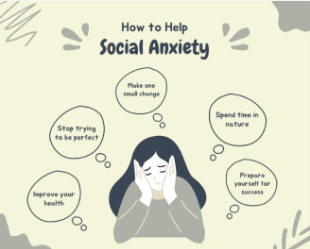
Many seniors first experience anxiety before depression sets in. Early identification and calming practices can prevent anxiety from spiraling into major depression. Common anxiety triggers include:
- Fear of falling
- Worrying about health, finances, or being alone
- Obsessive thoughts about memory decline
- Stress caused by chronic diseases
- Over time, constant anxiety exhausts emotional reserves and leads to: Sleep disturbances, Irritability and restlessness, Loss of motivation, Withdrawal from daily activities etc. As the ability to cope decreases, anxiety gradually transforms into low mood, hopelessness, and finally depression.
How to Identify Depression in Seniors
1. Retarded Depression
- Slowed movements
- Loss of energy
- Social withdrawal
- Disinterest in hobbies or self-care.
2. Agitated or Anxious Depression
- Restlessness, worry
- Irritability or panic
- Difficulty relaxing
- Sleep fragmentation
3. Somatic Depression
Physical symptoms without medical explanation, Frequent doctor visits, Headache, stomach upset, body aches
4. Depression Linked to Medical Illness
- Seen after stroke, heart attack, cancer treatment
- Emotional fluctuations during long recoveries
General Warning Signs
Depression in seniors is often hard to spot because it appears as fatigue, irritability, physical aches, or loss of interest rather than obvious sadness. Subtle changes in sleep, appetite, memory, or social engagement - especially after major medical events - are early warning signs families should never ignore.
- Fatigue
- Sleep and appetite changes
- Persistent sadness or blankness
- Memory slip-ups
- Crying spells
- Withdrawal from interactions
- Neglecting hygiene or medications
Functional benefit : Spotting signs early improves treatment response and reduces caregiver stress dramatically.
How Families and Caregivers Can Help
1. Encourage Open, Gentle Conversations
Do not dismiss feelings as “age-related.” Seniors often need validation and reassurance.
2. Promote Social Interaction
Regular calls, outings, or group sessions help break loneliness.
3. Monitor Sleep, Appetite, and Routine
Small changes often indicate deeper emotional shifts.
4. Ensure Physical Activity
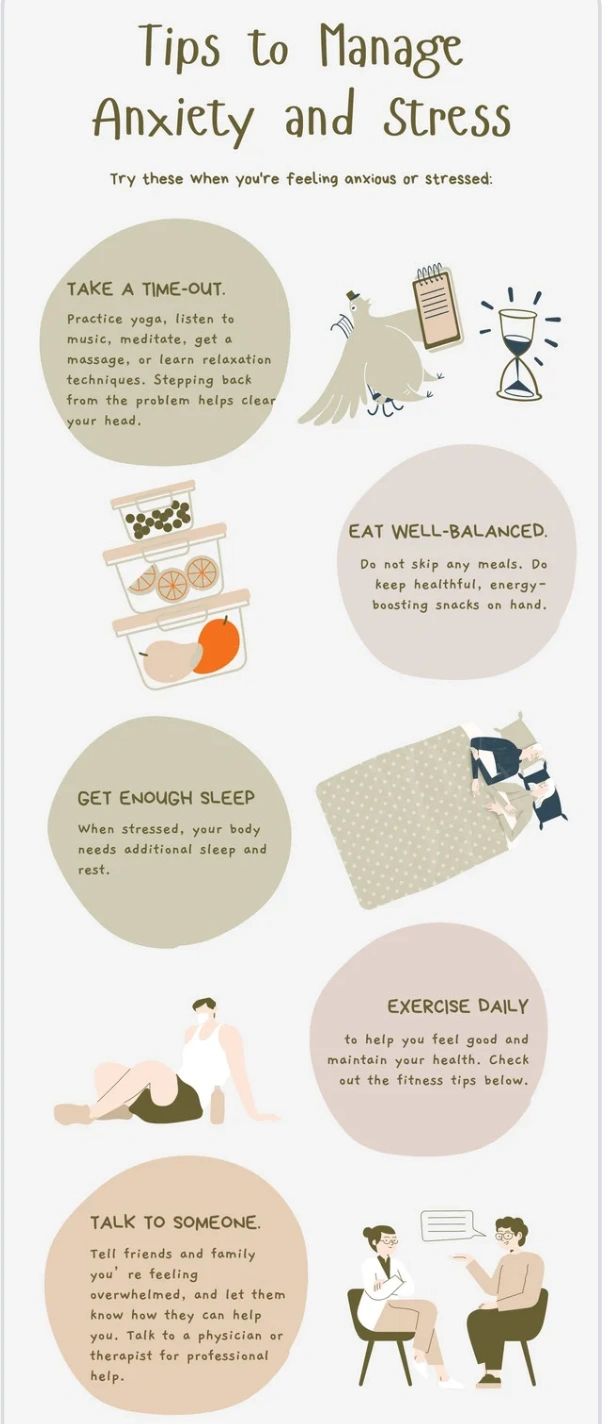
Walking, chair yoga, or stretching boosts endorphins and relieves anxiety.
5. Help Create a Purposeful Daily Routine
A structured day reduces helplessness and brings meaning.
Treatment Options for Senior Depression
The good news is that senior depression improves greatly with early support — open conversations, simple routines, sunlight, and social connection make a powerful difference. With professional care and gentle physical activity, seniors can quickly regain clarity, confidence, and emotional balance.
- Medical Evaluation
- Psychotherapy
- Cognitive Behavioral Therapy (CBT)
- Supportive counseling
- Reminiscence therapy
- Medications
- Lifestyle & Social Interventions
The Goal is to Improve function, mood, memory, and daily quality of life - not just treat symptoms.
This is where Healthy Wrinkles plays a meaningful role. The True Value Health Plan provides a supportive ecosystem that blends emotional engagement, community connection, and expert guidance. Seniors can participate in calming yoga sessions, music therapy circles, storytelling groups, and hobby-based interactions that bring joy, companionship, and structure back into their lives. Interactive wellness sessions teach stress reduction and breathing practices, helping them regulate anxiety before it escalates. Vlogs explain mental health in simple language, empowering families to understand what their loved ones are experiencing and how they can help.
Most importantly, Healthy Wrinkles creates a warm community space where seniors feel heard, valued, and connected - countering loneliness, one of the strongest triggers of depression. Through consistent engagement, emotional nourishment, and senior-friendly guidance, the platform helps older adults rediscover purpose, resilience, and joy in everyday living.
Alongside emotional care, Healthy Wrinkles provides essential home-care services including 24×7 emergency coordination, trained Caretakers and Nurses , Physiotherapists, Equipment, medicines and pathlab support. Together, these services create a reliable ecosystem that restores confidence, independence, and joy - ensuring every senior feels safe, supported, and truly cared for.
Depression in the elderly deserves empathy, not dismissal. With awareness, early support, and structured engagement, seniors can continue to live fulfilling, dignified, and emotionally healthy lives and Healthy Wrinkles is committed to supporting every step of that journey.