



























Old Age Homes in India: Benefits, Drawbacks, and Choosing the Right Facility
01-10-24
Old age homes in India are becoming increasingly popular as the population ages and families find themselves unable to care for elderly relatives. With a growing number of elderly people in India, the demand for good quality care facilities has increased in recent years. In this article, we will explore the world of old age homes in India, discussing their benefits, drawbacks, and what to look for when choosing a facility for your loved one.
Understanding Old Age Homes in India
Old age homes, also known as assisted living facilities, are residential communities designed specifically for senior citizens. Unlike nursing homes, which focus on medical care, old age homes emphasize independent living with support services available as needed. For families exploring elderly homes in Mumbai, these facilities provide a safe, supportive, and comfortable environment for ageing loved ones.
The Rising Trend
In major metros like Mumbai, Bangalore, Pune, and Delhi, the demand for quality old age homes continues to surge. This growth reflects both demographic shifts and changing family structures in Indian society. Urban professionals working away from their hometowns often seek reliable senior care solutions, making these facilities increasingly important. The rise of luxury old age homes in Mumbai further highlights how senior living is evolving to include premium amenities, enhanced comfort, and a higher standard of care.
Key Benefits of Old Age Homes
Old age homes offer numerous advantages for senior citizens and their families:
1. Safety and Security
Protected environment with 24/7 supervision to prevent accidents, falls, and exploitation
Trained staff available for emergency response and medical assistance
Secure facilities with restricted access to minimize risks
2. Professional Medical Care
Access to trained medical professionals including geriatricians and specialized nurses
Regular health monitoring and medication management
Rehabilitation and physiotherapy services tailored to individual needs
3. Social Connection and Community
Combat loneliness and depression through meaningful social interactions with peers
Regular activities, outings, and events that keep seniors engaged and active
Opportunities for friendship, hobbies, and community involvement
4. Nutritional Support
Nutritionist-planned meals tailored to individual health conditions
Special diet accommodation for diabetes, heart conditions, and dietary restrictions
Regular meals and hydration monitoring
5. Reduced Caregiver Burden
Family members can maintain healthy relationships with their elderly loved ones while reducing the physical and emotional stress of full-time caregiving. This is particularly important for NRI families seeking reliable parent care solutions.
Types of Senior Living Facilities Available in India
Understanding the different types of facilities helps you find the right fit for your loved ones:
1. Assisted Living Homes
These facilities cater to independent seniors who need help with daily activities like bathing, dressing, or medication management. They balance autonomy with necessary support.
2. Premium Assisted Living
Upscale facilities offering luxury amenities, personalized services, fine dining, recreational facilities, and premium medical care for affluent seniors.
3. Dementia and Memory Care Homes
Specialized facilities for seniors with Alzheimer's disease, dementia, or other cognitive conditions, with trained staff and secure environments.
4. Retirement Homes
Community-based residences for active, independent retirees seeking a vibrant lifestyle with social engagement and optional support services.
5. Day Care Centers and Senior Clubs
Part-time programs for seniors living at home who need socialization, activities, and supervision during the day while their families work.
6. Nursing Facilities
Specialized medical facilities for seniors requiring intensive nursing care, post-hospitalization rehabilitation, or terminal care services.
Comprehensive Selection Criteria for Choosing the Right Facility
Selecting an old age home requires careful evaluation of multiple factors:
Quality of Care Standards
Accreditation status and regulatory compliance
Resident reviews and testimonials from families
Staff qualifications and training certifications
Medical Services
On-site availability of geriatricians and specialists
24/7 nursing support and emergency medical protocols
Rehabilitation and physiotherapy services available
Staff-to-Resident Ratio
A low staff-to-resident ratio (ideally 1:4 or better) ensures personalized attention and quicker response times. This is crucial for ensuring adequate care and attention to each resident's individual needs.
Facility Infrastructure
Accessibility for seniors with mobility challenges (ramps, grab bars, elevators)
Well-maintained rooms with adequate lighting, ventilation, and temperature control
Recreational facilities, gardens, and common areas for socialization
Location and Accessibility
Proximity to family members for regular visits
Access to medical centers, hospitals, and emergency services
Easy connectivity to public transportation
Activities and Social Engagement
Regular activities, hobby clubs, cultural programs, and outings keep seniors mentally stimulated and socially engaged. This is essential for maintaining psychological well-being.
Cost and Financial Transparency
Clear breakdown of all charges (accommodation, food, medical, activities)
No hidden fees or unexpected charges
Flexible payment plans and refund policies
Nutrition and Dietary Care
Meals should be planned by qualified nutritionists, accommodate special dietary needs, and offer variety. For seniors with specific health conditions like diabetes or heart disease, proper nutrition is critical.
Security and Safety Measures
CCTV surveillance and secure entry/exit points
Fire safety systems and emergency evacuation plans
Personal emergency alert systems for residents
Searching for old age homes near me?
We at healthywrinkles have a handpicked list of 100’s old age home options to choose from.
Benefits of Old Age Homes in India
Old age homes provide a range of benefits to the elderly population in India. One of the primary advantages of such facilities is that they provide a safe and secure environment for senior citizens who may otherwise be vulnerable to abuse, neglect, or exploitation. Many old age homes in India also offer medical care and rehabilitation services, as well as social and recreational activities to help residents stay active and engaged. Check out this list of old age homes Bangalore.
Another significant advantage of old age homes is the sense of community and companionship they offer. Elderly people who live alone or are isolated from their families can suffer from loneliness and depression, and old age homes provide them with a supportive community of like-minded individuals.
Drawbacks of Old Age Homes in India
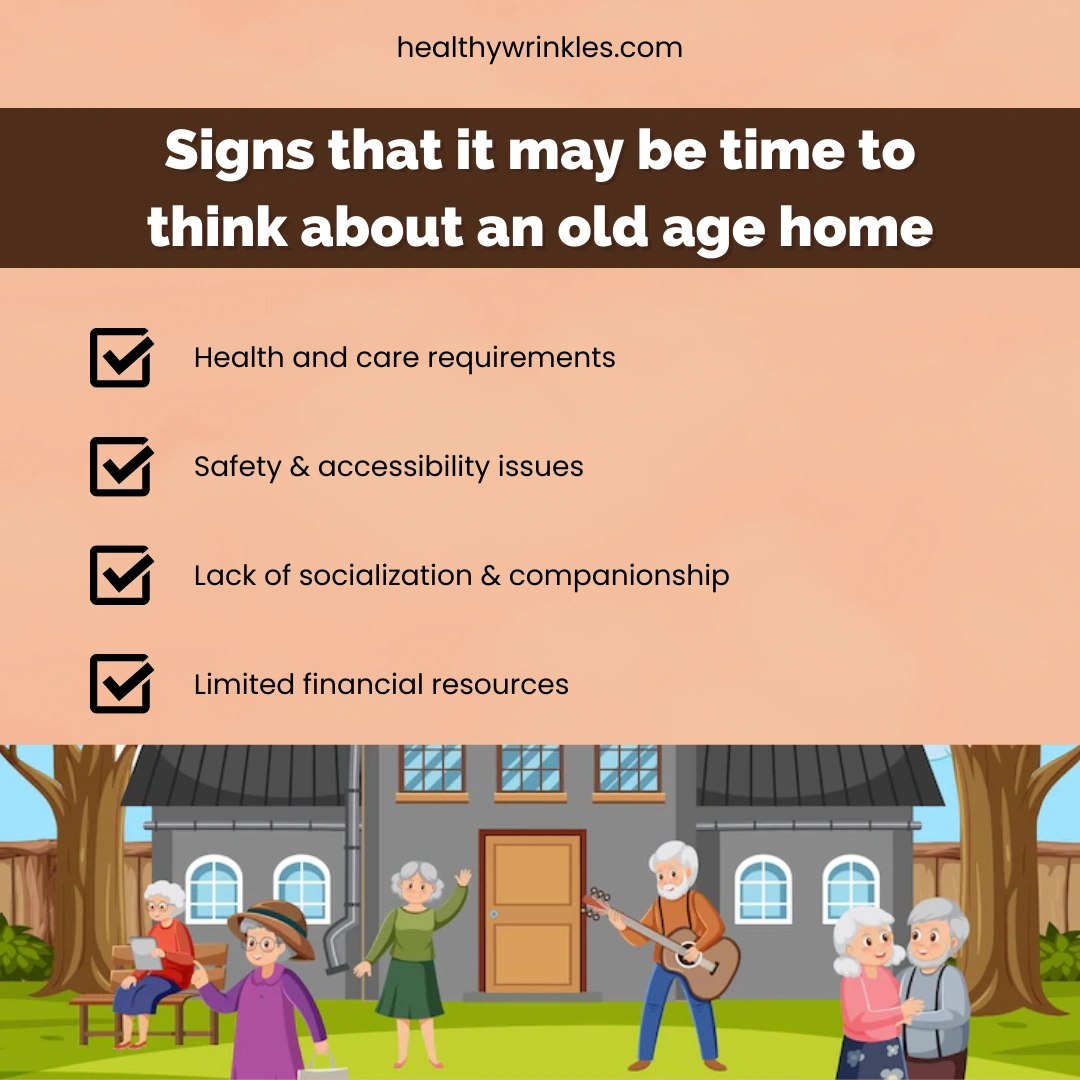
While old age homes in India offer many benefits, they also have some drawbacks. One of the main concerns is the quality of care provided. Some facilities may be understaffed or lack the resources to provide adequate care to their residents. Additionally, many elderly people may feel a sense of loss or abandonment when leaving their homes and families behind to move into an old age home.
What to Look for When Choosing an Old Age Home in India ?
When selecting an old age home in India, there are several factors to consider. First, check the quality of care provided by the facility. Look for accreditation, reviews, and testimonials from residents and their families. Also, consider the range of services offered, including medical care, rehabilitation, social and recreational activities, and meal plans. Watch this video on care for seniors from our experts.
Another crucial factor to consider is the staff-to-resident ratio. Ideally, the facility should have enough staff members to provide personalized care to each resident. It's also essential to consider the location, accessibility, and security of the old age home.
In conclusion, old age homes in India provide a safe and supportive environment for senior citizens who may need additional care and assistance. While there are some drawbacks to consider, the benefits of old age homes far outweigh the negatives. If you are considering an old age home for yourself or a loved one, be sure to do your research and choose a facility that provides high-quality care and a supportive community for its residents.
Frequently Asked Questions (FAQs)
Q1: At what age should seniors consider moving to an old age home?
There's no specific age requirement. The decision depends on individual health status, mobility, cognitive ability, and living situation. Some seniors move as early as 65, while others remain at home until 85 or beyond. Factors to consider include difficulty with daily activities (bathing, cooking, cleaning), mobility challenges, social isolation, or the inability of family members to provide necessary care.
Q2: Can seniors maintain independence in old age homes?
Yes, most quality facilities, especially assisted living homes, are designed to promote independence while providing support. Seniors can choose their meals, manage their daily schedules, pursue hobbies, and make personal decisions. The level of independence depends on the facility type and the individual's abilities.
Q3: What should I look for when visiting a potential facility?
Pay attention to cleanliness, maintenance, staff behavior toward residents, lighting, ventilation, and the overall atmosphere. Speak with current residents and their families. Check medical facilities, observe meal quality, and verify staff credentials. Ask about emergency protocols and visit at different times to get a complete picture.
Q4: How can we help seniors adjust to a new old age home?
Make the transition gradual with frequent family visits initially. Bring familiar items, photos, and personal belongings. Encourage participation in activities and help them build friendships. Be patient adjustment can take 2-3 months. Maintain regular contact and be open to their concerns. Consider professional counseling if they struggle with depression or anxiety.
Q5: What are the differences between old age homes and in-home care?
Old age homes provide 24/7 professional care, social engagement, and medical facilities in a community setting. In-home care offers personalized service in a familiar environment but may be more expensive and limited in medical capabilities. The choice depends on independence level, mobility, financial resources, and preference for community versus home environment.
Q6: What medical services are typically available in old age homes?
Most facilities offer daily health monitoring, medication management, wound care, physiotherapy, and doctor consultations. Many have partnerships with nearby hospitals for emergency services. Some premium facilities have on-site medical clinics with geriatricians. Always verify available medical services during your research.
Q7: What should I ask about staff credentials and training?
Inquire about nursing qualifications (RN, LPN), caregiver training certifications, CPR/First Aid certifications, and continuing education. Ask about staff-to-resident ratios, turnover rates, and training programs. Well-trained staff is essential for quality care and emergency response.
Q8: What emergency protocols should be in place?
Facilities should have 24/7 emergency response teams, immediate hospital transfer arrangements, fire safety systems, and regular emergency drills. Ask about incident reporting procedures and how families are notified in emergencies. Personal emergency alert systems are important additional safety measures.