









The Pros and Cons of Living in an Old Age Home
Deciding whether an old age home is the right choice for your loved ones can be challenging. While these facilities offer various benefits, they also come up with certain limitations. In this blog, we’ll look at the pros and cons of living at an old age home to help you make an informed decision about your elderly loved ones' care.
What is an Old Age Home?
An old age home is a facility designed to provide elderly individuals with accommodation, support, and care. These homes offer different levels of assistance, from basic help with daily tasks to comprehensive medical care, depending on the needs of the residents.
The Pros of Living in an Old Age Home
For many seniors, old age homes offer a range of benefits that can improve their quality of life. Below are some of the main advantages:
1. Professional Care and Medical Assistance
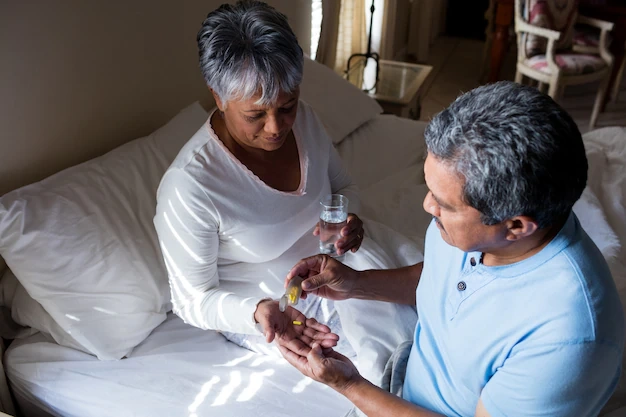
One of the biggest advantages of living in an old age home is access to trained medical professionals and 24/7 care. Many old age homes have healthcare staff on-site to manage health conditions, administer medication, and provide emergency medical services if needed.
2. Socialization and Community
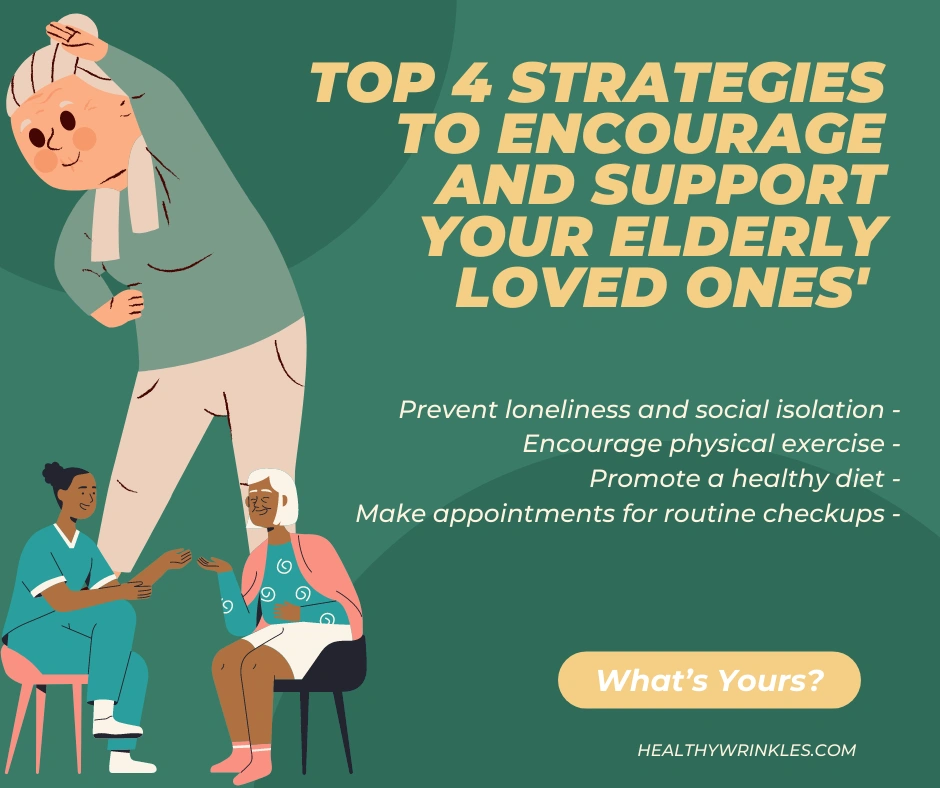
Isolation is a common concern for elderly people living alone. In old age homes, seniors can engage in social activities, make new friends, and share experiences. Many facilities offer recreational activities like group outings, games, and hobby classes to help residents stay active and mentally engaged.
3. Safety and Security
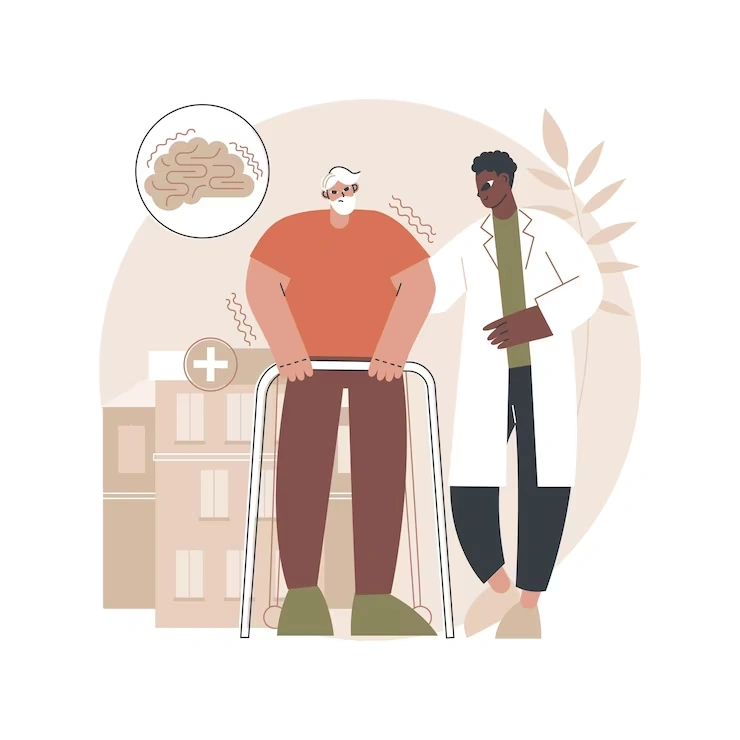
Old age homes are equipped with security systems, medical alert systems, and staff monitoring to ensure the safety of the residents. This is especially important for those with mobility issues or medical conditions that require constant attention.
4. Comfort and Convenience
Elderly homes in Mumbai are designed to be comfortable and easy to navigate. With specially designed spaces to accommodate those with limited mobility, these facilities provide a supportive and comfortable environment. Residents can enjoy meals, housekeeping, and other services without the stress of managing these tasks themselves.
The Cons of Living in an Old Age Home
While old age homes offer many benefits, they also have some drawbacks that should be carefully considered:
1. Lack of Personal Freedom
For some seniors, moving into an old age home can feel restrictive. They may miss the freedom of living independently and making their own decisions. Although these homes provide care and safety, they can also reduce the level of autonomy some people are used to.
2. Adjustment Challenges
For seniors who are used to living at home, adjusting to life in an old age home can be difficult. The change in environment, routine, and social circles may cause emotional distress or feelings of loneliness. It’s important to involve your loved one in the decision-making process to make the transition smoother.
3. Limited Family Interaction
While most old age homes encourage family visits, the frequency of visits may not be as high as when seniors live at home with family. For some, this lack of regular family interaction can lead to feelings of isolation and sadness.
4. Cost of Living
The cost of staying in an old age home can be a significant concern for many families. Prices vary depending on the location, services, and level of care needed. Some facilities may charge high monthly fees, which could be a financial burden for families, especially if the elderly person does not have sufficient savings.
Factors to Consider Before Deciding
Before deciding whether an old age home is the best choice for your loved one, here are some factors to consider:
1. Level of Care Needed
- Does your loved one require full-time medical care, or do they need minimal assistance with daily tasks? This will determine whether an old age home with specialized services is necessary.
2. Emotional Impact
- It’s important to consider how your loved one will feel about moving into a facility. Will they enjoy the company of others, or will they struggle with the loss of independence? Having a conversation with your loved one can help you understand their preferences.
3. Financial Considerations
- Assess your budget and determine if you can afford the monthly fees and additional costs. Explore financial assistance programs that might help cover the costs of care.
FAQs on Living in an Old Age Home
1. What are the primary benefits of an old age home?
The main benefits include professional medical care, a safe and secure environment, opportunities for social interaction, and assistance with daily activities.
2. How much does it cost to live in an old-age home?
The cost varies based on the location, type of care needed, and amenities provided. It’s important to research different facilities and understand their pricing structure before making a decision.
3. Can I visit my loved one in an old age home?
Most old age homes have visiting hours, and many also allow family members to visit outside these hours by appointment. Be sure to check the visiting policy of the facility you choose.
4. How do I choose the right old age home for my loved one?
Consider factors such as the level of care needed, location, cost, reviews, and the services offered. Visiting the facility in person and talking to the staff can also give you a better understanding of the environment.
5. Can seniors live independently in an old age home?
Some old age homes offer independent living options where seniors can maintain their privacy and independence while having access to support when needed. If independence is important, look for a facility that offers this flexibility.
Conclusion: Making the Right Choice for Your Loved One
Choosing to move a loved one into an old age home is a significant decision that comes with both benefits and challenges. By understanding the pros and cons, considering your loved one’s needs, and researching options carefully, you can ensure they receive the best care possible. Remember to involve your loved one in the decision-making process and choose a facility that makes them feel safe, comfortable, and cared for.