
Post-Stroke Care: The Importance of Rehabilitation and Home Care for Seniors
25-06-24
Post-stroke care is a critical aspect of recovery for seniors who have experienced a stroke. The process of rehabilitation and home care are two essential components that work together to provide patients with the best possible outcome.
Rehabilitation aims to restore the function and mobility of the affected body part, while home care provides a comfortable and safe environment for seniors to recover.
Rehabilitation plays a significant role in post-stroke care by helping seniors regain their strength, flexibility, and coordination. Depending on the severity of the stroke and the specific needs of the patient, rehabilitation can include physical, occupational, and speech therapy. Physical therapy helps seniors regain their mobility by teaching them exercises and stretches that rebuild muscle strength and coordination. Occupational therapy provides seniors with new ways to perform activities of daily living, such as dressing, eating, and bathing. Speech therapy helps seniors regain their ability to speak and communicate effectively.
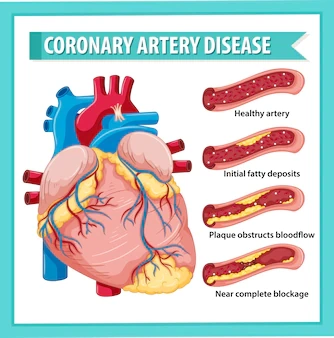
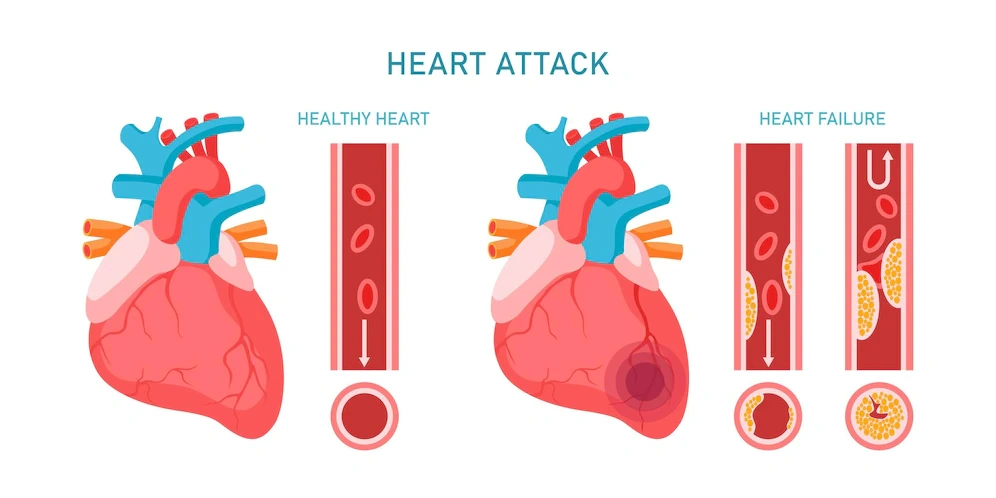
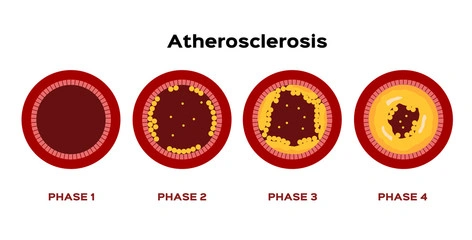
Home care is equally important in post-stroke care as it provides a comfortable and safe environment for seniors to recover. Home care can include assistance with daily tasks such as meal preparation, medication management, and housekeeping. Emotional support is also crucial for seniors during recovery, and home care can provide this type of care as well. Seniors who receive home care are more likely to recover faster and have a better quality of life than those who do not receive it. Know more about heart related problems from our experts.
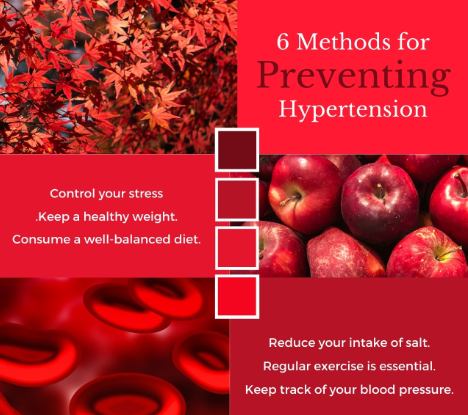
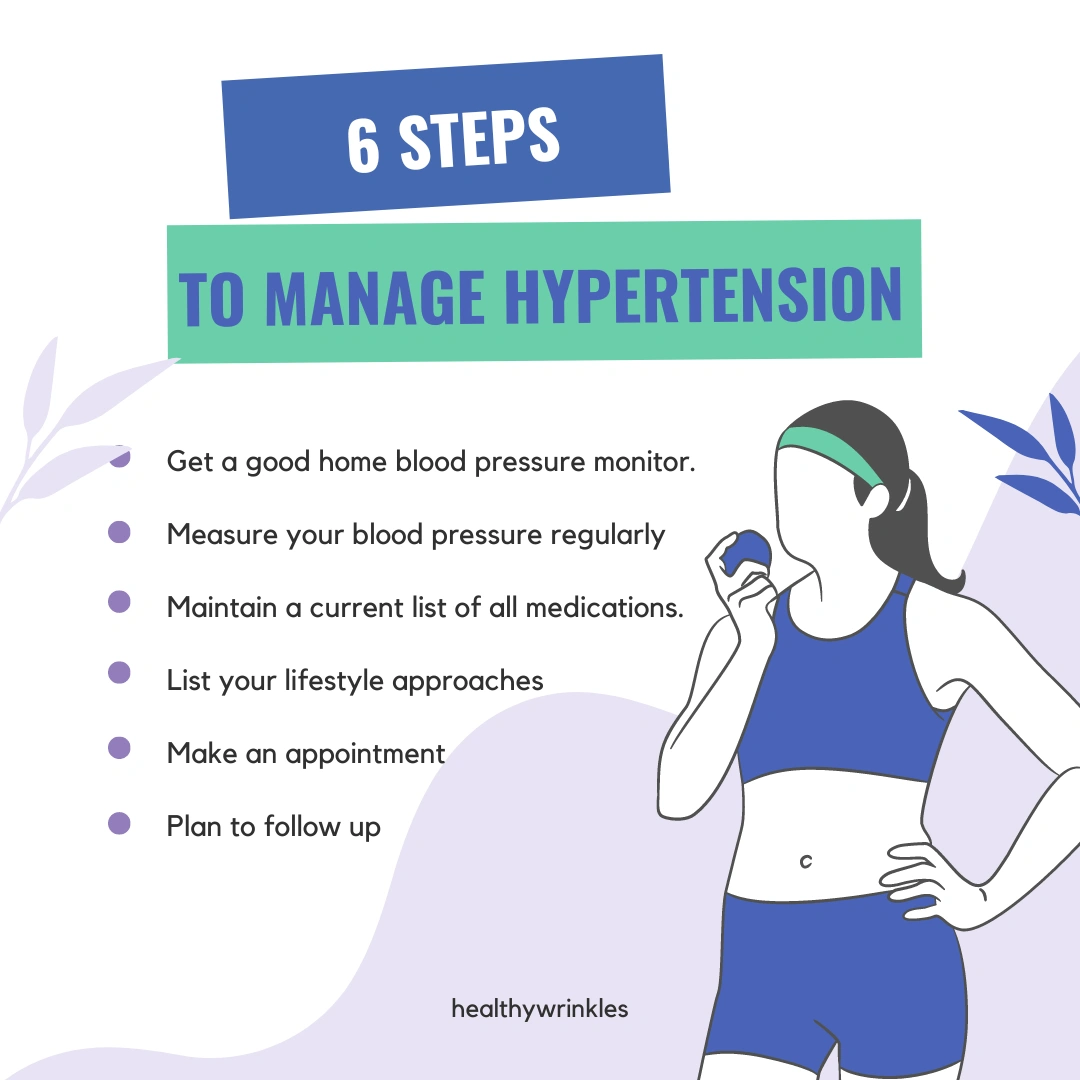
In addition to rehabilitation and home care, monitoring and managing the health of seniors is also an essential part of post-stroke care. This includes regular check-ups with healthcare providers, medication management, and monitoring vital signs. Seniors who have experienced a stroke are more susceptible to other health conditions, such as hypertension and diabetes, so it is crucial to monitor their health to prevent further complications.
Post-stroke care is crucial for seniors as it can help them recover and regain their independence. The combination of rehabilitation, home care, and health monitoring provides a comprehensive approach to recovery. Seniors who receive post-stroke care are more likely to recover faster and have a better quality of life compared to those who do not receive post-stroke care. It is essential to have a specialized healthcare team that works together to provide the necessary care for seniors during their recovery from a stroke.
The Importance of Regular Health Checkups After a Stroke
Regular health checkups are an essential part of post-stroke recovery and long-term wellness. Routine medical evaluations help doctors monitor blood pressure, blood sugar, cholesterol levels, heart health, and neurological function, reducing the risk of another stroke or other serious complications. Timely health screenings also allow healthcare providers to adjust medications, identify warning signs early, and recommend lifestyle changes that support continued recovery. When combined with rehabilitation and home care, regular health checkups provide a proactive approach to improving overall health and maintaining a better quality of life for seniors.
What Does Post-Stroke Care at Home Look Like?
Post stroke care at home for seniors typically combines medical monitoring, physical support, and emotional reassurance in familiar surroundings. After-stroke care at home usually includes help with mobility, medication schedules, nutrition, and light exercises recommended by a physiotherapist. Many families prefer after stroke care at home for seniors because it allows recovery to happen in a comfortable, low-stress environment while still receiving professional support through visiting doctors, nurses, or trained caregivers.
A typical home care routine after a stroke may involve:
Assistance with daily activities like bathing, dressing, and eating
Supervised physiotherapy or speech therapy sessions at home
Medication reminders and management
Monitoring vital signs and reporting changes to the doctor
Emotional support to manage frustration, anxiety, or low mood during recovery
Elderly Home Care for Stroke Patients: Why the Right Caregiver Matters
Elderly home care for stroke patients goes beyond basic assistance — it requires patience, some training in mobility support, and the ability to recognize warning signs of complications. Families looking for an elderly home caregiver for a stroke patient should look for experience with post-stroke routines, comfort with physiotherapy exercises, and clear communication with the family and doctors.
Healthy Wrinkles can help connect families with trained home caregivers experienced in elderly stroke recovery support — reach out to us for recommendations suited to your loved one's specific needs.
Understanding Elderly Stroke Recovery Timelines
Elderly stroke recovery is different for every individual and depends on factors like the severity of the stroke, overall health, and how quickly rehabilitation begins. Recovery often happens gradually, in stages:
Early recovery: Focus on stabilizing health and starting basic movement or speech exercises
Active rehabilitation: Structured physiotherapy, occupational therapy, and speech therapy to rebuild function
Long-term recovery: Continued home-based exercises, lifestyle adjustments, and regular health monitoring to prevent another stroke
Since recovery timelines vary widely, it's best to consult your doctor or a rehabilitation specialist for a realistic outlook based on the individual's condition.
Stroke Care Home vs Home-Based Rehabilitation: Which Is Right?
Some families consider a dedicated stroke care home or rehabilitation facility instead of managing care entirely at home — especially in the early, more intensive stages of recovery. A stroke care home typically offers structured physiotherapy schedules, round-the-clock nursing support, and a team of specialists in one place, which can be helpful for patients needing more intensive rehabilitation.
Home-based care, on the other hand, offers comfort and familiarity, which can be equally valuable for emotional wellbeing. The right choice often depends on the severity of the stroke, the level of medical supervision required, and what the family can manage at home. Speaking with a doctor or care consultant can help determine the best fit.
In conclusion, post-stroke care is essential for seniors to recover and regain their independence. Rehabilitation, home care, and health monitoring are the key components of this type of care. Seniors who receive post-stroke care have a better chance of recovering quickly and maintaining a high quality of life. Healthcare providers should work together to provide comprehensive post-stroke care for seniors. Whether you are searching for informative articles or looking for qualified caregivers or healthcare providers, Healthywrinkles is an excellent resource for all your senior care needs.
"Join the cause and make a difference in a senior's life - share your knowledge about local senior care resources today!"
Disclaimer: Healthy Wrinkles does not recommend or offer any medical diagnosis, treatment, or advice. The information provided here is only for the awareness of disease or ailment among individuals, caregivers, and the public. The advice of doctors, licensed professionals, or therapists who are knowledgeable about your particular situation should always be sought before using the information provided here. It should also not be used in the event of a medical emergency or for the diagnosis or treatment of any medical condition. If you want urgent assistance, contact a qualified medical professional. Additionally, the information represents the author's views and not those of Healthy Wrinkles.
FAQs
1. What is included in post-stroke care at home?
Post-stroke care at home typically includes help with daily activities, medication management, physiotherapy exercises, monitoring of vital signs, and emotional support — tailored to the patient's specific recovery needs.
2. How long does elderly stroke recovery usually take?
Recovery time varies significantly from person to person, depending on the severity of the stroke and overall health. It's best to consult a doctor or rehabilitation specialist for guidance specific to your loved one.
3. Is home care or a stroke care home better after a stroke?
Both have their advantages — home care offers comfort and familiarity, while a stroke care home offers more structured, intensive rehabilitation support. The right choice depends on the patient's condition and care needs.
4. What should I look for in a caregiver for elderly stroke patients?
Look for experience with post-stroke care, comfort assisting with physiotherapy routines, patience, and good communication skills. Healthy Wrinkles can help connect you with suitably experienced caregivers.
5. Can seniors fully recover from a stroke with home care alone?
Many seniors do recover well with a combination of home care, physiotherapy, and regular medical monitoring, though outcomes vary. Speak with a healthcare provider to understand what's realistic for your loved one's specific situation.
6. How do I arrange rehabilitation support for a stroke patient at home?
You can arrange for visiting physiotherapists, occupational therapists, or trained caregivers through platforms like Healthy Wrinkles, who can guide you based on your loved one's specific rehabilitation needs.