






Caretaker vs. Caregiver What’s the Difference
18-12-25
This blog clarifies the distinct roles of support staff to help families choose the right level of assistance for their loved ones.
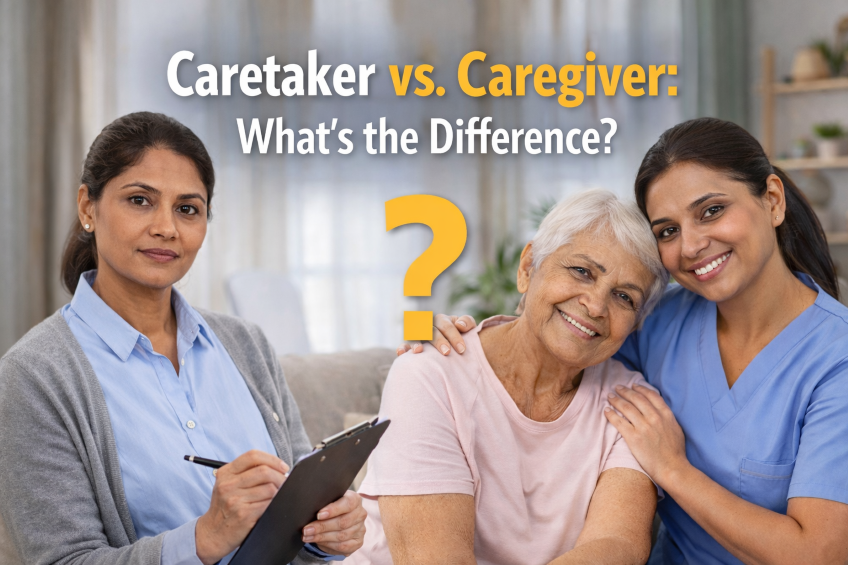
Navigating the landscape of senior support can be overwhelming, especially when confronted with industry terminology that often overlaps. Families usually use the terms "caretaker" and "caregiver" interchangeably, assuming that they describe the same set of responsibilities. However, in the elderly care services in Mumbai, the professional world, the titles represent very different levels of engagement and expertise. Misunderstanding this difference, however, can result in the wrong professional being employed, with potential consequences for the safety or comfort of a senior loved one.
Choosing the right support system starts with defining clear needs. Is someone needed to watch over the property and provide basic companionship, or does the senior require medical monitoring and help with daily hygiene tasks? Recognising the specific demands of the situation ensures you get the right service, whether it is a simple caretaker in Mumbai or a specialized medical attendant service.
Defining the caretaker role
A caretaker is primarily concerned with the environment and general supervision, not with direct personal or medical care. Their role is often custodial. When you hire caretaker services in Mumbai, you are usually employing someone to help the home run smoothly and keep the elderly person safe from external threats. They may do the grocery shopping, light housekeeping, and check doors to be sure they are locked at night.
While they do provide a presence that helps alleviate feelings of isolation, they are not trained to manage medical emergencies or complex personal grooming needs. This option is best for independent seniors who just need a helping hand with logistics.
Understanding the Caretaker Role
A caretaker is primarily responsible for maintaining the environment and ensuring general supervision of the property and the person. The term “caretaking” focuses on environmental care rather than personal or medical care. When families opt for caretaker services in Mumbai, it usually means hiring someone to keep the household running smoothly while ensuring seniors stay safe from external risks.
Core Responsibilities of a Caretaker
-
Household Management: Light housekeeping, laundry, organizing rooms
-
Errand Running: Grocery shopping, bill payments, banking tasks
-
Basic Supervision: Being present to provide companionship and ensure safety
-
Property Security: Checking doors and windows, monitoring premises at night
-
Communication: Keeping family members informed about the senior's well-being
-
Basic Meal Preparation: Preparing simple meals and ensuring regular eating habits
Qualifications and Training
Caretakers typically require minimal formal training. Most need basic security knowledge, house management skills, and the ability to respond calmly in emergencies. While not mandated, basic first aid certification and CPR training are valuable additions. The primary qualification is reliability, trustworthiness, and the ability to provide dependable companionship. Many caretakers learn on the job under family supervision.
Who Needs a Caretaker?
-
Healthy, independent seniors who can manage personal hygiene independently
-
Seniors living alone who need companionship and general supervision
-
Those needing help with household tasks and errands but not personal care
-
Seniors managing multiple properties who need someone to maintain them
Understanding the Caregiver Role
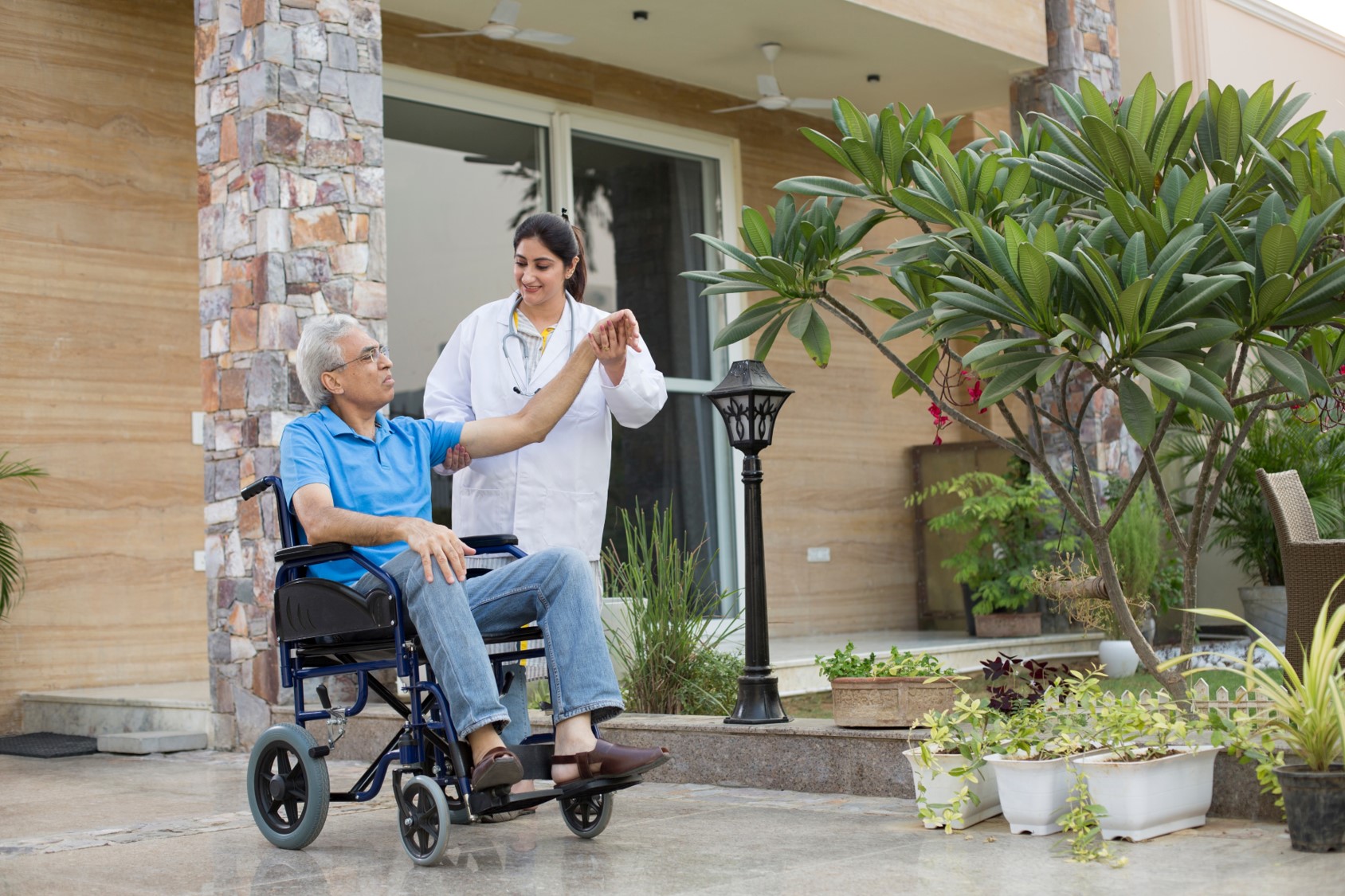
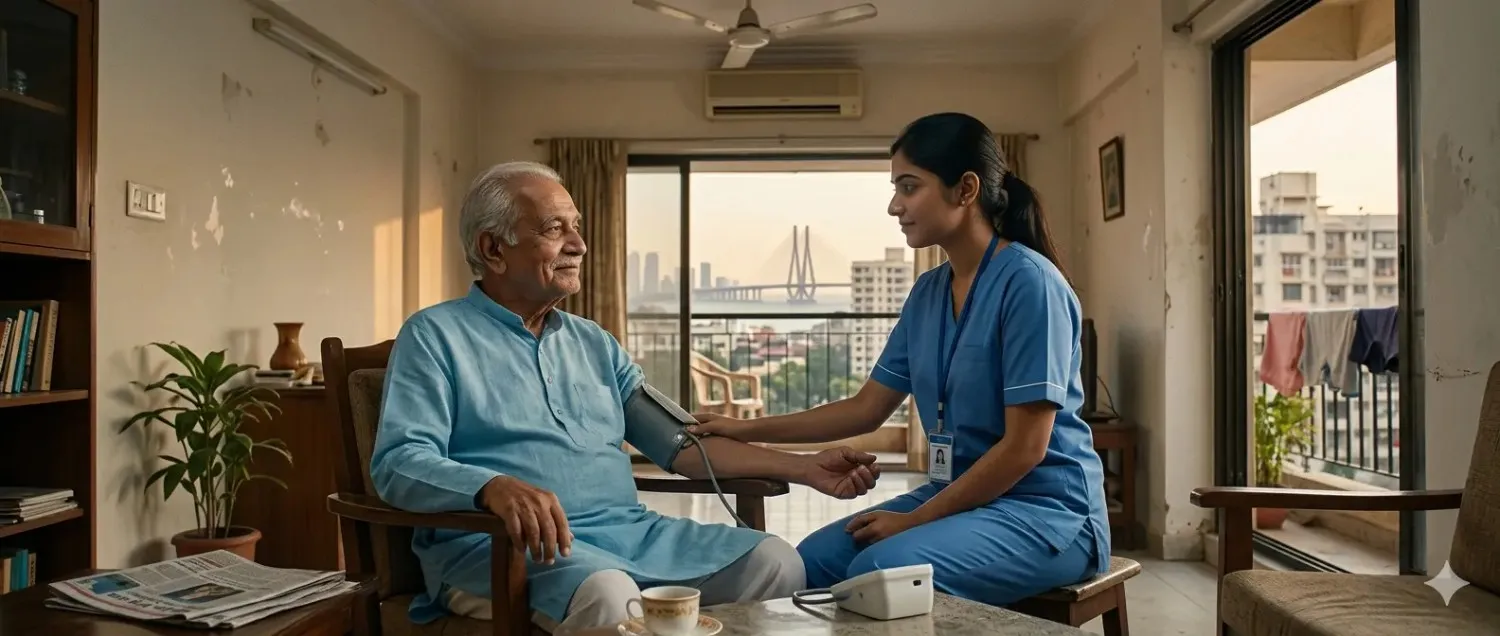
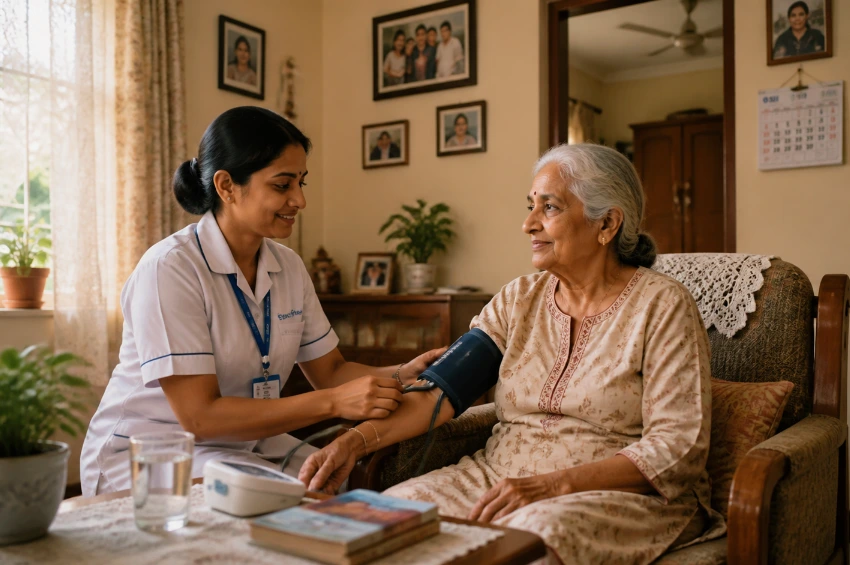
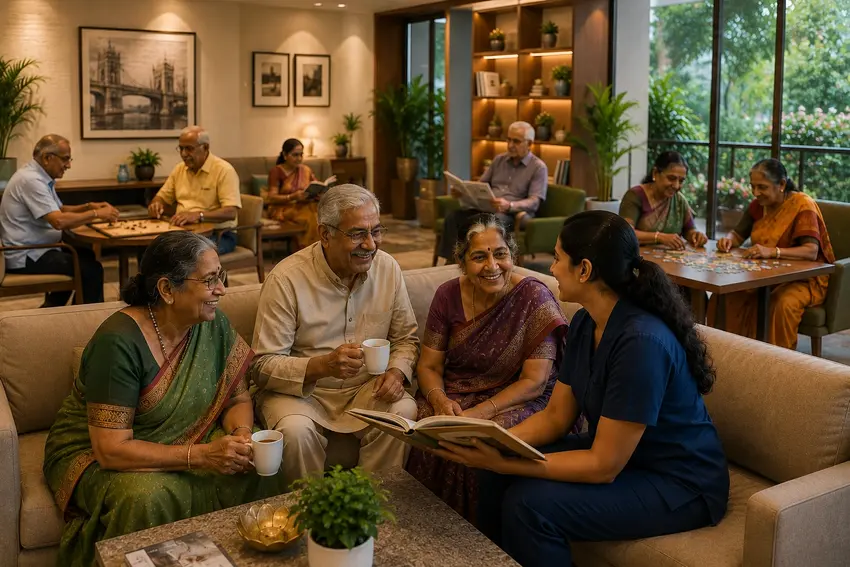
A caregiver is fundamentally person-focused, not environment-focused. They provide direct assistance with activities of daily living (ADLs) and often involve physical contact, intimate care, and health monitoring. Caregivers, typically sourced from professional nursing bureaus in India, develop meaningful relationships with seniors and are trained to recognize health changes and respond appropriately.
Core Responsibilities of a Caregiver
-
Personal Hygiene: Assisting with bathing, toileting, grooming with dignity and respect
-
Dressing and Grooming: Helping select appropriate clothes and maintaining personal appearance
-
Meal Management: Preparing nutritious meals and assisting with feeding if needed
-
Medication Management: Organizing and reminding about medications (higher-level caregivers may administer)
-
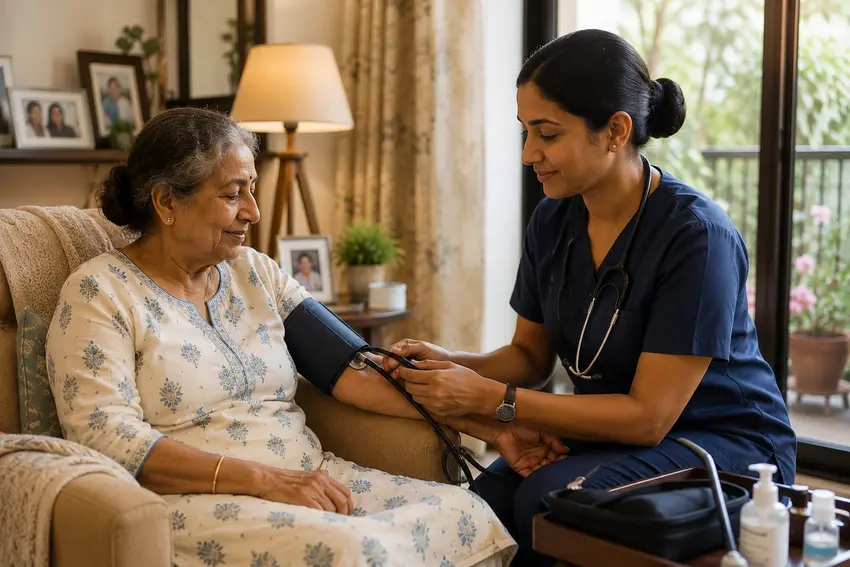
Health Monitoring: Tracking vital signs, reporting changes, notifying medical professionals
-
Mobility Assistance: Helping with walking, transfers, and preventing falls
-
Emotional and Psychological Support: Providing companionship to combat loneliness and depression
-
Activity Engagement: Encouraging participation in hobbies, outings, and social activities
Professional Qualifications
-
Nursing or caregiving certification from recognized institutions
-
CPR and First Aid certification
-
Background checks and verification of credentials
-
Ongoing training in elder care best practices
-
Specialized training in dementia care, physical rehabilitation, or specific conditions
Who Needs a Caregiver?
-
Seniors with mobility limitations or chronic conditions
-
Those recovering from surgery or serious illness
-
Seniors with cognitive decline, dementia, or Alzheimer's disease
-
Those needing help with personal hygiene and dressing
-
Individuals requiring medication management and health monitoring
Types of Caregivers Available in India
The caregiving profession encompasses several specialized roles, each with distinct training and expertise:
1. Companion Caregiver
Provides basic companionship and assistance with light activities. These caregivers help with errands, meal preparation, and provide emotional support. They're ideal for relatively independent seniors who need help with daily tasks and someone to engage with.
2. Home Health Aide / Personal Care Attendant
Trained professionals who assist with personal care activities including bathing, dressing, toileting, and grooming. They have basic training in elder care and may have certification from recognized caregiving institutions. They provide the personal care support that distinguishes caregivers from caretakers.
3. Licensed Practical Nurse (LPN)
These professionals hold nursing licenses and can administer medications, monitor vital signs, and manage certain medical procedures under supervision. They bridge the gap between personal caregiving and medical nursing care.
4. Registered Nurse (RN)
Highly trained medical professionals with extensive knowledge of healthcare. They can manage complex medical situations, coordinate care, and provide advanced health monitoring. Essential for seniors with serious health conditions.
5. Dementia Care Specialist
Specialized caregivers trained specifically in behavior management, communication techniques, and care for seniors with cognitive decline. They understand the unique challenges of dementia and have techniques to manage confusion, agitation, and wandering.
Complementary Medical Support Services
Caregivers often work alongside specialized medical professionals to ensure comprehensive care:
Physiotherapy and Rehabilitation
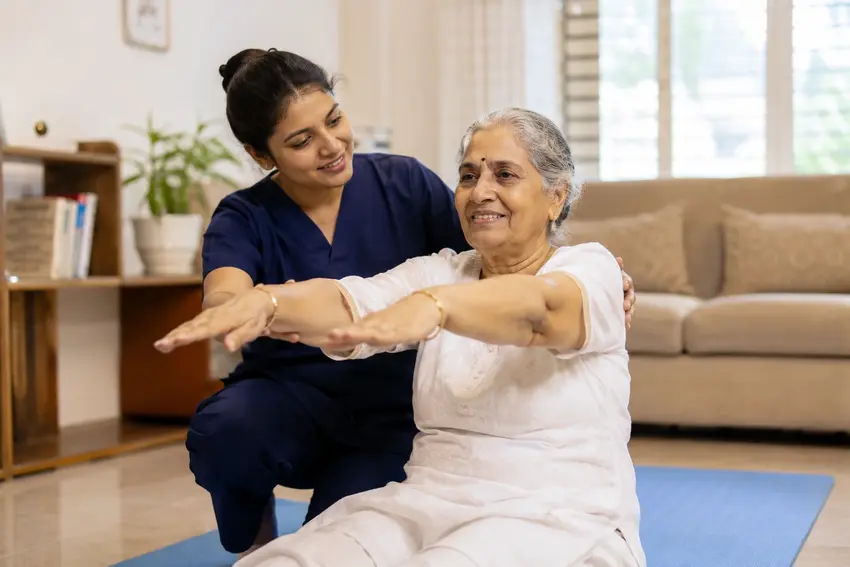
For seniors recovering from surgery, stroke, or with mobility limitations, physiotherapists design and supervise exercise programs. Caregivers ensure seniors complete prescribed exercises and maintain proper mobility between sessions. Home-based physiotherapy in Mumbai and other cities brings this specialized care directly to the senior.
Geriatrician Services
Doctors specializing in elderly care coordinate complex medical needs. They work with caregivers to manage multiple chronic conditions, prevent drug interactions, and provide age-appropriate care strategies.
Nursing Bureau Services
Professional nursing bureaus in Mumbai, Delhi, Bangalore, and other cities provide staffing solutions ranging from basic attendants to ICU-trained nurses. They offer flexibility in hiring, background verification, and professional oversight.
Dietary and Nutritional Support
Nutritionists create specialized meal plans for seniors with diabetes, heart conditions, or other dietary restrictions. Caregivers implement these plans, ensuring proper nutrition for health management.
Choosing the Right Care Professional for Your Loved One
Selecting between a caretaker and caregiver—or determining what level of care is needed—requires honest assessment of your senior's needs:
Step 1: Assess Physical Abilities
-
Can your senior bathe, dress, and use the toilet independently?
-
Are there mobility limitations or risk of falls?
-
Do they need assistance with medications or have complex medical conditions?
Step 2: Evaluate Cognitive Status
-
Are they mentally alert and able to make decisions?
-
Do they have memory issues, confusion, or cognitive decline?
-
Would they benefit from dementia care specialization?
Step 3: Consider Health Status
-
Do they have chronic diseases requiring ongoing management?
-
Are they recovering from recent surgery or illness?
-
Do they require medication management or medical monitoring?
Step 4: Assess Emotional Needs
-
Are they experiencing loneliness, depression, or anxiety?
-
Would regular companionship and engagement help their mental health?
-
Do they need someone to facilitate social activities and meaningful engagement?
Decision-Making Framework
A Caretaker may be sufficient if:
-
Senior is physically independent and mentally alert
-
Main needs are household help and companionship
-
No complex medical conditions requiring professional monitoring
A Caregiver is needed if:
-
Senior needs assistance with personal hygiene or dressing
-
They have chronic medical conditions or take multiple medications
-
Mobility limitations or fall risk present
-
Cognitive decline or behavioral changes that require specialized attention
Home Care vs. Facility Care: Making the Decision
Beyond choosing between caretaker and caregiver, families must decide where care should be provided:
Home Care Advantages
-
Familiar environment reduces anxiety and supports mental health
-
Personalized care tailored to individual preferences and routines
-
Flexibility in scheduling and care arrangements
-
Promotes independence and control over daily life
-
Can be cost-effective for moderate care needs
Facility Care Advantages
-
24/7 professional medical supervision available
-
Comprehensive support infrastructure for emergencies
-
Social engagement and activities with peer community
-
Specialized services like physiotherapy and dietary management on-site
-
Professional staff trained in elder care best practices
The caregiver distinction
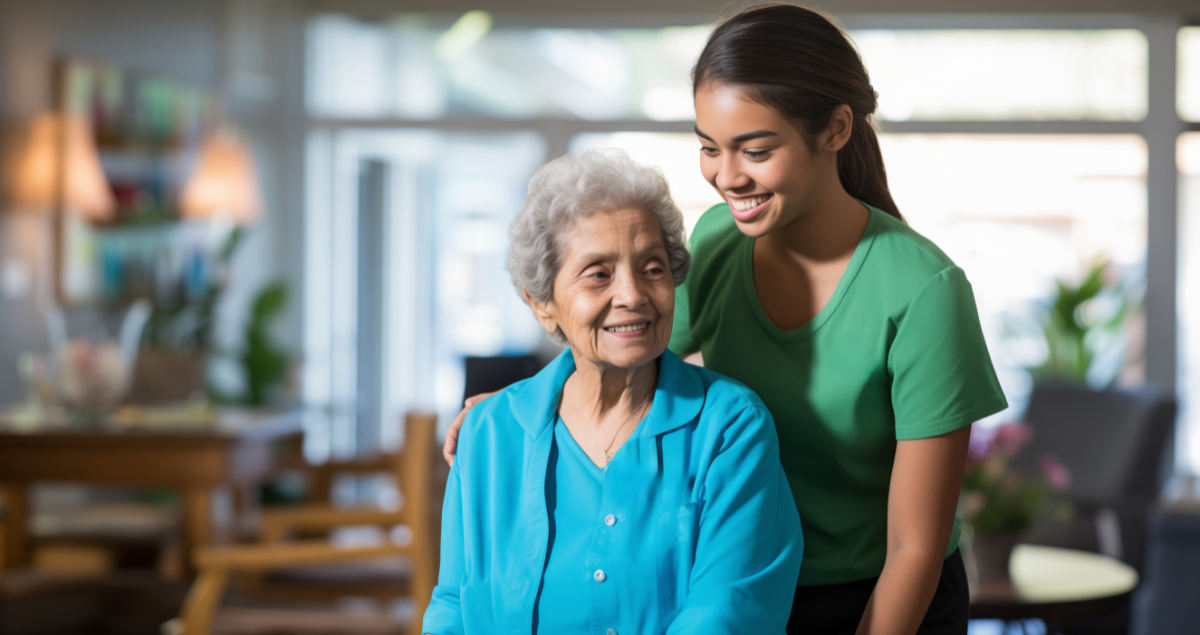
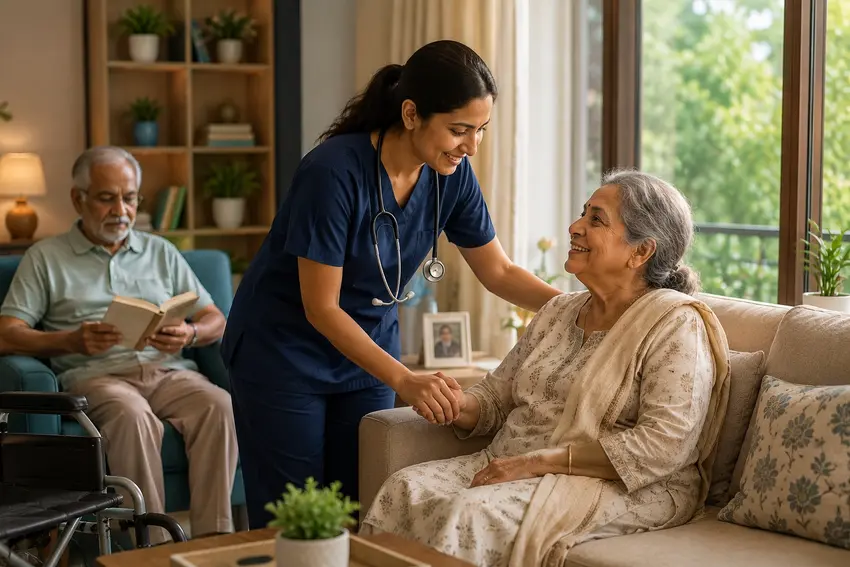
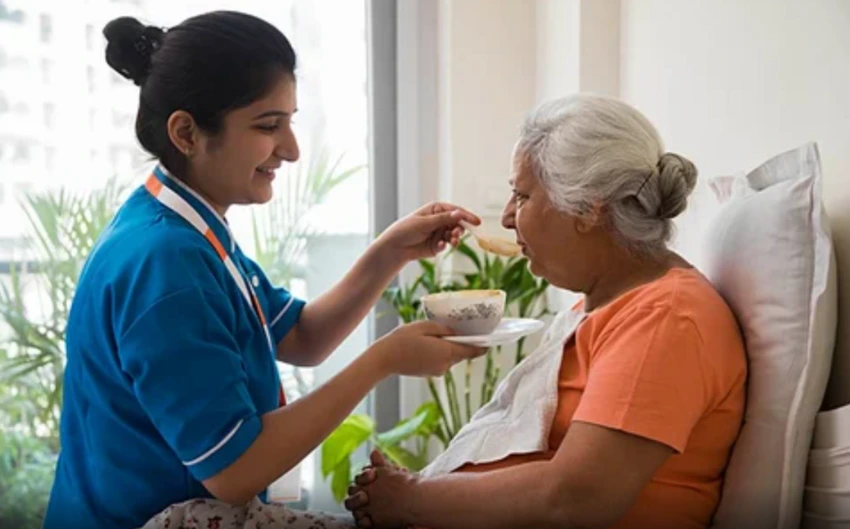
A caregiver, often sourced from a nursing bureau in Mumbai, is focused on the person. This role entails a higher level of intimacy and physical support. Caregivers assist with activities of daily living (ADLs), such as bathing, dressing, and feeding.
- Personal Hygiene: Helping with toileting and grooming to ensure dignity.
- Emotional Support: Forming a bond that helps overcome the depression that often accompanies old age.
- Health Monitoring: Monitoring fluid intake and being aware of changes in mood or physical condition.
For families requiring more medical oversight, home care nursing services take this role to an even higher level, often including qualified nurses who can administer medication and monitor vital signs.
Integrating physical therapy
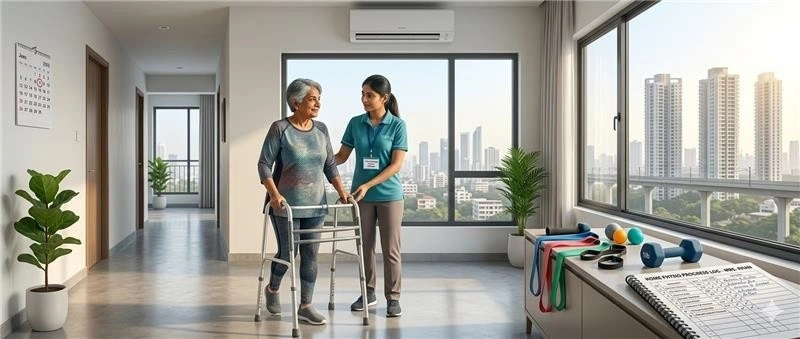
Caregivers are often employed alongside medical specialists to ensure holistic recovery. For the seniors who are recovering from surgery or strokes, hiring a physiotherapist for elderly at home Mumbai is a common necessity. A caregiver is responsible for ensuring the senior completes their prescribed exercises, but a specialist designs the plan.
Finding a physiotherapy service provider in Mumbai who can visit the home is critical for immobile patients. In some cases, a virtual physiotherapist consultation may be possible for follow-ups, but for initial assessments, the attendance of a physiotherapist treatment provider at home is typically required.
Professional support networks
When basic caregiving is insufficient, families appeal to professional agencies. A good Mumbai nursing bureau can offer a range of staff members, from basic attendants to ICU-trained nurses.
- Skilled Nursing: Best home nursing services in Mumbai provide well-trained staff who are competent in managing catheters, IV lines, and wound care.
- Rehabilitation: connecting with the best homecare physiotherapy doctors in Mumbai to ensure that the mobility issues are addressed in time.
- Budget Flexibility: Agencies often offer options ranging from affordable nursing services in Mumbai to premium packages.
Residential care options
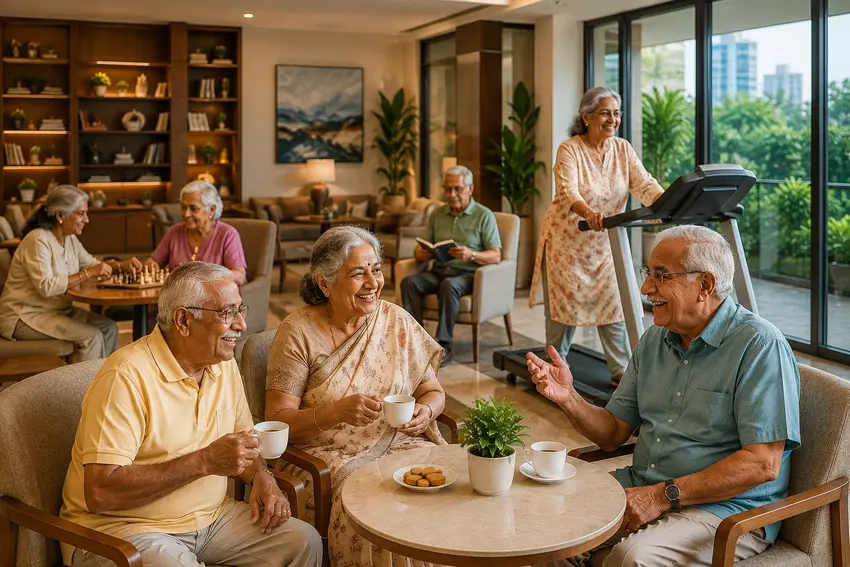
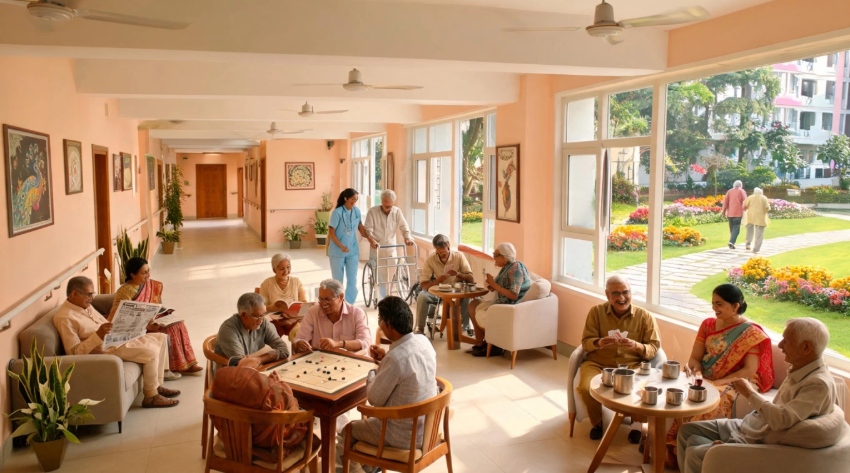
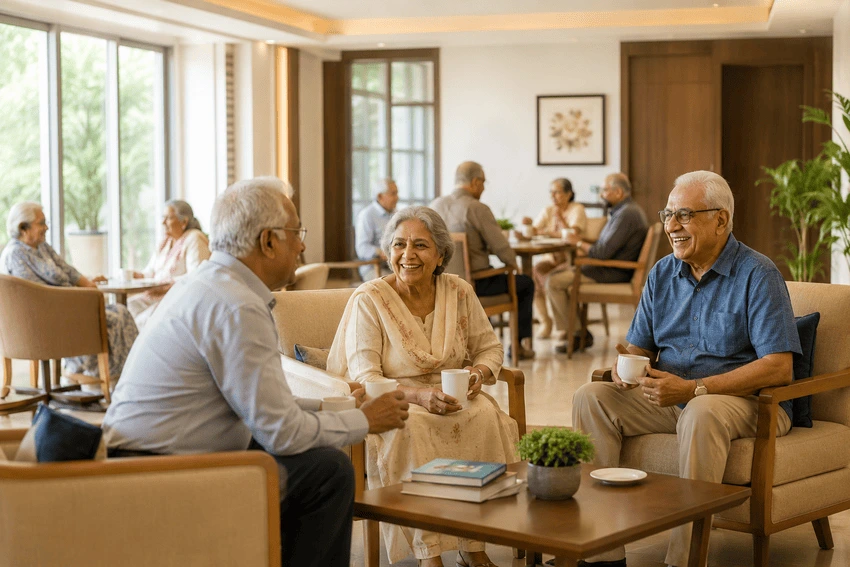
Sometimes, the best care solution is a change of environment. Assisted living facilities in India have transformed from depressing institutions into vibrant communities. For those in the suburbs, an old age home in Panvel or an old age home in Thane city offers spacious, serene environments away from city pollution.
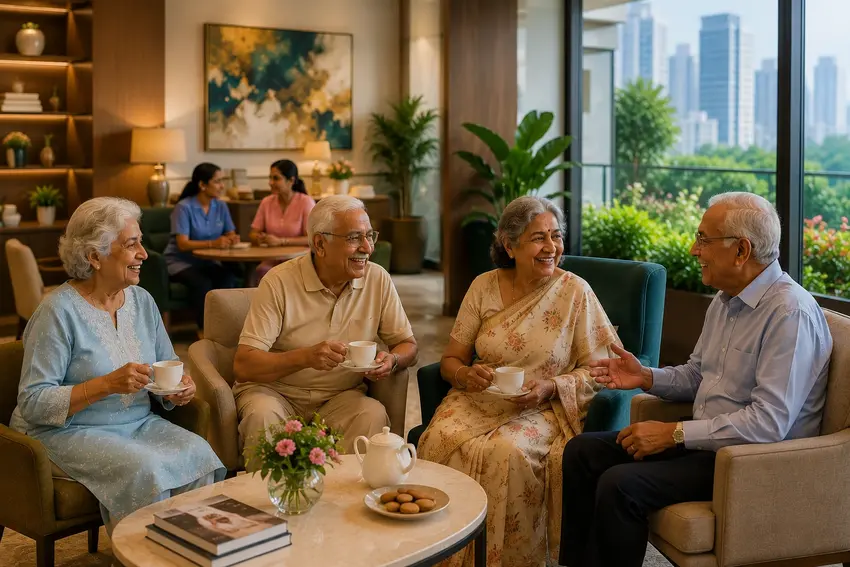
These facilities range from affordable old-age homes in Mumbai to ultra-high-end residences. Luxury senior citizen homes in Mumbai provide an experience akin to a resort, with gourmet meals and social clubs.
Sometimes, the solution to a care problem is a change of environment. An assisted living facility in India has made a complete 360-degree turn- from a depressing institution to a vibrant community. For those in the suburbs, an old age home in Panvel or an old age home in Thane city is a great option to have spacious and serene environments away from the pollution of the city.
These facilities range from affordable old-age homes in Mumbai to ultra-high-end residences. A luxury senior citizen home in Mumbai offers an experience similar to that of a resort, with gourmet meals and social clubs.
Choosing the right facility
If home care becomes impossible, transferring to a facility ensures 24/7 supervision. The top old age homes in Mumbai have healthcare as a part of their infrastructure.
- Medical Access: Residents have access to a physiotherapist in South Mumbai or on-site clinics.
- Lifestyle: Luxury old age homes in Mumbai have a focus on quality of life, with libraries, gyms and entertainment.
- Comprehensive Care: Top assisted living services in Mumbai ensure a seamless transition from independent living to assisted care.
Specialized services
For those who want the comfort of their own residence, home care nursing Mumbai is a top choice. However, for those looking for a luxury destination for senior care in Mumbai, the amenities institutional care offers cannot be beat.
Consider looking at premium assisted living services in Mumbai that offer a hybrid model: living in the independence of an apartment with the safety net of a nursing home. Meanwhile, affordable physiotherapist services in Mumbai make sure that essential physiotherapy is not missed out on due to cost.
Balancing cost and quality
Whether looking for the best physiotherapist clinics in Mumbai or a long-term care facility, budget plays a huge role. It is possible to find luxury assisted living services in Mumbai that justify their cost through better medical infrastructure and staff ratios. On the other hand, several elderly care homes in Mumbai offer good care at reasonable prices.
Navigating the choice
The choice between a caretaker and a caregiver, or between home care and a facility, depends on the specific medical and emotional needs of the senior. Home care services in Mumbai enable aging in place and provide a sense of community.
Ultimately, whether you are looking for a physio for physio for elderly at home Mumbai or even a full-time nurse, the goal is safety and dignity. Knowing these roles is important in building the right support team for your loved ones. We at Healthy Wrinkles are known to offer the best care to the elderly so that you are at peace of mind no matter where you are.
Frequently Asked Questions (FAQs)
Q1: Can I hire a caretaker and a caregiver simultaneously?
Yes, many families hire both. A caretaker can handle household management and errands while a caregiver provides personal care. This division of labor allows each professional to focus on their specialty, ensuring comprehensive support. Many nursing bureaus in India offer coordinated staffing solutions.
Q2: How do I verify the qualifications of a caregiver?
Verify certifications with issuing institutions, check CPR/First Aid training dates, request background checks, and speak with previous employers. Hiring through reputable nursing bureaus provides built-in verification. Ask for detailed resumes and don't hesitate to conduct your own verification.
Q3: Can caregivers administer medications?
Basic caregivers can organize and remind seniors about medications but typically cannot administer them. Licensed Practical Nurses and Registered Nurses can administer medications under medical supervision. Clarify this capability before hiring and ensure proper medical authorization.
Q4: What training do caregivers need for dementia care?
Dementia care specialists receive specialized training in behavior management, communication techniques, reality orientation, and how to prevent wandering. They understand triggers for agitation and have de-escalation strategies. This specialized training is crucial for seniors with cognitive decline.
Q5: What's the difference between in-home caregivers and nursing bureau staff?
In-home caregivers are hired directly; nursing bureaus provide staffing services with professional oversight, backup staff availability, and legal protections. Bureaus typically offer background verification, training programs, and response to staffing issues. The choice depends on preference for direct hiring or agency support.