



















Why Companionship Matters in Premium Senior Homes
07-09-26
A Senior May Be Safe at Home - But Is He Still Connected to Life?
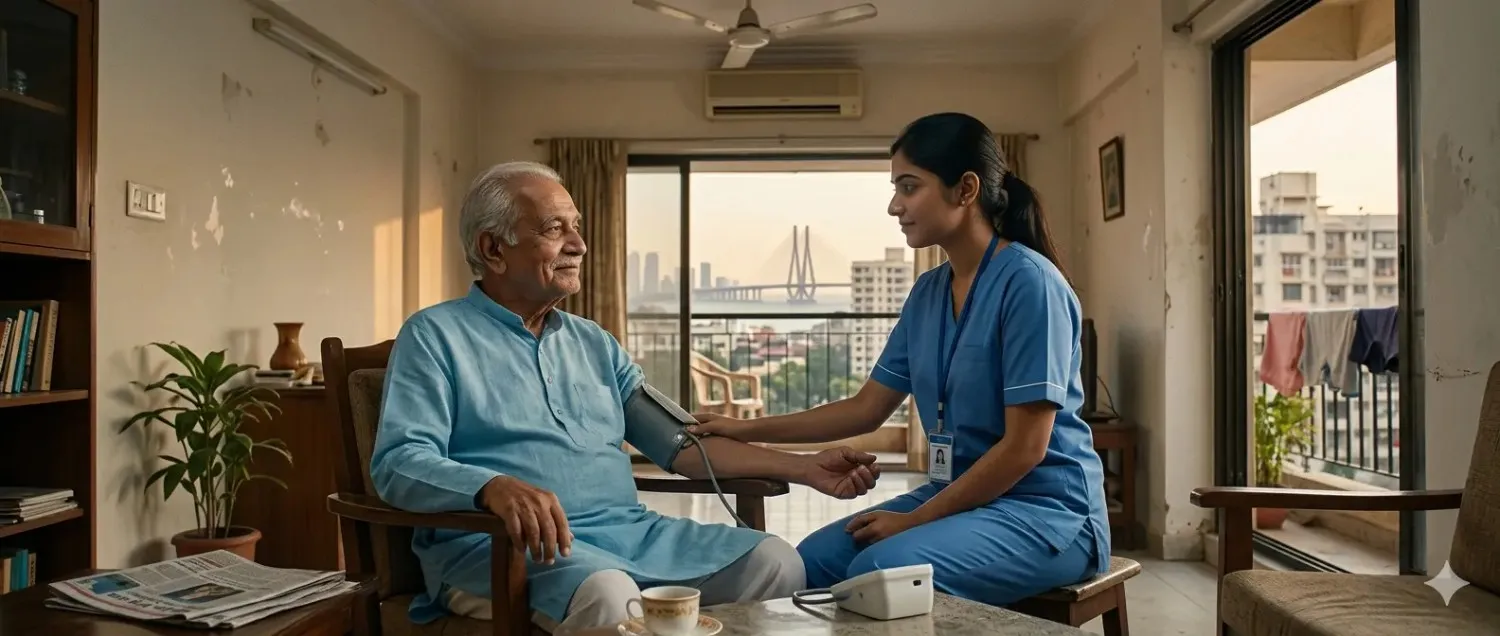
Every evening, Meera called her 79-year-old father, Prakash, in Mumbai.
Meera lived in Pune. Her father had continued living alone after her mother passed away. He was physically independent, took his medicines regularly and had a domestic helper who cooked and cleaned.
Whenever Meera asked how his day had been, his answer was usually the same. “Fine, beta. Everything is fine.”
Technically, it was true. The house was clean. His medicines were arranged. His meals were delivered on time. A neighbour had his spare key. The family doctor was only a telephone call away. Yet, during one weekend visit, Meera noticed something that no checklist had captured.
The television remained on throughout the day, but her father was not really watching it. He ate lunch quietly. He had stopped going downstairs because most of his old friends had either moved away or were finding it difficult to meet. He spoke warmly to the domestic helper, but she left as soon as her work was completed.
Prakash was being looked after. But he was spending most of his life alone.
This is not only Meera’s story, but it reflects a reality faced by many seniors and their families.
Good Care Is Essential - but It Is Not the Whole of Life
When families think about senior care, they naturally focus first on safety and health.
- Are medicines being taken correctly?
- Is nutritious food available?
- What will happen during an emergency?
- Is a nurse or doctor accessible when required?
These questions are essential.
However, healthy ageing needs more than the management of illness and risk.
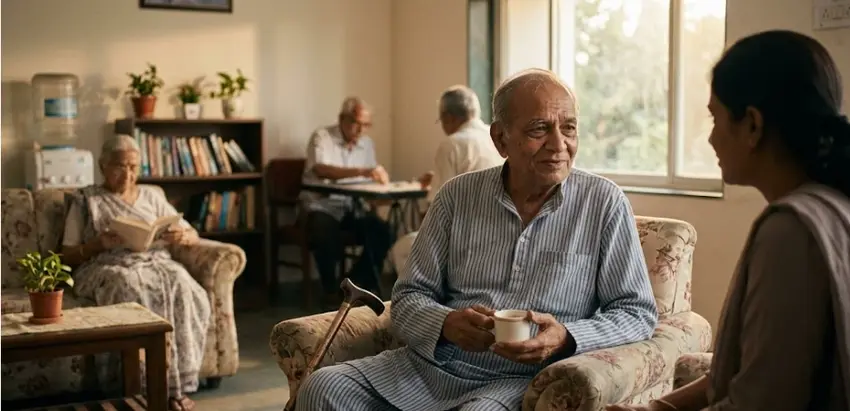
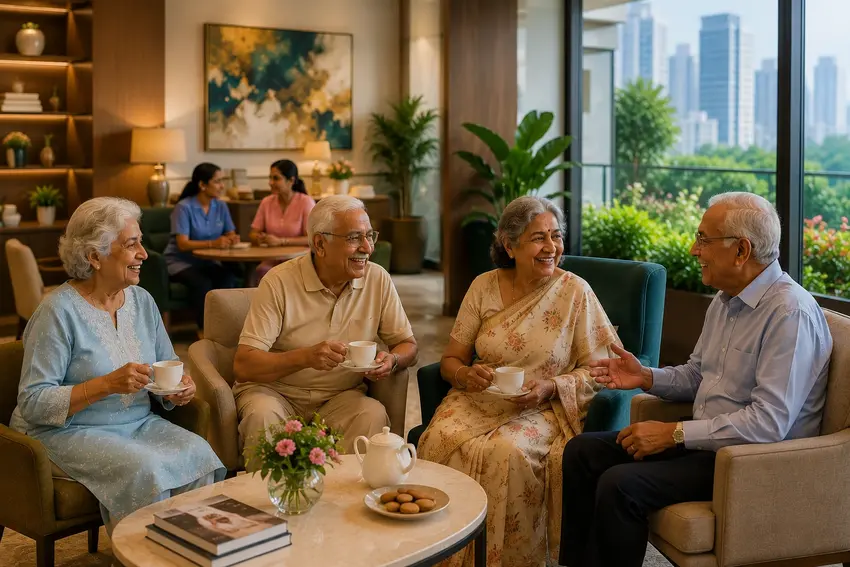
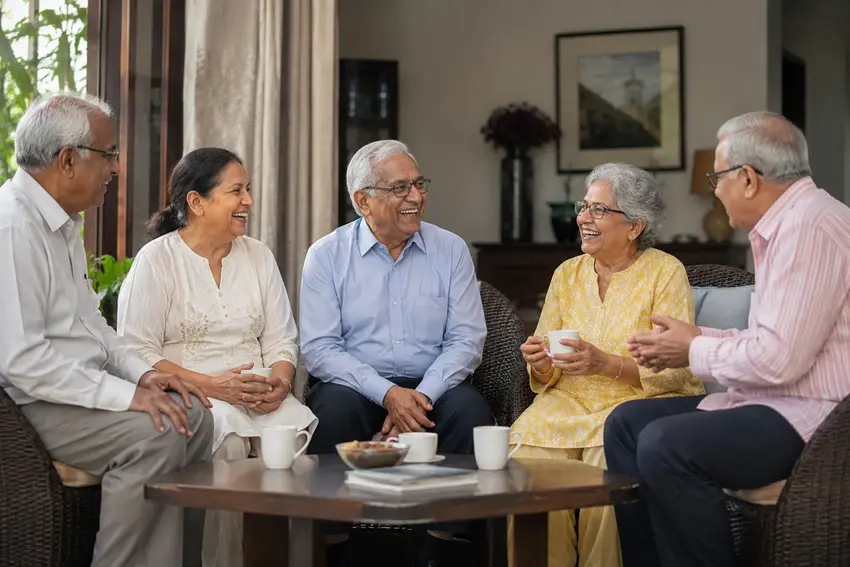
People also need conversation, friendship, laughter, emotional warmth and a sense of belonging. They need someone with whom they can discuss the morning news, share a memory, celebrate a festival or simply drink a cup of tea.
A senior can have a well-managed home and still feel lonely. Every physical need may be addressed, but the day may remain empty. The difference is important: care helps a person remain safe; companionship helps a person remain connected to life.
How Loneliness Can Gradually Enter a Senior’s Life
Loneliness often develops gradually. Retirement, bereavement, children moving away, reduced mobility and friends relocating can steadily make a senior’s social world smaller. This can happen even in a crowded city such as Mumbai. Thousands of people may live nearby, while meaningful interaction remains limited.
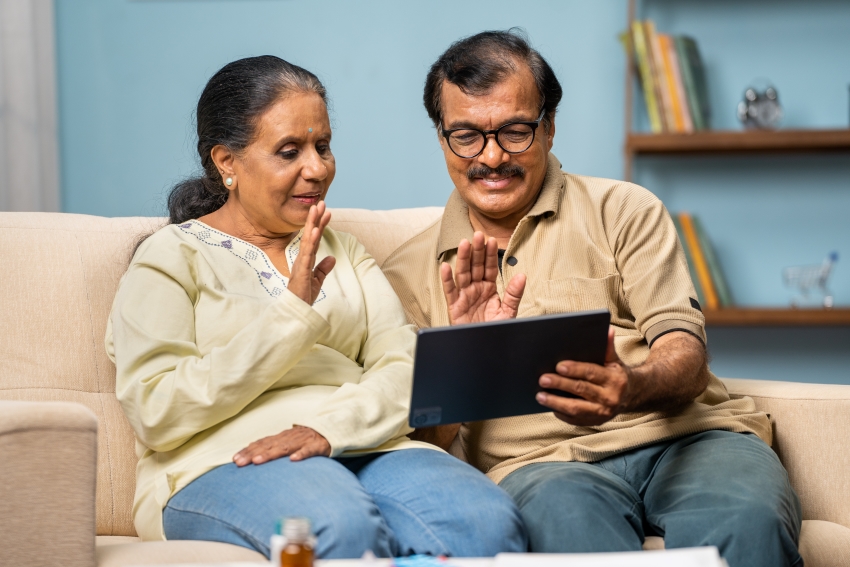
Telephone and video calls matter greatly, but they may not replace a person sitting nearby. Calls can also become brief or functional:
- Did you take your medicine?
- Did you eat lunch?
- What was your blood-pressure reading?
- Is the caretaker coming tomorrow?
The conversation becomes centred on care management. The senior’s need for ordinary, spontaneous companionship may remain unmet.
Living alone and feeling lonely are not exactly the same. Some seniors enjoy solitude and remain socially active, while a person living with family may still feel isolated when meaningful interaction is limited.
Families should therefore respect independence while observing whether solitude has begun turning into isolation.
Signs That More Social Connection May Be Needed
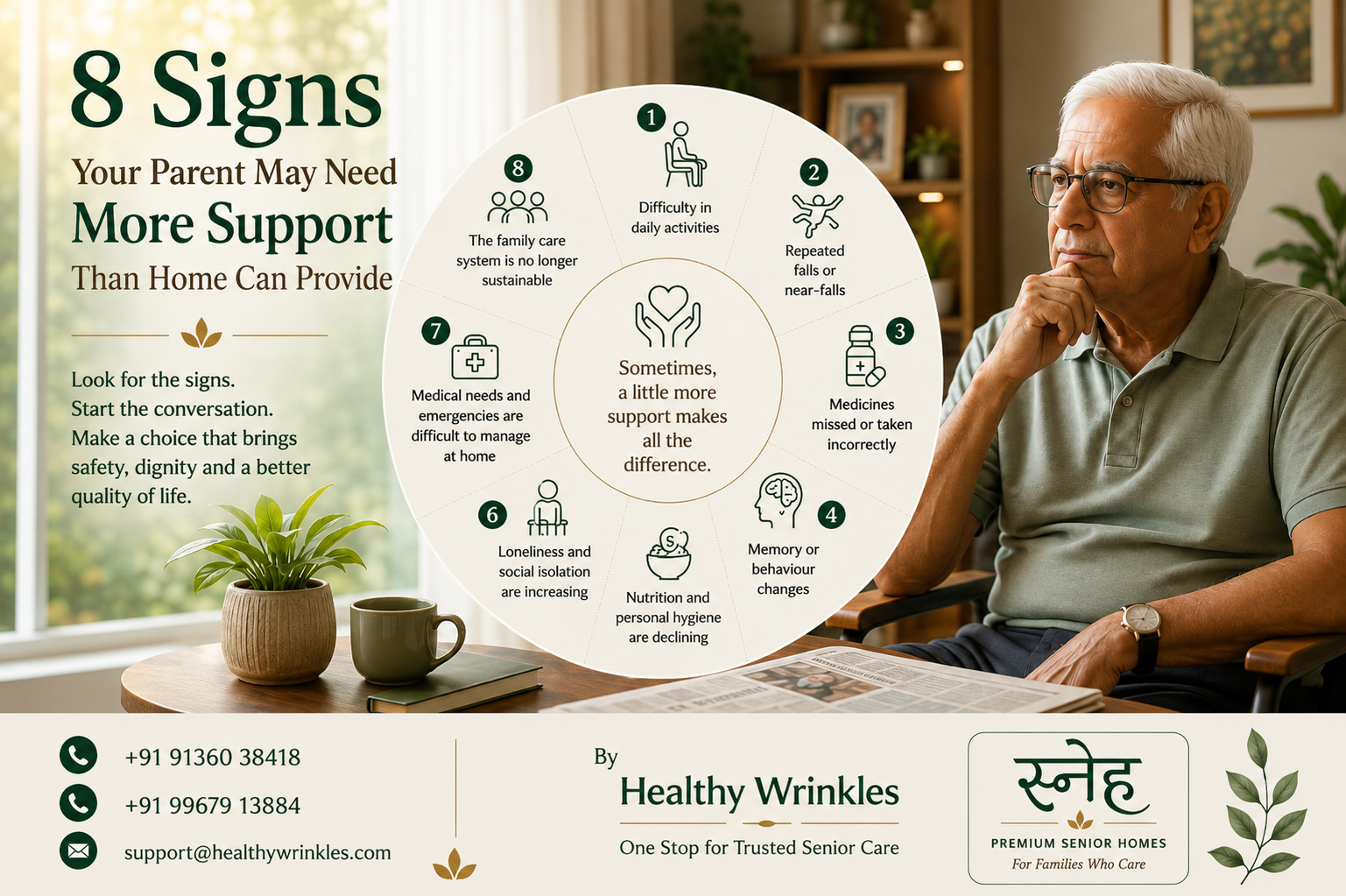
A parent may never say, “I feel lonely.”
Families may instead notice reduced interest in hobbies, constant television viewing, fewer calls to friends, unusual silence, loss of interest in meals or comments that every day feels the same. Because such changes can also have medical or emotional causes, persistent concerns should be discussed with an appropriate healthcare professional.
Why Companionship Supports Healthy Ageing
Social connection gives structure and meaning to the day.
When seniors interact regularly, they receive mental and emotional stimulation. They listen, respond, remember, laugh and exchange ideas. They are more likely to participate in activities, follow routines and remain interested in what is happening around them.
- Companionship can support:
- A more positive mood
- Greater interest in meals and activities
- Better daily routines
- Mental stimulation
- A sense of purpose and belonging
Companionship is not a substitute for medical care and cannot guarantee happiness. But it is an important part of emotional well-being and healthy ageing. Occasional visits by neighbours and relatives are valuable, but their availability may be unpredictable.
The challenge is not merely arranging an activity once or twice a week. It is creating regular opportunities for connection as part of everyday living. This is one reason families begin exploring Senior Assisted Living and Premium Senior Homes.
How Premium Senior Homes Create Opportunities for Connection
A thoughtfully managed premium senior home does more than bring several older adults into one building.
Its environment and routines should help relationships develop naturally.
1. Shared Everyday Moments
Some of the most meaningful interactions are not planned events.
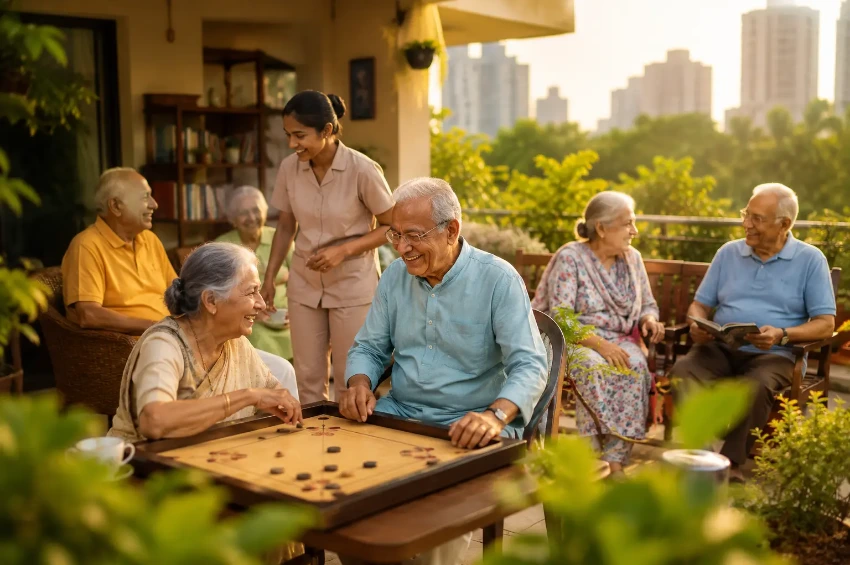
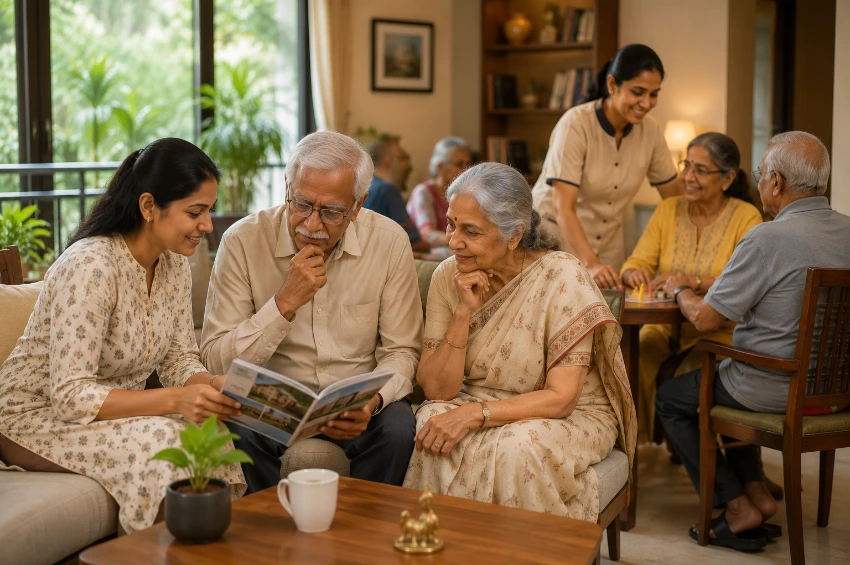
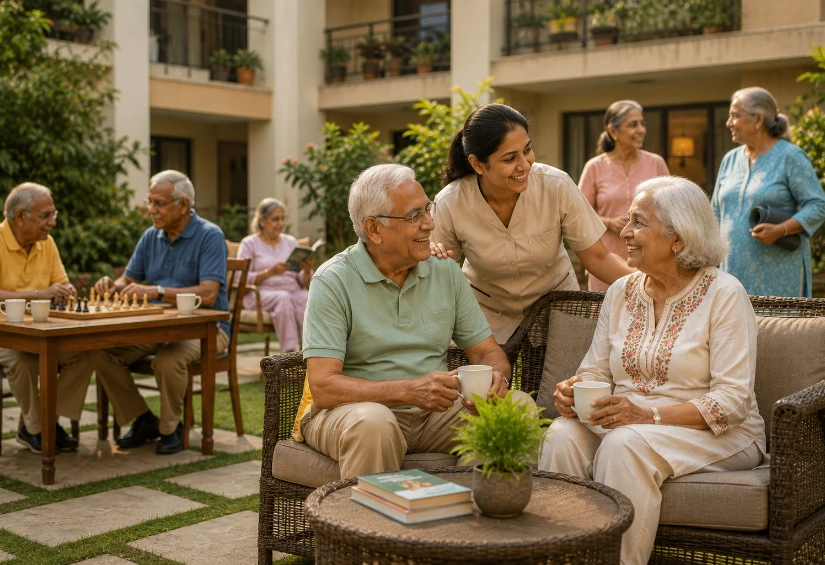
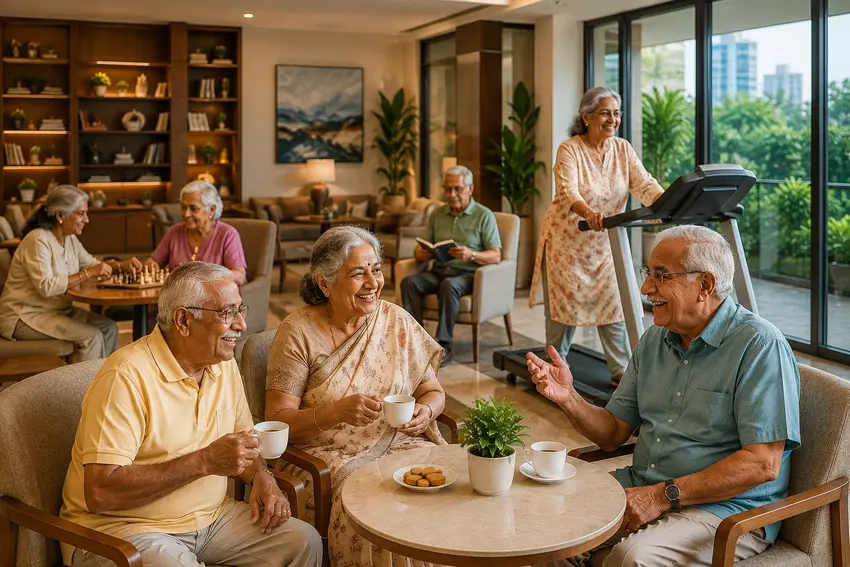
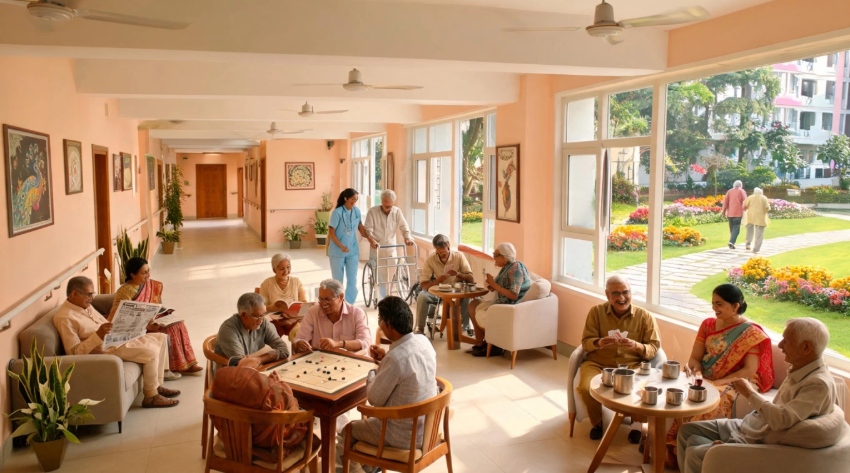
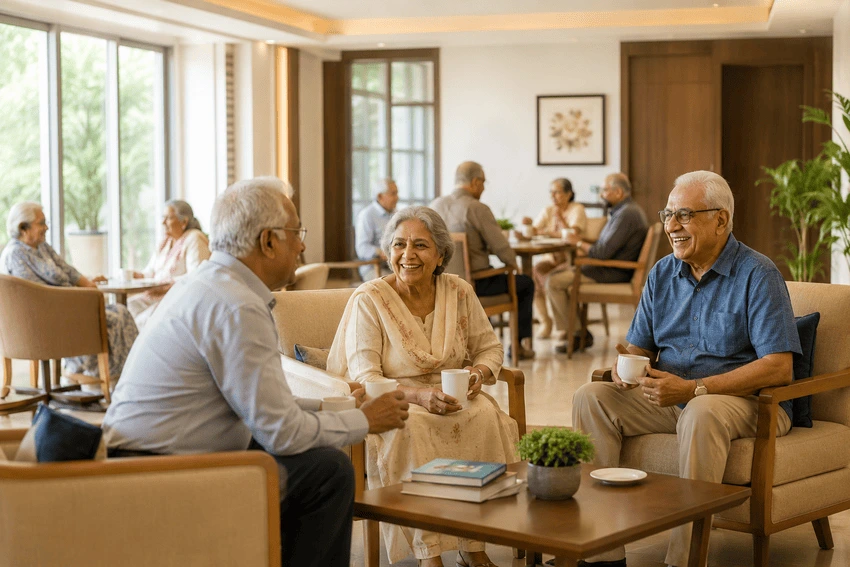
They happen while residents have morning tea, read the newspaper, sit in the common room or take an evening walk. One resident asks another about a family photograph. Someone shares a joke. A discussion begins around cricket, music, travel or events in the city.
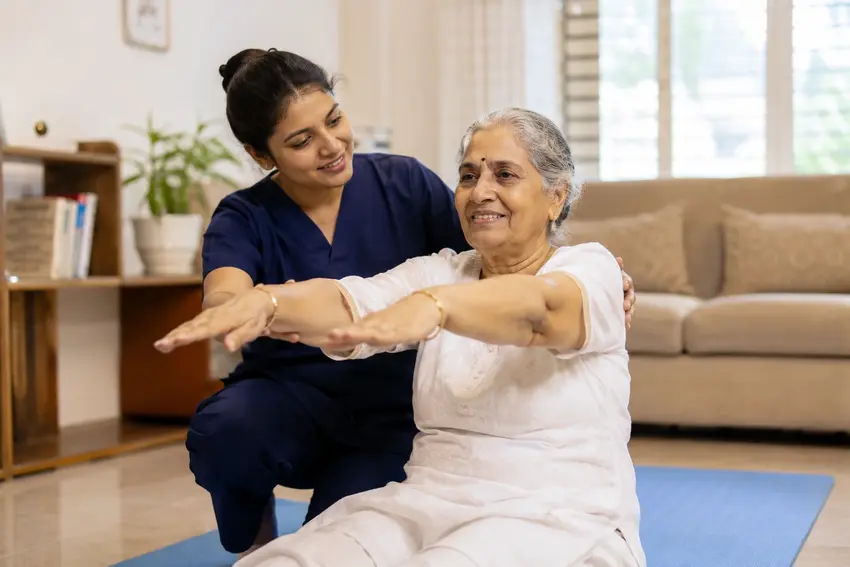
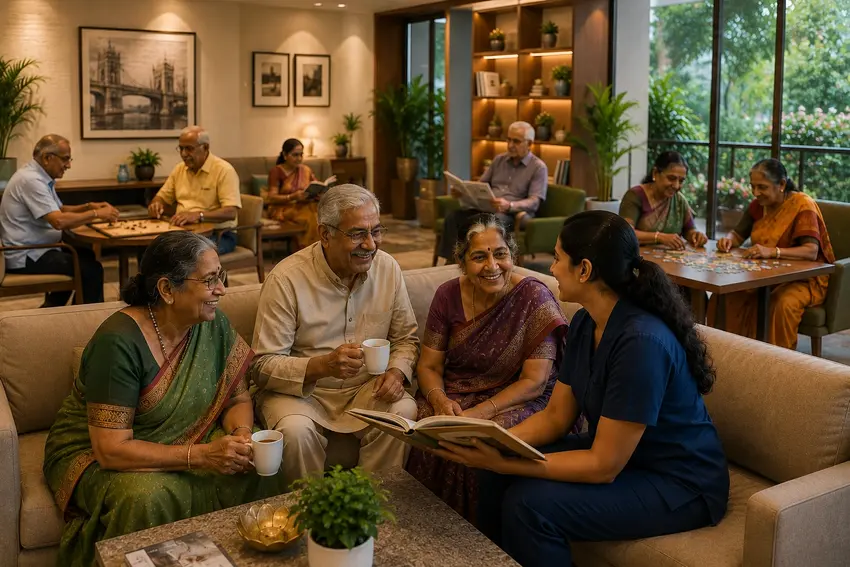
These ordinary moments can make the day feel fuller. Meals and Activities Dining together can turn a silent meal into a social experience. Music, gentle exercise, yoga, indoor games, festival celebrations, storytelling and hobby-based sessions can also create opportunities to connect.
The purpose should not be to force every resident to participate. Activities should offer enjoyment, choice and opportunities for natural interaction.
2. Interaction with a Caring Team
Staff members are also part of a senior’s social environment.
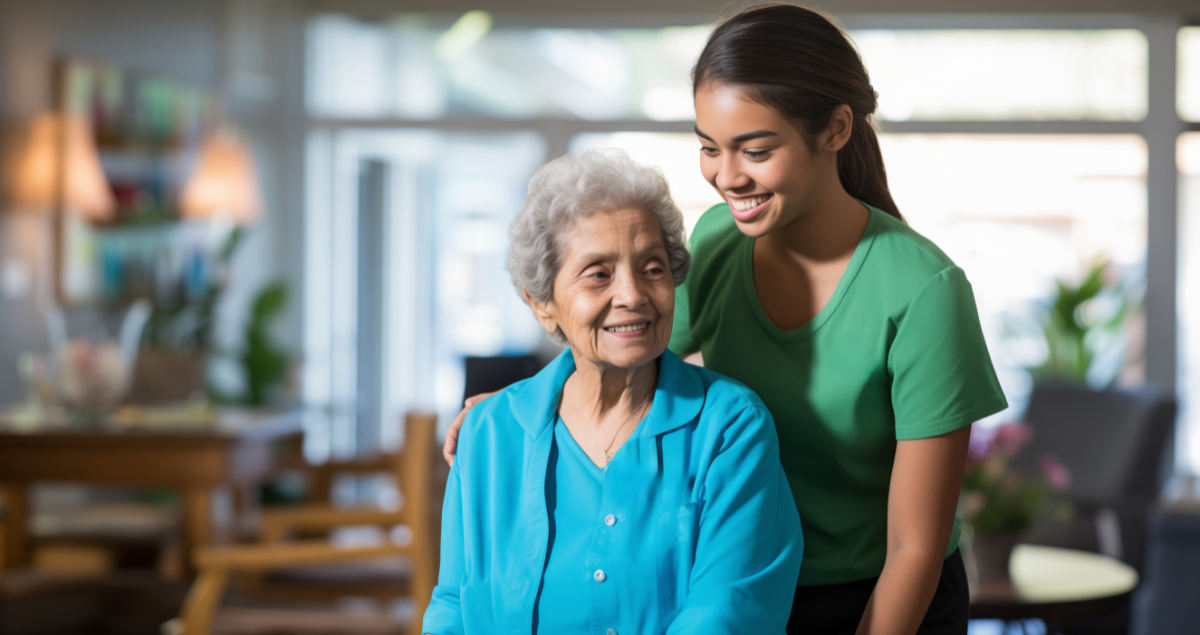
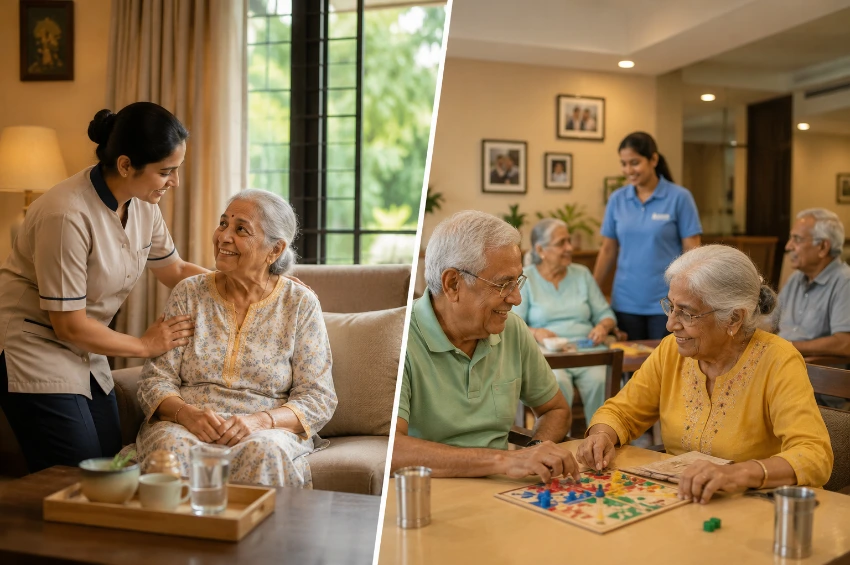
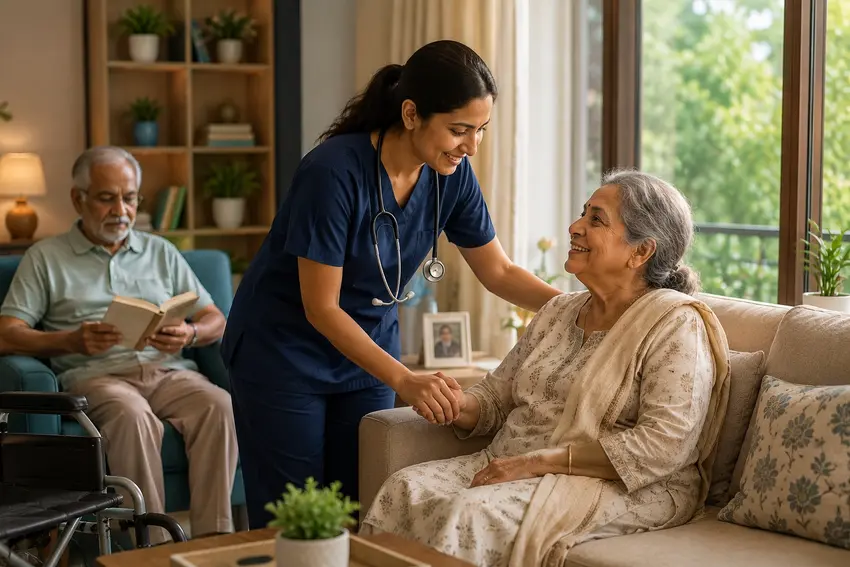
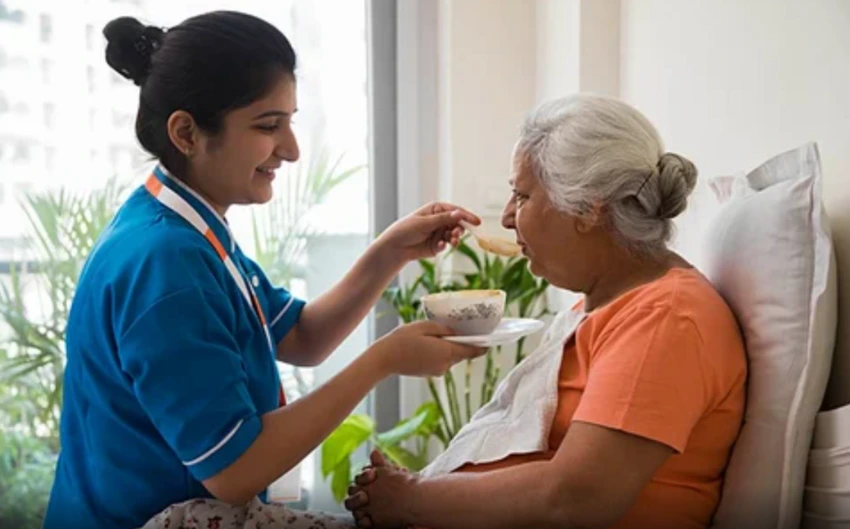
A respectful greeting in the morning, a brief conversation during tea or someone noticing a change in mood can make a meaningful difference.
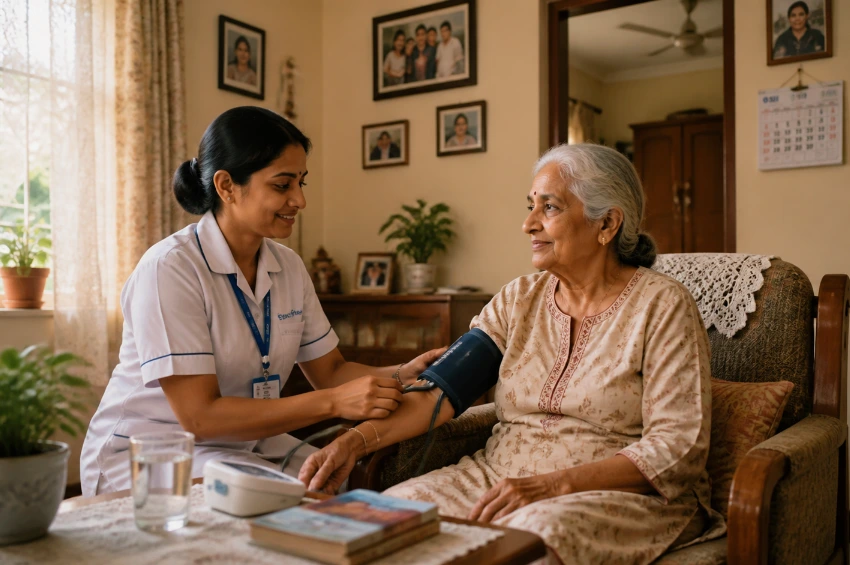
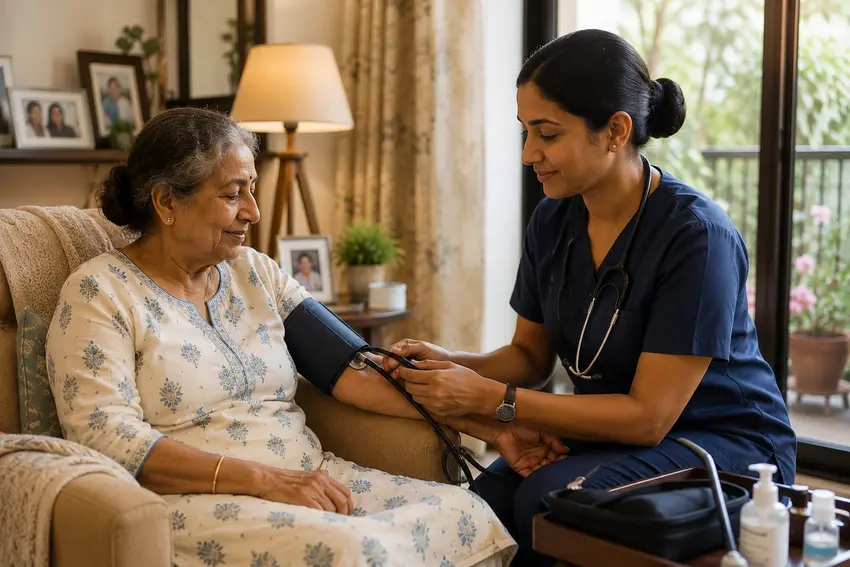
Seniors should feel known as individuals, not handled as tasks. Contact with Visiting Professionals Visits by a doctor, physiotherapist, yoga guide or dementia counsellor can support more than a specific health requirement.
When conducted with warmth and respect, these interactions add reassurance, stimulation and valuable human contact.
3. How Twin Sharing May Help Reduce Loneliness
For a suitable senior, a twin-sharing room can create a valuable form of everyday companionship.
A compatible roommate may provide someone with whom to exchange a few words in the morning, discuss the day or call for help if the other person is uncomfortable. The simple presence of another person can reduce the feeling of being alone, particularly during evenings and nights. Twin sharing should, however, be handled thoughtfully. Compatibility, personal habits, sleep patterns, privacy, medical condition and individual preferences matter.
The objective is a comfortable arrangement that respects both companionship and personal space.
Sneh - Comfort, Companionship and Meaningful Days
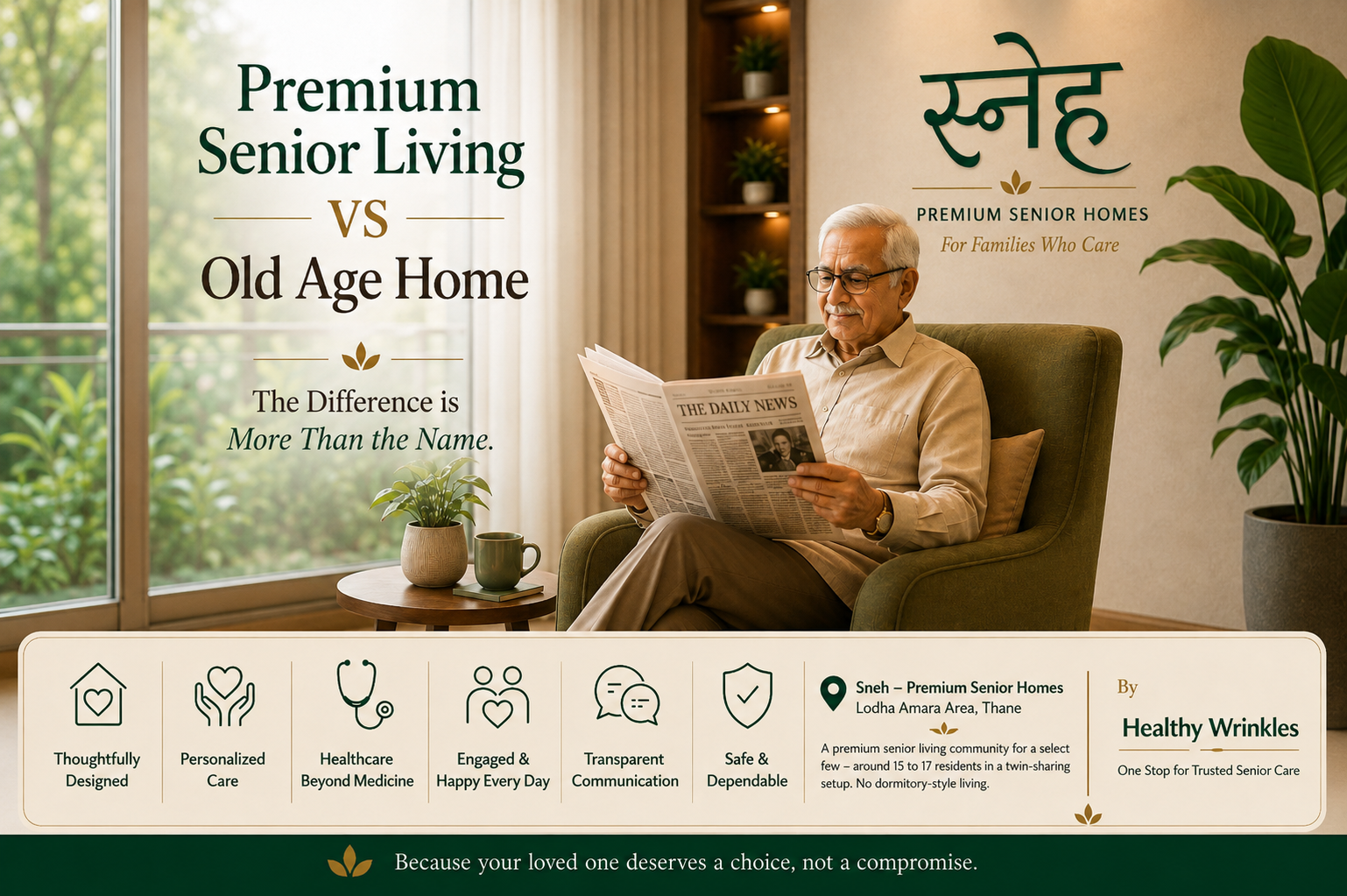
Sneh – Premium Senior Homes, located Near Lodha Amara, Thane, is being developed around a simple understanding: seniors need care, but they also need connection.
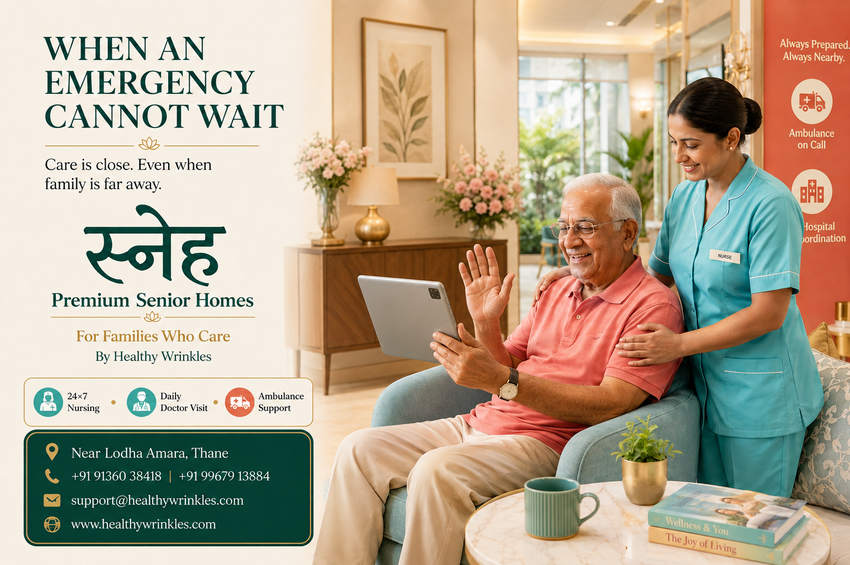
Sneh brings together the essentials of supported senior living—nutritious meals, medicine management, nursing availability, regular doctor visits and emergency preparedness—with a warm, homelike social environment.
Residents have opportunities to interact with other seniors, share meals and conversations, participate in suitable engagement activities, connect with caring staff and visiting professionals, and consider twin-sharing accommodation where appropriate. The intention is not to keep residents constantly occupied. Some seniors enjoy groups; others prefer smaller conversations or quiet time.
Sneh aims to respect these differences while ensuring that no resident is left without opportunities for companionship.
For families exploring Premium Senior Homes in Thane, Senior Assisted Living in Mumbai, Premium Assisted Living near Mulund, Senior Old Age Homes near Mumbai or senior-care options accessible from Navi Mumbai, the social environment deserves as much attention as the room, food and medical support. Look Beyond the Infrastructure
When visiting a senior home, families should observe whether residents appear comfortable together, whether common areas are inviting, how new or shy residents are supported, how roommates are matched and whether privacy is respected.
A beautiful room matters, but families should also ask: “What will my parent’s day actually feel like here?”
1. Beginning the Conversation with a Parent
Meera should not tell her father:“You are lonely, so you must move.”
Prakash may hear this as criticism or an attempt to take away his independence. Instead, she could say:
“Papa, your medicines and meals are organised. But I also want your days to include people, conversation and things you enjoy. Let us visit a place where you can have both independence and company.”
A family visit can help the senior see the setting, meet the team and understand the routine. A short respite or trial stay may make the idea easier to evaluate.
The decision should be made with the senior, not merely for the senior.
2. Care Protects Life. Companionship Enriches It.
For Meera, peace of mind would not come only from knowing that her father had eaten and taken his medicines.
It would come from knowing that he had laughed at breakfast, spoken to a new friend, joined an activity or simply shared his thoughts with someone who listened. Healthy ageing is not only about adding years to life. It is also about keeping interest, relationships and meaning within those years.
- Medicines matter.
- Nutrition matters.
- Emergency readiness matters.
But so do friendship, conversation and belonging.
Because a senior may be living safely and still be waiting for someone to talk to.
Sneh – Premium Senior Homes
Near Lodha Amara, Thane For Families Who Care
By Healthy Wrinkles – One Stop for Trusted Senior Care
Phone: +91 9136038418 | +91 9967913884
Email: support@healthywrinkles.com
Website: www.healthywrinkles.com