































NRI Parents Living Alone Senior Care in Mumbai Thane
17-08-26
NRI Parents Living Alone: How to Build a Reliable Support System in Mumbai and Thane
Living abroad can provide better professional opportunities and financial security. But for many NRIs, it also creates a constant concern.
“Are my parents really safe at home?”
Parents may say that everything is fine. They value their independence. They may not want their children to worry. Yet, age gradually changes everyday life.
A fall, sudden illness, missed medicine or household emergency can quickly become serious. The concern is not simply about physical health. It is also about loneliness, nutrition, security and access to dependable help.
For NRI families, this concern is often accompanied by an unspoken sense of guilt. They have the resources to support their parents, but cannot be physically present when support is needed. The answer is not necessarily to ask parents to give up their independence. The better answer is to build a reliable care system around them.
Why Living Alone Becomes More Difficult with Age
Many older adults manage independently well into their seventies and eighties. However, their needs can change gradually or suddenly.
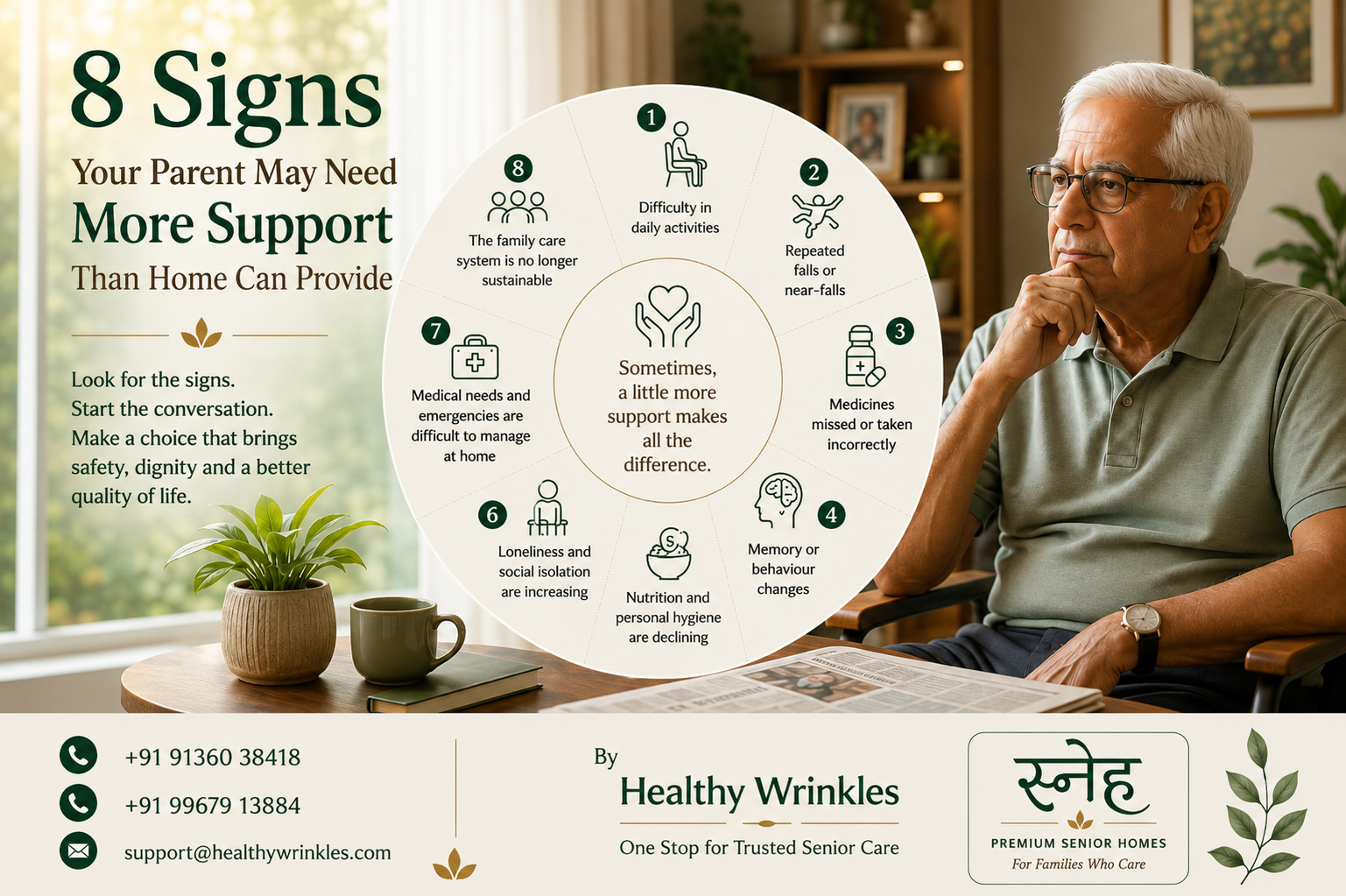
Some common warning signs include:
- Difficulty managing medicines
- Frequent falls or loss of balance
- Reduced appetite or irregular meals
- Problems with housekeeping and personal hygiene
- Difficulty attending medical appointments
- Increasing forgetfulness
- Social withdrawal
- Anxiety during the night
- Dependence on neighbours or domestic staff
- Repeated hospital admissions
One isolated issue may be manageable. When several issues occur together, living alone can become unsafe.
The challenge is greater when the children live in another country. Time-zone differences make communication difficult. Relatives may help occasionally, but they cannot always take responsibility. Domestic helpers are useful, but they are not a complete senior-care solution.
The Special Concerns of NRI Families
NRI families face concerns that are different from those of families living in the same city.
Managing an Emergency from Another Country
A parent may fall, experience breathlessness or need urgent hospitalization. The child may receive the call thousands of kilometres away.
Who will reach the parent immediately? Who will speak with the doctor? Who will arrange transport and admission? Who will remain at the hospital?
A contact number alone is not enough. Families need a clearly defined emergency-response system.
Knowing What Is Really Happening
Parents often understate their difficulties. A short video call may not reveal changes in mobility, memory, hygiene or nutrition.
A dependable local person or professional care team can provide more accurate updates.
Coordinating Several Service Providers
One parent may need a doctor, physiotherapist, nurse, diagnostic service and medicine delivery. Coordinating these separately from abroad can become exhausting.
This is where Healthy Wrinkles – One Stop for Trusted Senior Care can assist families by helping them identify and coordinate suitable senior-care services.
Balancing Independence and Safety
Most parents do not want to feel controlled. They may resist a full-time attendant or refuse to leave their familiar home.
Children, therefore, need to approach the conversation with respect. The focus should be on preserving freedom while adding appropriate safeguards.
Can Parents Continue Living at Home?
For many seniors, ageing at home remains possible if the right support is available.
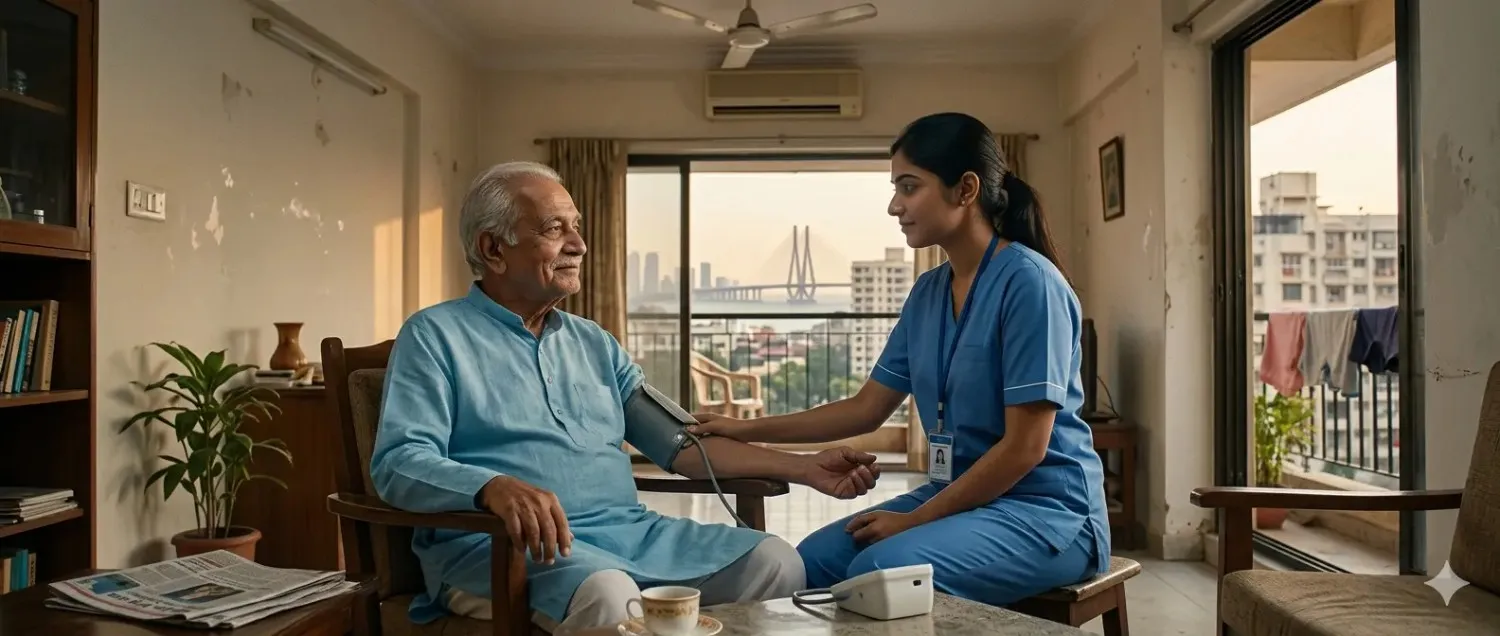
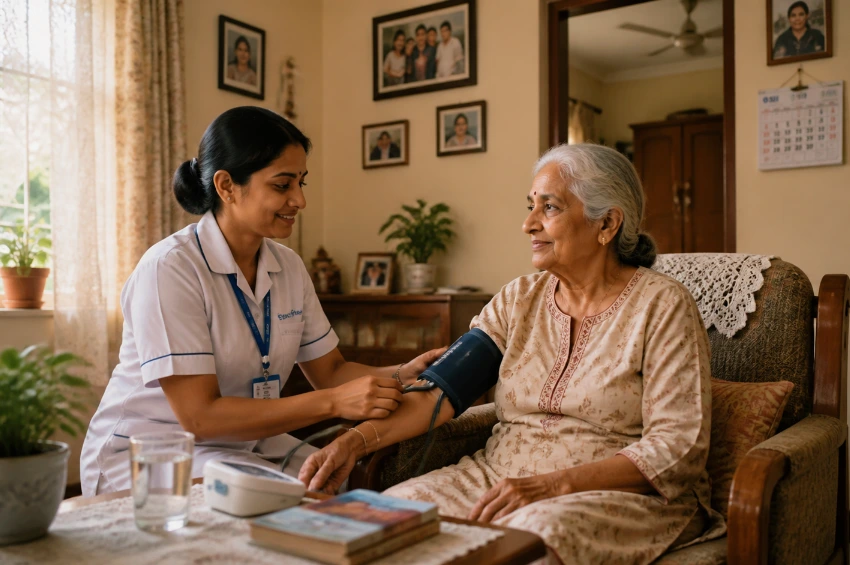
A practical home-care plan may include:
- Regular health monitoring
- Medicine-management support
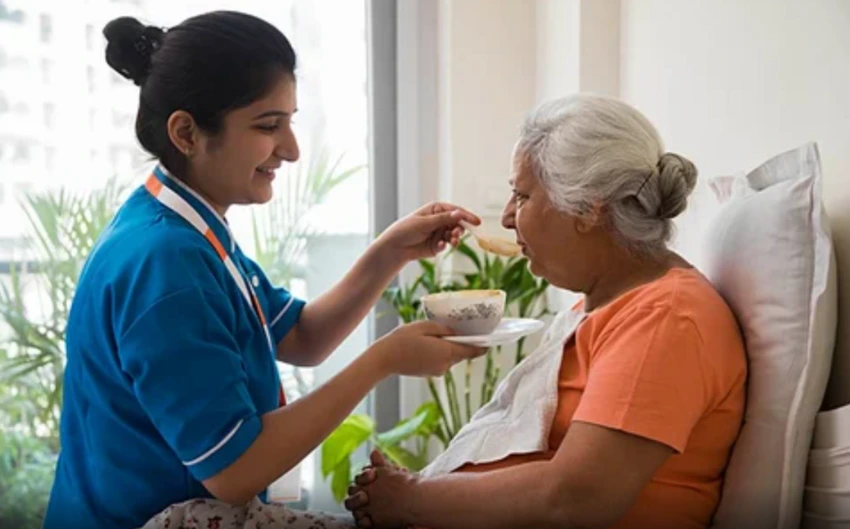
- Trained caretakers or nurses
- Doctor and physiotherapy visits
- Emergency contacts and hospital coordination
- Meal and housekeeping assistance
- Regular social engagement
- Periodic updates to children
- Home-safety modifications
This arrangement works best when the parent is medically stable, mentally alert and comfortable with receiving help.
However, home care may become insufficient when the senior experiences repeated falls, advanced dementia, severe mobility limitations, loneliness or frequent medical emergencies.
At that stage, assisted living should be considered.
When Assisted Living Becomes a Better Choice
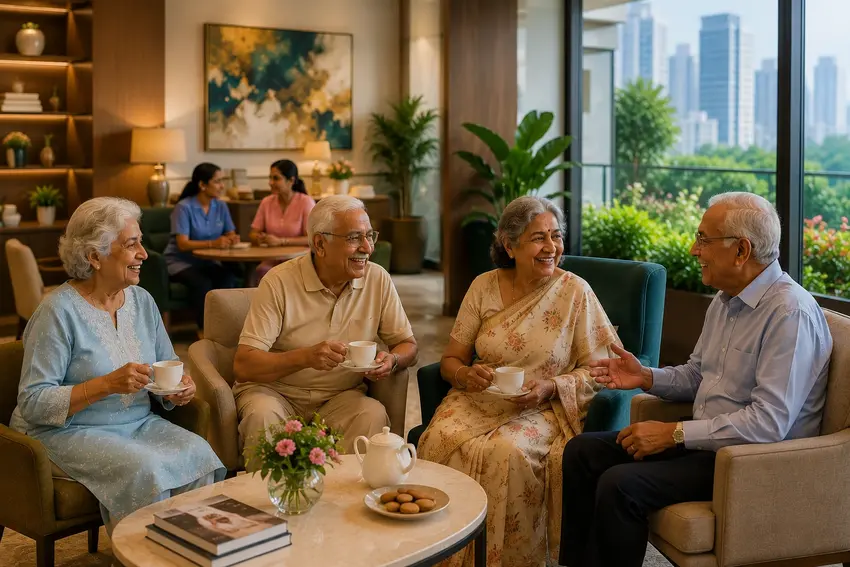
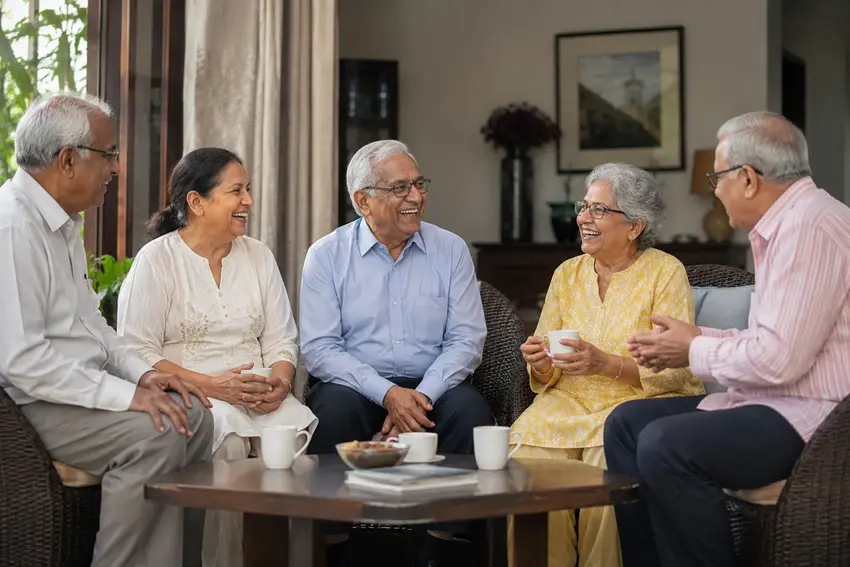
Assisted living provides seniors with a private and dignified living environment while making support available throughout the day.
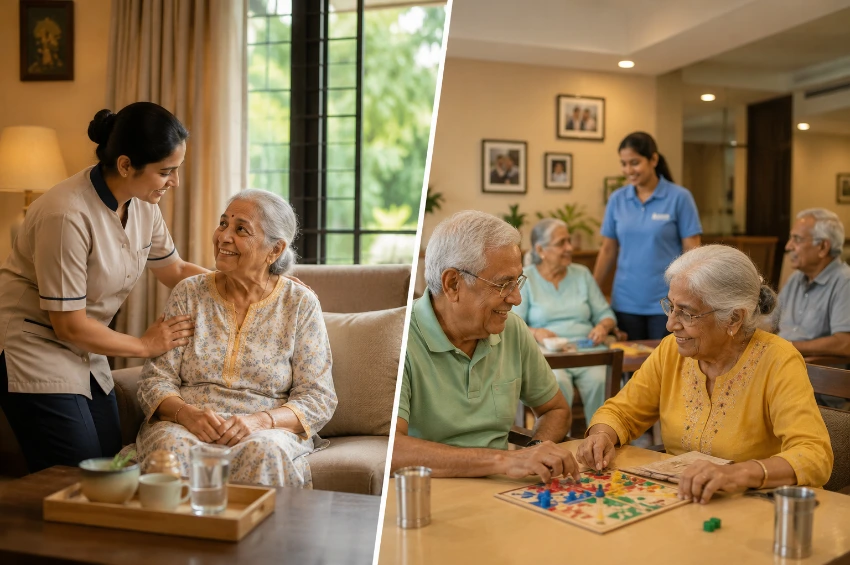
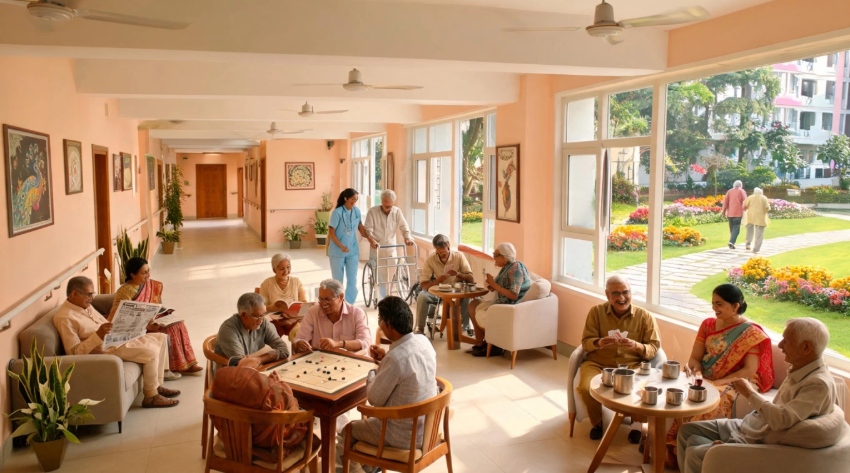
It is not simply accommodation. A professionally managed senior home can provide meals, housekeeping, assistance with daily activities, medicine reminders, health monitoring, recreation and emergency support.
Families searching for Assisted Living in Mumbai should evaluate the quality of care rather than selecting a facility only on the basis of its building or location.
The same applies when comparing luxury old age homes in Mumbai. Attractive interiors are valuable, but the real quality of a senior home depends on its people, systems and responsiveness.
What Should NRI Families Look for in a Senior Home?
1. A Homelike and Respectful Environment
The parent should feel that they are moving into a supportive home, not an institution.
Visit the facility personally whenever possible. Observe how the team speaks with residents. Respectful communication is one of the strongest indicators of care quality.
2. Trained and Adequate Staff
Ask about the availability of attendants, nurses and supervisors. Understand how night-time requirements and emergencies are handled.
3. Healthcare Coordination
The facility should have clear systems for doctor consultations, medicine management, diagnostic services, hospitalization and communication with the family.
4. Personalised Support
Every senior has different needs. One parent may be completely independent. Another may need help with bathing, dressing, walking or medication.
The care plan should reflect these differences.
5. Regular Family Communication
For NRI children, communication is particularly important. The home should provide meaningful updates and respond promptly when concerns arise.
6. Social Life and Engagement
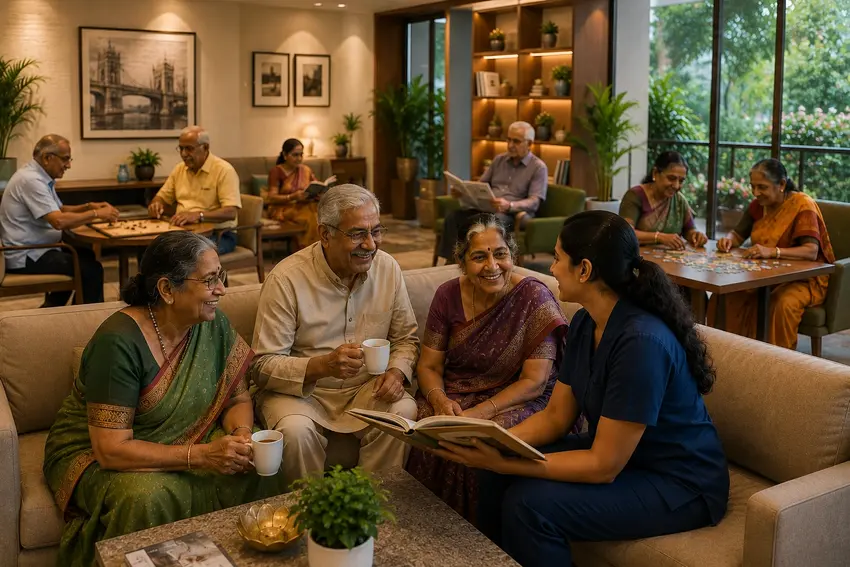
Safety alone is not enough. Seniors need conversation, friendships, activities and a sense of belonging.
Good senior homes create opportunities for recreation, celebrations, exercise and social interaction.
7. Transparent Charges and Policies
Families should clearly understand the monthly charges, deposits, additional care expenses, admission process and refund or exit rules.
8. Choosing the Right Location
Location remains important even when children live abroad. A facility closer to the parent’s familiar area allows friends, relatives and doctors to remain connected.
Families looking for Premium Senior Homes in Thane may find the location convenient for both Mumbai and Navi Mumbai. Thane also offers access to established hospitals and residential infrastructure.
Sneh – Premium Senior Homes in Thane
Sneh – Premium Senior Homes in Thane is being developed around the idea that seniors should receive dependable assistance while continuing to enjoy dignity, comfort and meaningful engagement.
Families considering luxury old age homes in Thane should examine whether the facility combines a premium environment with genuinely responsive care. Similarly, those searching for Premium Assisted Living in Mulund may also consider suitable facilities in nearby Thane, depending on medical needs, family connections and accessibility.
How to Discuss Assisted Living with Parents
The first conversation should not begin with, “You can no longer live alone.” That can make parents feel that a decision has already been imposed upon them.
Begin by discussing their difficulties and preferences:
- What worries them when they are alone?
- Which daily activities are becoming difficult?
- Would they like more social interaction?
- What kind of support would make life easier?
- Would they be willing to visit a senior home temporarily?
Involve parents in shortlisting and visiting facilities. A trial stay or respite stay can help them understand the environment without feeling pressured to make a permanent decision.
A Thoughtful Decision, Not an Abandonment
Moving parents into assisted living does not mean that children are stepping away from their responsibility. In many situations, it means exactly the opposite.
It means recognising that occasional telephone calls, domestic help and emergency contacts may no longer be enough. It means building a professional care system that can respond when the family cannot be physically present. Technology can keep families connected. Financial resources can provide comfort. But seniors also need dependable people nearby.
For NRI families, the right senior-care arrangement can reduce anxiety without taking away the parent’s dignity. More importantly, it can help parents live with greater safety, companionship and confidence.
Frequently Asked Questions
1. Is assisted living suitable for independent senior citizens?
Yes. Assisted living can also benefit independent seniors who want security, regular meals, social engagement and immediate access to help.
2. How can NRIs monitor the care of parents from abroad?
Families should agree on regular updates, video calls, health reports and an emergency communication protocol with the care provider.
3. What is the difference between home care and assisted living?
Home care brings support to the senior’s existing residence. Assisted living provides accommodation, daily assistance, meals, social engagement and coordinated support within a managed senior community.
4. Can parents stay temporarily before making a final decision?
Many senior homes offer respite or trial stays. This can help parents and children evaluate whether the arrangement is suitable.