





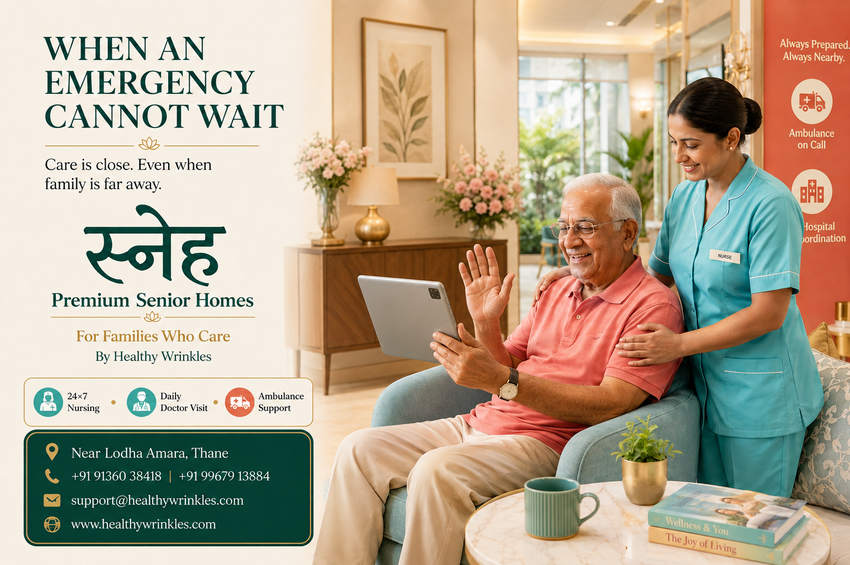
Why Choose Premium Senior Assisted Homes With Medical Emergency Support
22-08-26
When a Medical Emergency Cannot Wait: Why Premium Senior Homes Offer Peace of Mind
It was close to midnight in London when Varsha’s telephone rang.
The call was from a neighbour in Mumbai. Her 78-year-old father had suddenly felt dizzy while walking to the kitchen. He had managed to sit down before falling. Fortunately, his neighbour was visiting him at that moment. The neighbour called a nearby doctor and stayed with him until he felt better. It did not become a serious medical emergency.
But for Varsha, the next few hours were frightening.
She kept thinking:
- What if the neighbour had not been there?
- What if her father had fallen?
- Who would have called the ambulance?
- Who would have accompanied him to the hospital?
- Who would have explained his medical history?
The doctor felt that the episode was probably related to a temporary fall in blood pressure. Yet, for Varsha, the worry did not end with the doctor’s reassurance. This was not the first such incident. A few months earlier, her father had experienced breathlessness at night. On another occasion, he had forgotten to take an important medicine. Each time, a neighbour or relative had somehow helped. Varsha was grateful to them. But she knew that goodwill could not become a dependable emergency-response system.
Varsha’s story is illustrative, but it represents a situation faced by many families.
Living Independently Does Not Eliminate Medical Risk
Varsha’s father was otherwise independent. He could bathe, dress and eat without assistance. He managed his banking and spoke with his daughter regularly. He did not see himself as someone who needed “care.” Like many older adults, he wanted to continue living in his own home. However, independence and medical safety are not always the same.
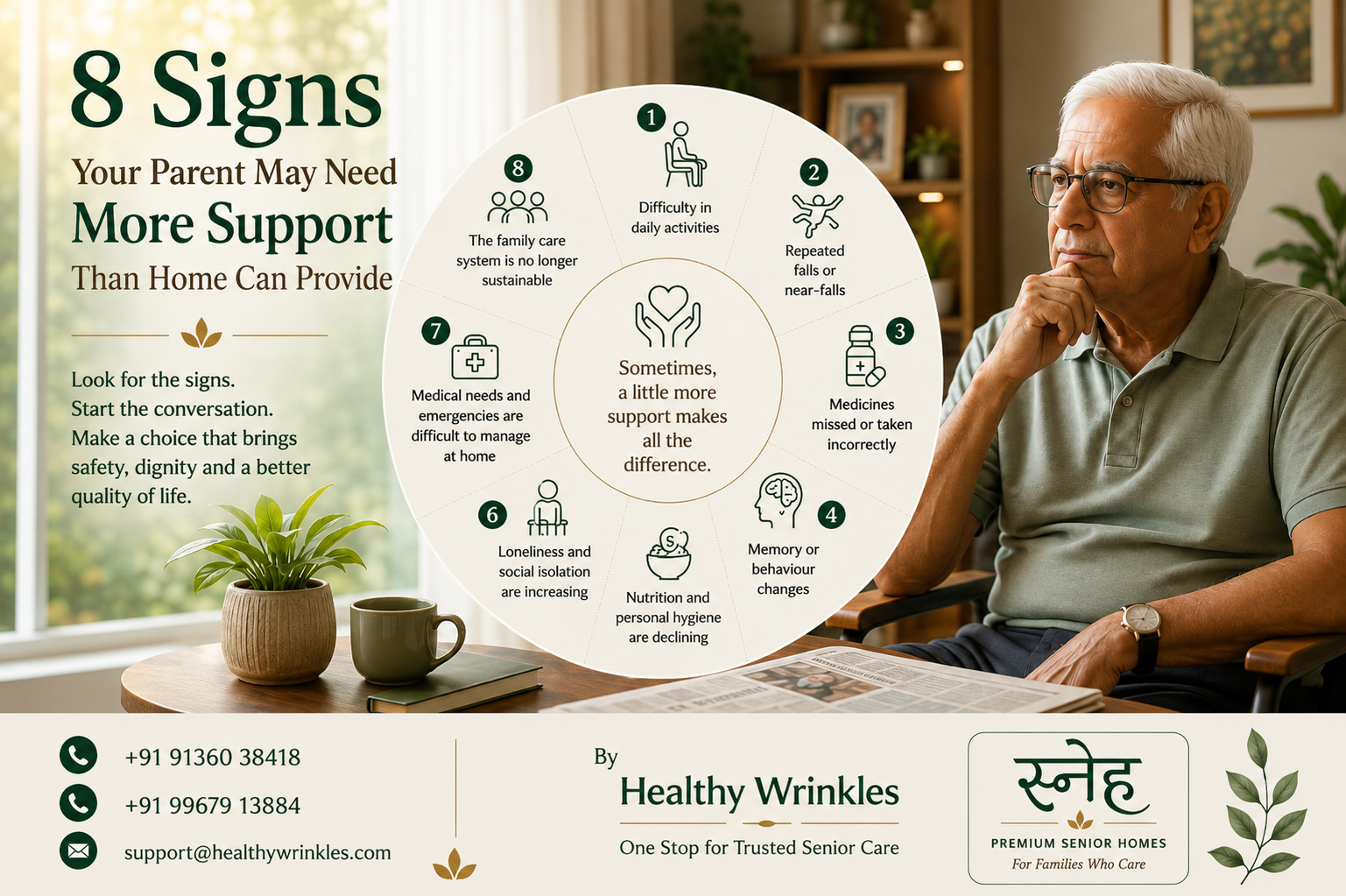
A senior may manage daily activities reasonably well but still be vulnerable during:
- A fall or injury
- Sudden breathlessness
- Chest discomfort
- Dizziness or loss of balance
- A sharp change in blood pressure or blood sugar
- Confusion or disorientation
- An adverse reaction to medicine
- Fever, infection or dehydration
- A medical problem during the night
In such situations, the first few minutes can be important. The real question is not only whether the senior can live independently. It is whether trained help can reach the senior immediately when something goes wrong.
Why an Emergency Contact List May Not Be Enough
Many families believe they have prepared for emergencies because important telephone numbers are saved on the parent’s mobile phone.
They may have the numbers of:
- A nearby relative
- A trusted neighbour
- The family doctor
- An ambulance provider
- A local hospital
- A domestic helper
These contacts are certainly useful. But a list of telephone numbers is not the same as an emergency protocol. The senior must first recognise that something is wrong. He or she must be able to reach the phone, make the call and explain the situation. The person receiving the call must also be available.
Neighbours may be travelling. Relatives may live on the other side of Mumbai. Domestic helpers may not be present at night. An ambulance may arrive, but someone must still coordinate the hospital admission and inform the family.
For a daughter sitting in London, Dubai or the United States, managing all this over the phone can be extremely difficult. Distance turns every unexpected call into a source of anxiety.
The Emotional Cost of Constant Worry
Children living away from their parents often carry a quiet emotional burden. They may have the financial resources to provide good care. They may call their parents every day. They may arrange medicines, doctor appointments and domestic help.
Yet, they cannot be physically present at the moment an emergency occurs. This can produce anxiety and guilt. Parents may also minimise their difficulties because they do not want to worry their children. A reassuring video call may hide weakness, irregular medication or a recent fall.
- The issue, therefore, is not a lack of concern.
- It is the absence of a dependable local care system.
When Home Care Can Be a Suitable Solution
Home care can work well when the senior is medically stable and comfortable receiving support.
A suitable home-care arrangement may include:
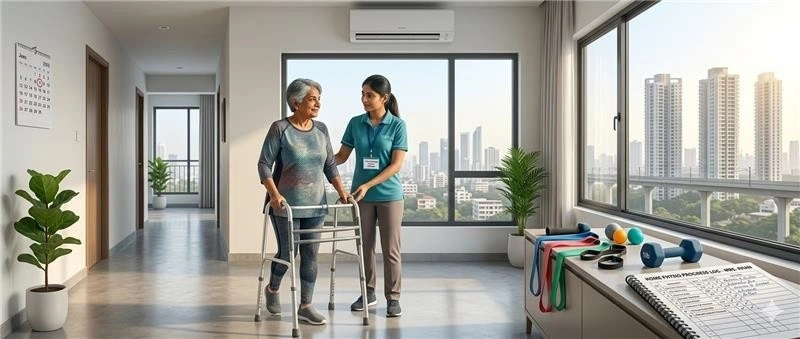
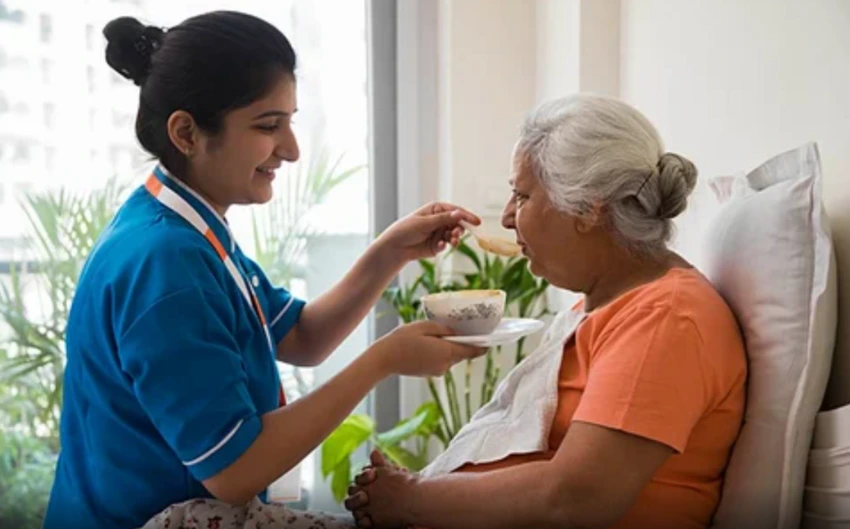
- A trained caretaker
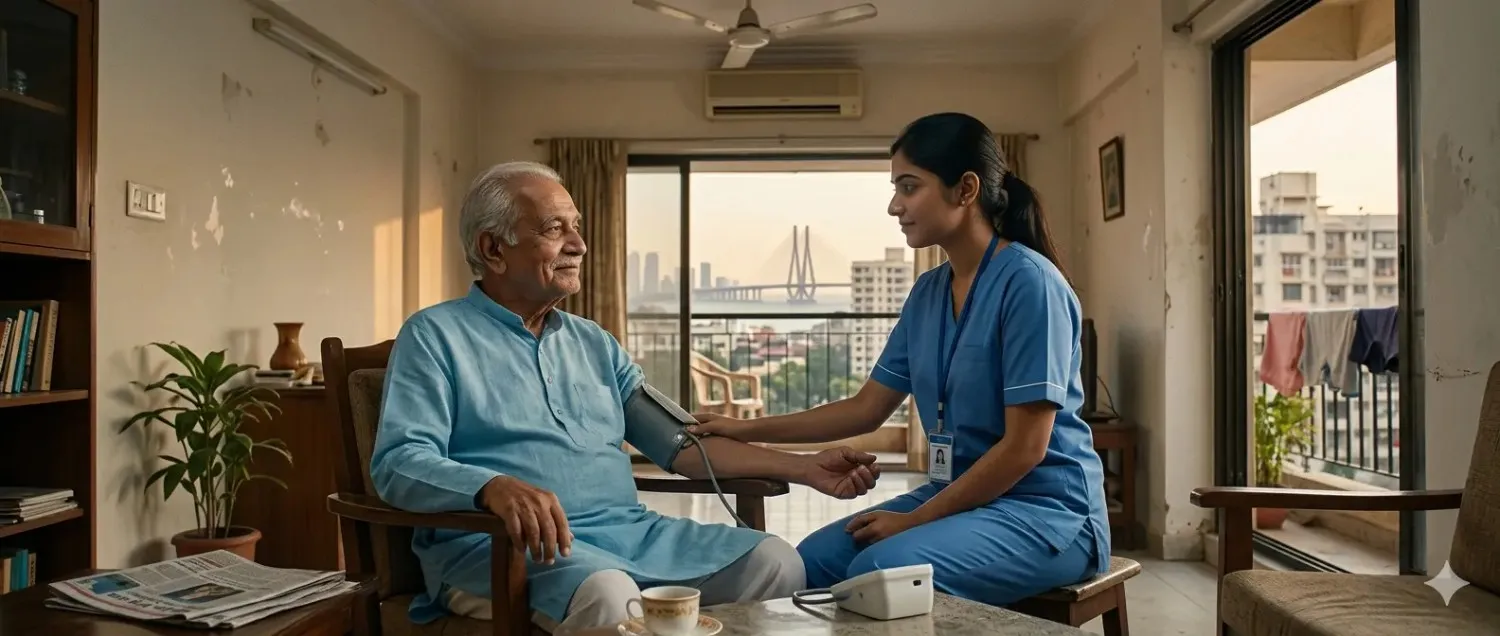
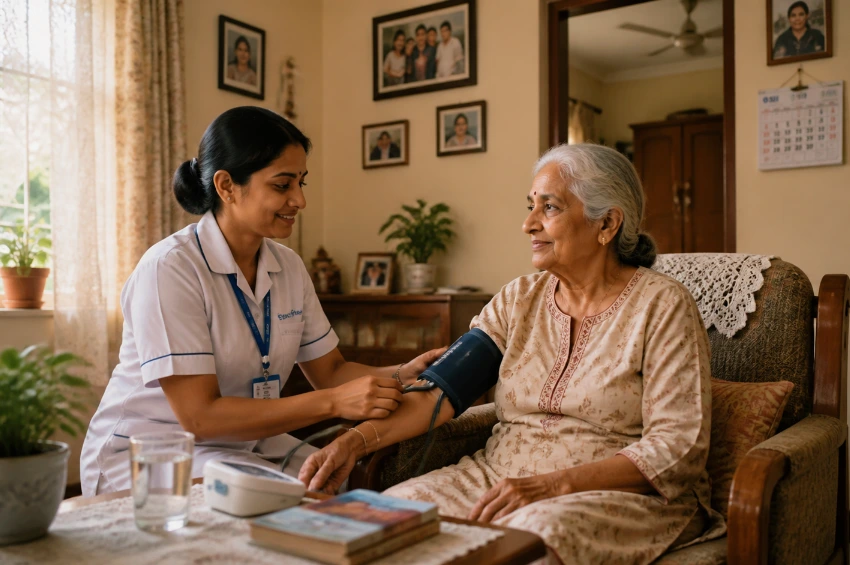
- Nursing visits
- Regular doctor consultations
- Medicine-management support
- Physiotherapy
- Monitoring of vital parameters
- Diagnostic services at home
- Emergency contacts and hospital coordination
Healthy Wrinkles – One Stop for Trusted Senior Care can help families understand and coordinate such services according to the senior’s needs.
However, even a well-planned home-care arrangement has limitations.
- A caretaker may not be medically trained.
- A visiting nurse may not be present when an emergency occurs.
- The doctor may take time to reach the home.
- Domestic staff may change frequently.
If the senior is repeatedly becoming unwell, falling, forgetting medicines or feeling unsafe at night, the family may need a more structured solution.
That is when Senior Assisted Living or a professionally managed premium senior home should be considered.
How Premium Senior Homes Improve Emergency Preparedness
A well-managed premium senior home is not simply a comfortable place to stay. It creates a coordinated care environment around the senior. The key advantage is that the senior does not have to manage an emergency alone.
1. 24×7 Nursing Availability
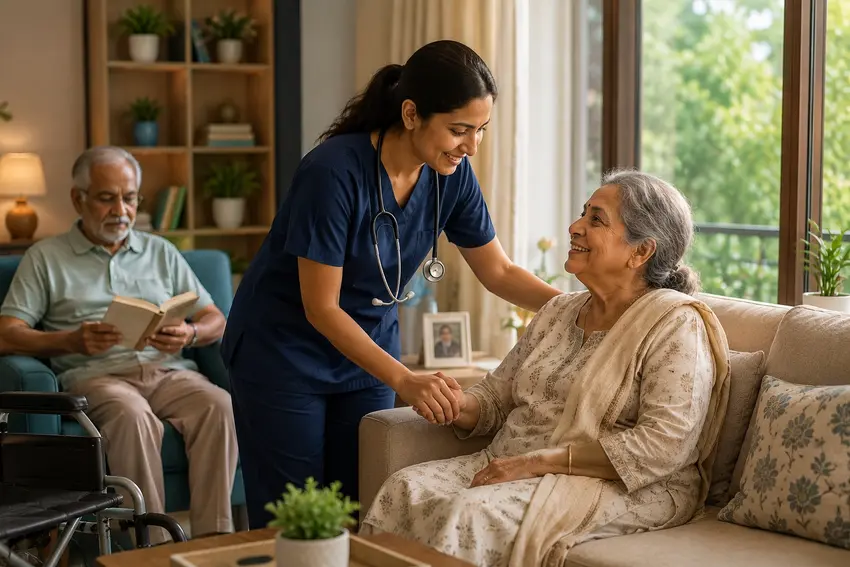
The presence of nursing support throughout the day and night provides an immediate first level of response.
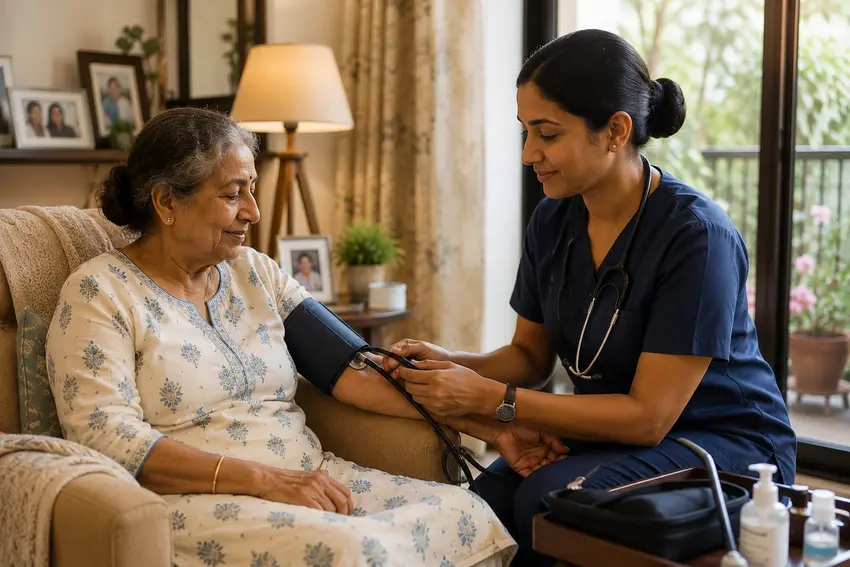
A nurse can assess the situation, check vital parameters, provide permitted first-line support and determine whether further medical intervention is necessary.
This is very different from waiting for a neighbour or relative to arrive.
2. Daily Doctor Visits
Regular doctor visits help identify health changes before they become emergencies.
The doctor can review symptoms, medicines, blood pressure, blood sugar and other concerns. Because the care team observes the resident regularly, unusual changes can be communicated early.
Daily medical oversight also helps create familiarity with the senior’s health history.
3. Ambulance Support
In an emergency, arranging transportation should not depend on a family member making multiple calls from another country.
Access to ambulance support can reduce avoidable delay and help the senior reach an appropriate hospital quickly.
4. Tie-up With a Local Hospital
A hospital tie-up can make emergency coordination more organised.
The senior home should know:
- Which hospital should be contacted
- Whom to call
- How the resident will be transported
- What medical information must accompany the resident
- Who will update the family
- Who will remain responsible until the family or nominated relative takes over
A hospital tie-up should not remain only a name in a brochure. Families should ask how the arrangement works in practice.
A Written Emergency-Response Protocol
An effective emergency system requires clearly assigned responsibilities.
The protocol should cover:
- 1. Recognising and reporting the emergency
- 2. Immediate nursing assessment
- 3. Contacting the doctor
- 4. Calling the ambulance when required
- 5. Informing the hospital
- 6. Sharing medical and medication records
- 7. Informing the nominated family members
- 8. Documenting the incident
- 9. Providing follow-up care after the resident returns
This coordination is particularly valuable for children who live outside India.
What Makes a Senior Home Truly “Premium”?
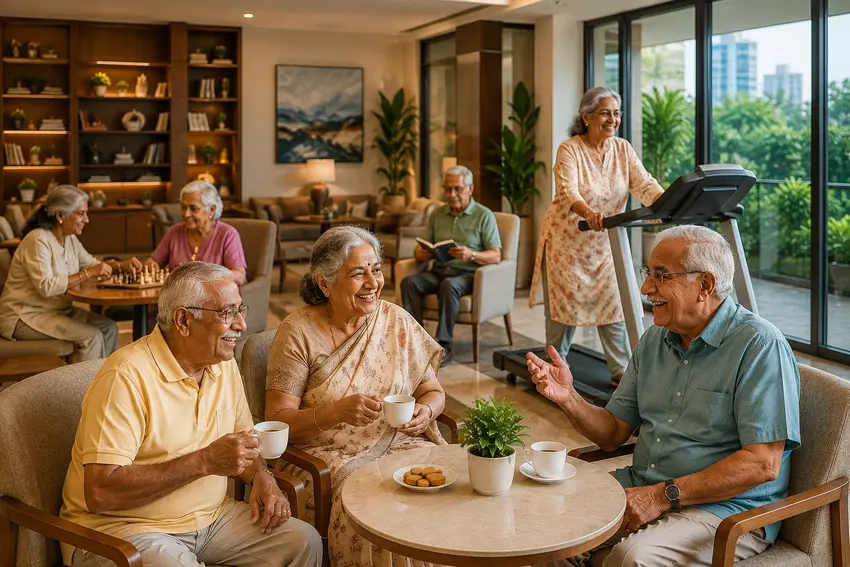
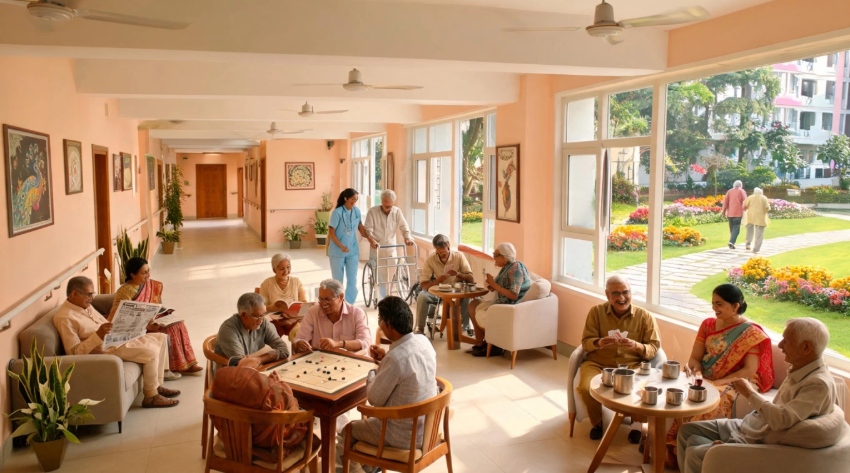
Families searching online for Premium Senior Homes, Senior Old Age Homes or Senior Assisted Living will find many alternatives. Some facilities may have attractive rooms, modern furniture and impressive common areas. These features are valuable. However, premium senior living should not be judged only by its interiors.
A genuinely premium senior home should combine comfort with:
- 24×7 responsive care
- Trained and respectful team members
- Medical supervision
- Clear emergency protocols
- Nutritious meals
- Medicine management
- Assistance with daily activities
- Housekeeping and hygiene
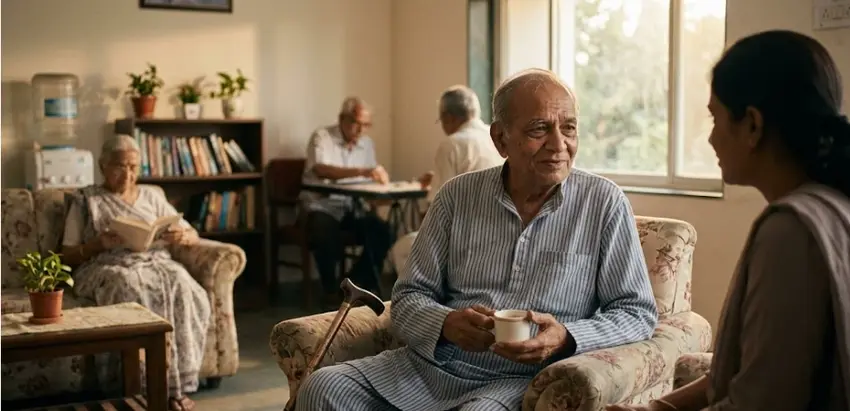
- Recreation and companionship
- Regular communication with families
- Respect for privacy, preferences and dignity
Luxury is not only a beautiful room. For an older person, luxury also means knowing that help is nearby at two o’clock in the morning.
For the family, it means knowing that one telephone call will activate a coordinated response.
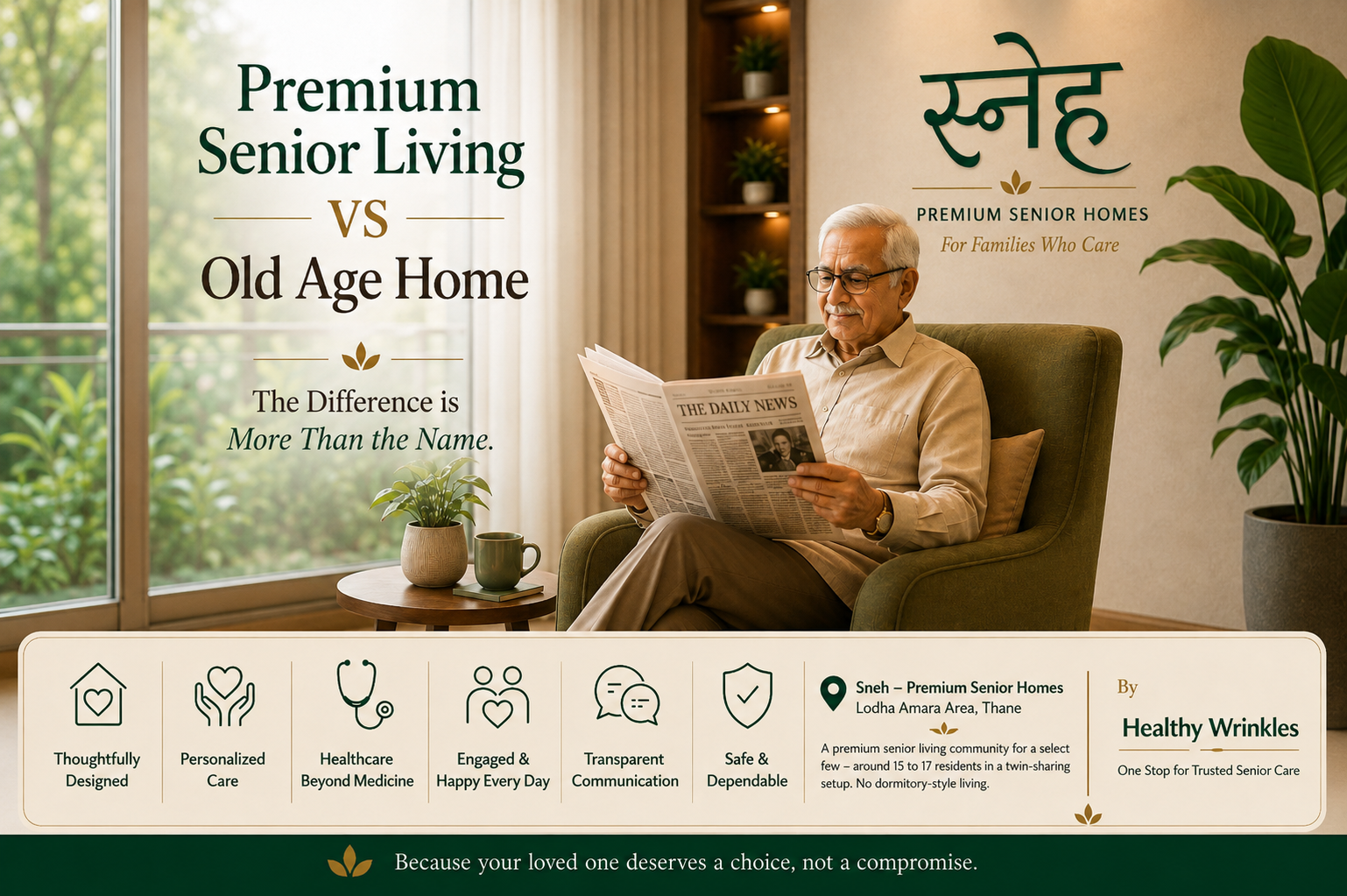
Sneh – Premium Senior Homes in Thane
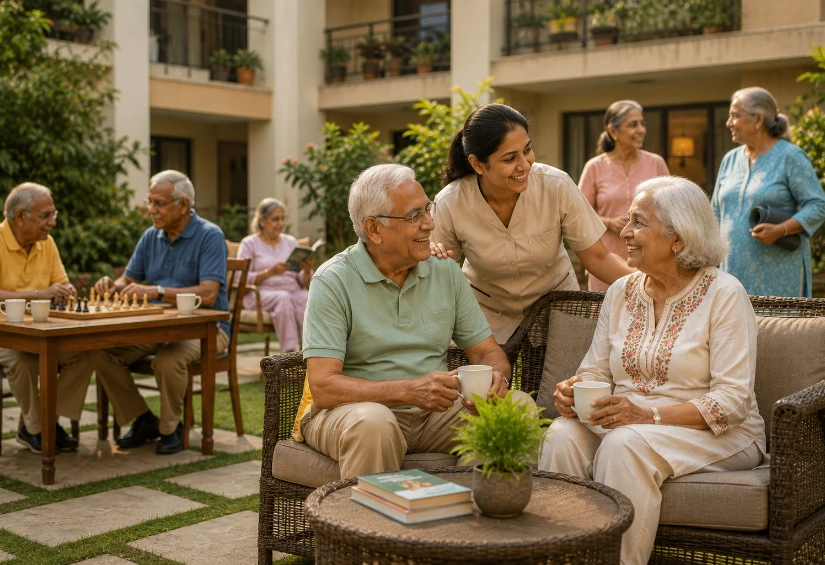
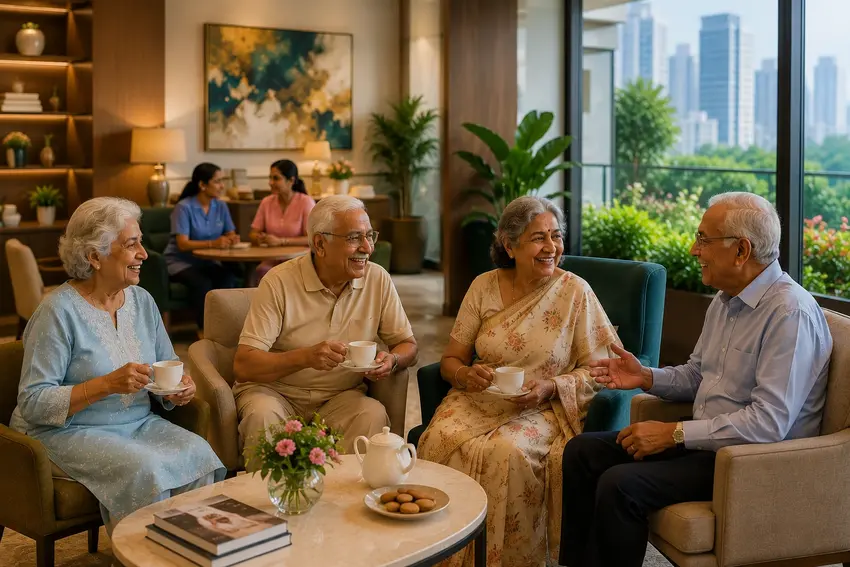
Sneh – Premium Senior Homes in Thane has been conceptualised for families who want their elders to receive comfort, companionship and dependable care within a homelike setting.
The support system includes:
- Nursing availability 24×7
- Daily doctor visits
- Ambulance support
- Tie-up with a nearby hospital
- A defined emergency-response protocol
- Assistance with medicines and daily needs
- Regular health observation
- Communication with family members
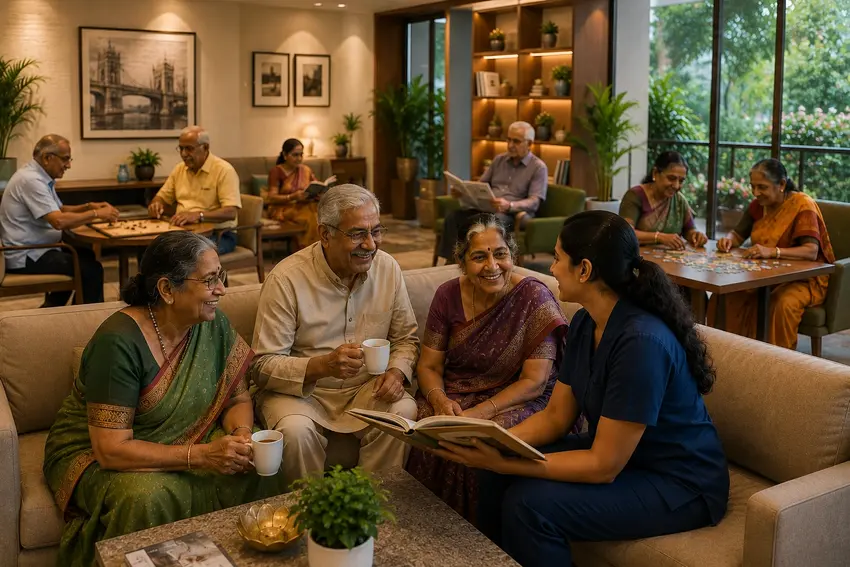
- Comfortable living and meaningful engagement
Located near Lodha Amara Thane, Sneh can be considered by families exploring Premium Senior Homes in Thane, Senior Assisted Living in Thane, Assisted Living in Mumbai, Premium Assisted Living near Mulund or senior-care options accessible from Navi Mumbai.
For families considering luxury old age homes in Mumbai or luxury old age homes in Thane, the most important question should be:
“If my parent requires help suddenly, what exactly happens next?”
The quality of the answer reveals more than the appearance of the building.
How Families Should Evaluate Emergency Readiness
Before choosing a senior home, ask specific questions:
- Is a trained nurse physically available 24×7?
- How frequently does a doctor visit?
- What happens if a resident becomes unwell at night?
- Is ambulance support available?
- Which hospital is the facility connected with?
- Who accompanies the senior to the hospital?
- How quickly is the family informed?
- Are medical and medication records readily available?
- Is written consent taken for emergency decisions?
- What happens after the resident returns from hospital?
- Are emergency drills conducted?
- Is every incident documented and reviewed?
Families should request a clear explanation rather than accepting general statements such as “medical support is available.”
Starting the Conversation With a Parent
A father like Varsha’s may initially resist the idea of moving into a senior home.
The conversation should not begin with:
- “You cannot live alone anymore.”
Instead, Varsha could say:
- “Baba, I want you to remain independent. But I also want trained help to be immediately available if you feel unwell.”
This changes the discussion. The purpose is not to take control away from the parent. It is to reduce avoidable risk. Families can visit the home together, meet the care team and understand the daily routine.
A short trial stay may help the senior experience the environment before making a longer-term decision.
Preparedness Brings Peace of Mind
No care arrangement can guarantee that a medical emergency will never occur. But a strong care system can ensure that the senior is not left to face it alone.
For Varsha, the real benefit of a premium senior home would not simply be a comfortable room for her father.
It would be knowing that:
- A nurse is available
- A doctor visits regularly
- An ambulance can be arranged
- A hospital is prepared to receive him
- A trained team knows what to do
- She will be informed promptly
Family may be far away. Help should not be.
Sneh – Premium Senior Homes offers families a combination of comfort, dignity, companionship and medical preparedness—because responsible senior care begins before an emergency occurs.
Contact Healthy Wrinkles To understand whether home care or a premium senior home is suitable for your parent, contact:
Healthy Wrinkles – One Stop for Trusted Senior Care
Sneh – Premium Senior Homes
Near Lodha Amara, Thane
Phone: +91 91360 38418 | +91 99679 13884
Email: support@healthywrinkles.com
Website: www.healthywrinkles.com
Frequently Asked Questions
1. Is assisted living suitable for independent senior citizens?
Yes. Assisted living can also benefit independent seniors who want security, regular meals, social engagement and immediate access to help.
2. How can NRIs monitor the care of parents from abroad?
Families should agree on regular updates, video calls, health reports and an emergency communication protocol with the care provider.
3. What is the difference between home care and assisted living?
Home care brings support to the senior’s existing residence. Assisted living provides accommodation, daily assistance, meals, social engagement and coordinated support within a managed senior community.
4. Can parents stay temporarily before making a final decision?
Many senior homes offer respite or trial stays. This can help parents and children evaluate whether the arrangement is suitable.