













Premium Senior Homes in Thane Supporting Senior Nutrition
27-08-26
When Seniors Living Alone Stop Eating Well: Why Nutrition, Attention and Company Matter
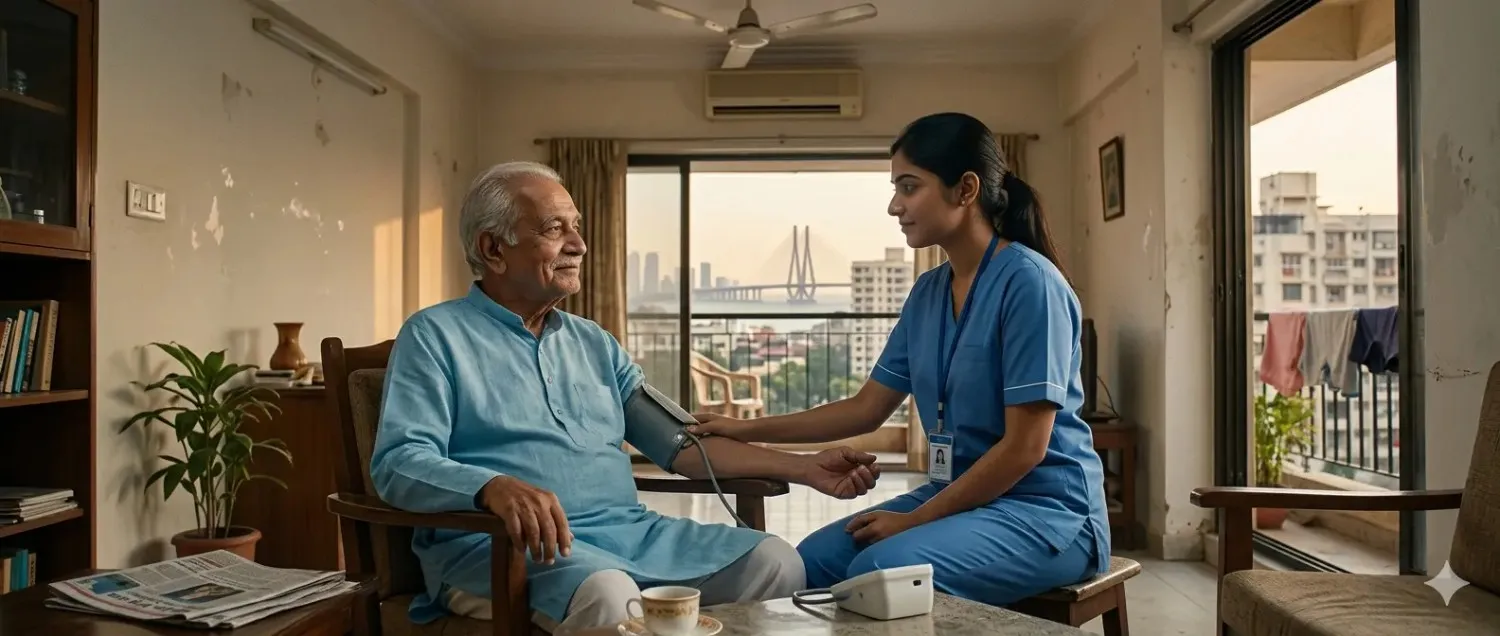
Every evening, Ananya called her 77-year-old father in Mumbai.
Ananya lived in Bengaluru with her husband and children. Her father had continued living alone after her mother passed away. He valued his independence and preferred remaining in the home where he had spent many happy years.
During their calls, Ananya would regularly ask, “Papa, did you have dinner?”
His answer was almost always reassuring. “Yes, beta. Don’t worry. I have eaten.”
But the feedback from the domestic helper was different. “Uncle ate only two spoons of dal today.” “Half the lunch is still on the table.” “Uncle said he was not hungry.” “Yesterday, he had only tea and biscuits in the evening.”
Initially, Ananya thought these were occasional incidents. Her father had never been a big eater. But gradually, she noticed other changes. His shirts appeared looser during video calls. He seemed tired. He was walking more slowly. He had stopped showing interest in foods he had once enjoyed.
Ananya arranged a meal-delivery service. Fresh food began arriving at his home every day. But the problem continued. The food was available. Her father was simply not eating enough.
This is not only story of Ananya but could be of yours too. It reflects the experience of many families whose ageing parents live alone.
Food Availability Does Not Always Ensure Good Nutrition
Families often believe that the nutritional needs of a senior are being managed if food is cooked at home or delivered regularly. But good nutrition involves more than placing a meal on the table.
The food must be suitable for the senior. It must be fresh, appealing and easy to eat. More importantly, someone should notice whether the senior actually finishes the meal.
A senior living alone may skip food for several reasons:
- Reduced appetite
- Loneliness or low mood
- Difficulty in cooking
- Fatigue
- Dental or swallowing problems
- Changes in taste or smell
- Constipation or digestive discomfort
- Difficulty shopping for groceries
- Medicines that affect appetite
- Memory-related problems
- Lack of interest in eating alone
After the loss of a spouse, mealtimes can become emotionally difficult. The dining table may remind the senior of the person with whom meals were shared for several decades. Cooking for one can also feel burdensome. As a result, breakfast may become only a cup of tea. Lunch may be postponed. Dinner may be replaced with biscuits, bread or leftovers.
These small compromises can gradually lead to a significant decline in nutritional status.
Why Nutrition Becomes More Important with Age
The human body changes with age. Older adults may need fewer calories because their activity levels have reduced. However, they continue to need good-quality protein, vitamins, minerals, fibre and adequate fluids. Protein is particularly important for maintaining muscles.
If a senior consistently eats too little protein and too little food overall, muscle strength may decline. This can contribute to weakness, poor balance and an increased risk of falls.
Poor nutrition may also lead to:
- Unintended weight loss
- Loss of muscle mass
- Frailty
- Lower immunity
- Delayed recovery from illness
- Poor wound healing
- Reduced energy
- Greater dependence on others
- More frequent hospitalization
- Slower recovery after hospitalization
Malnutrition is not limited to seniors who appear extremely thin. A person who looks reasonably well can still have deficiencies or inadequate protein intake. Good nutrition is, therefore, not simply about satisfying hunger. It supports mobility, immunity, recovery and independent living.
Warning Signs Families Should Not Ignore
Children living in another city or country may find it difficult to assess what their parents are actually eating. A short telephone call may not reveal the full situation. Even during a video call, parents may minimise their problems because they do not want their children to worry.
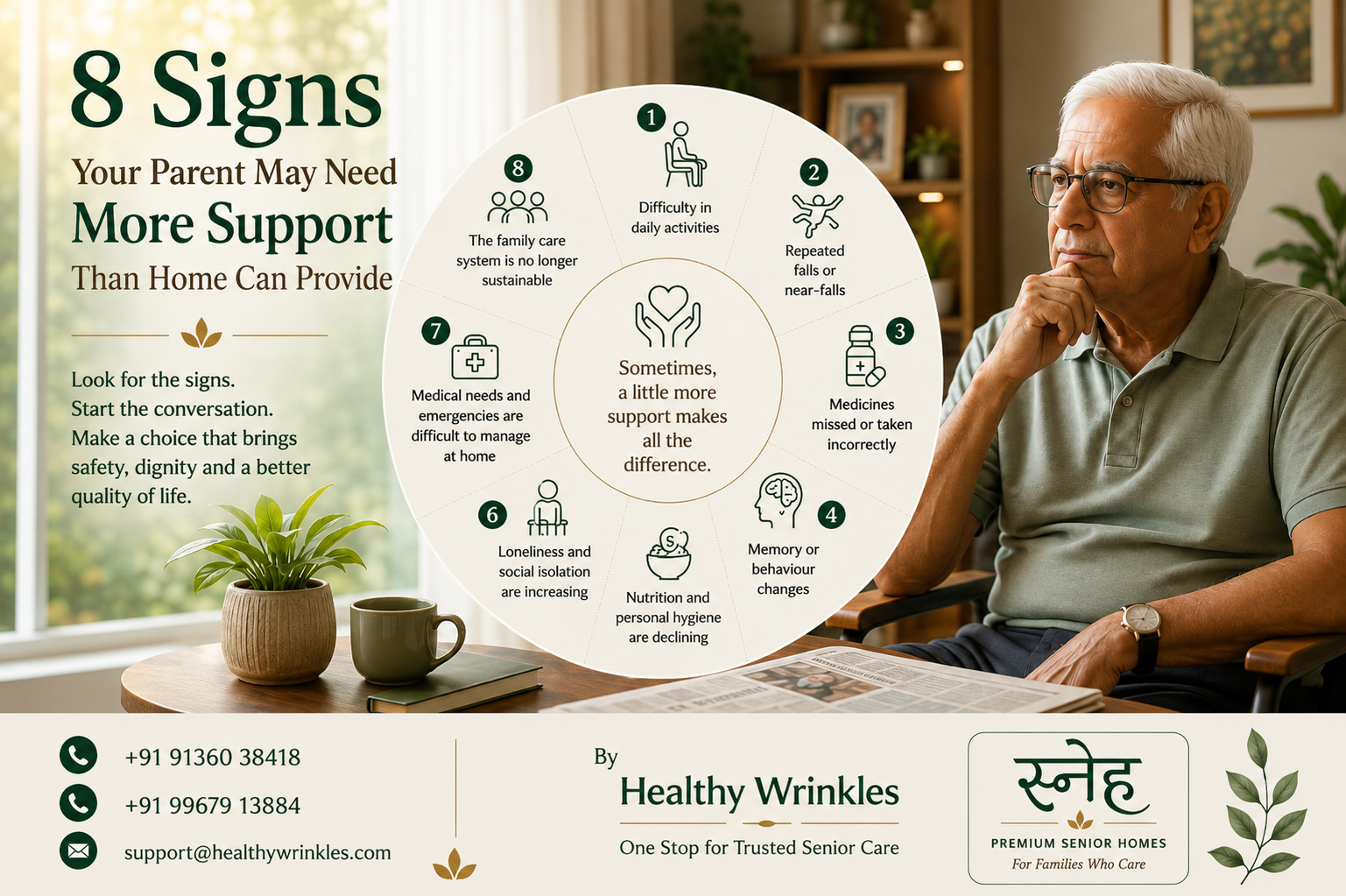
Families should pay attention to signs such as:
- Clothes becoming loose
- Visible weight loss
- Reduced interest in food
- Frequently unfinished meals
- An empty refrigerator
- Spoiled food remaining at home
- Increasing dependence on tea, biscuits or packaged snacks
- Weakness or repeated dizziness
- Difficulty opening containers or cutting food
- Forgetting whether a meal was eaten
- Reduced ability to cook
- Dehydration or constipation
- Repeated infections
- Slow recovery from minor illnesses
- Increasing falls or loss of balance
Unexplained weight loss, persistent loss of appetite or difficulty in swallowing should be discussed with a doctor. Poor eating may sometimes be connected with an underlying medical, dental, emotional or medication-related problem.
Why Meal Delivery May Solve Only Part of the Problem
Ananya had ensured that nutritious food reached her father’s home.
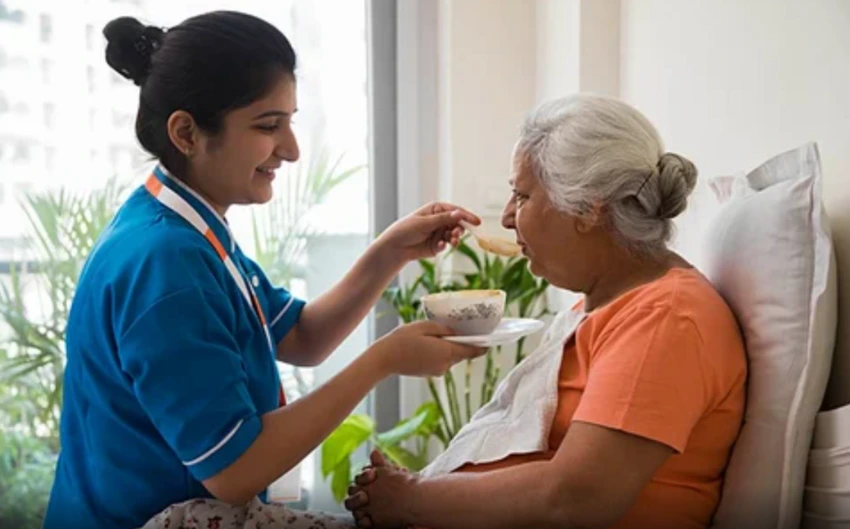
Still, nobody was present to encourage him to sit at the table. Nobody noticed when the food remained untouched. Nobody could tell whether he had eaten enough protein, vegetables or fruit during the day.
Meal delivery solves the problem of access. It does not necessarily solve the problems of appetite, attention and companionship.
The same limitation may apply to food prepared by a domestic helper. The helper may cook and leave. The senior may eat later, eat very little or not eat at all.
For a person living alone, the missing ingredient may not be another dish. It may be another person at the table.
Eating Together Can Make a Meaningful Difference
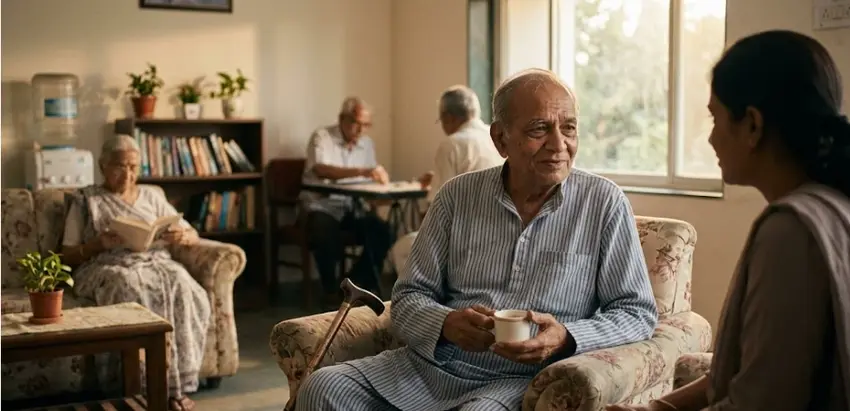
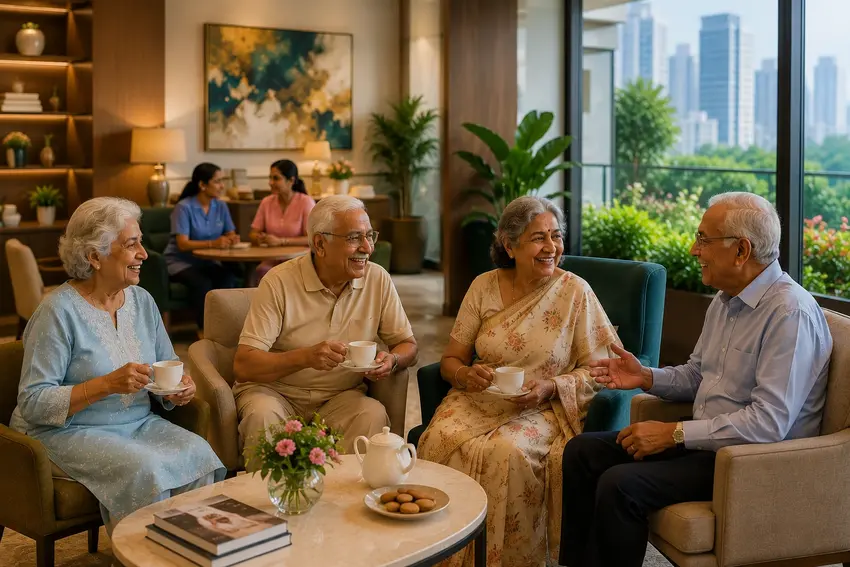
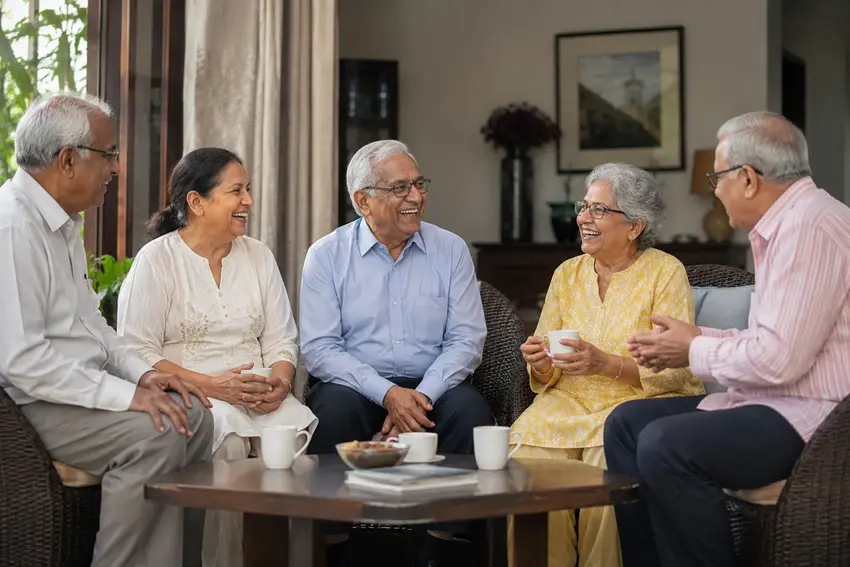
Meals are not only nutritional events. They are also social events. Conversation, routine and companionship can make eating more enjoyable. When other people gather at the dining table, a senior may be more willing to eat regularly and try different foods.
Shared meals can provide:
- A fixed daily routine
- Encouragement to come to the dining area
- Greater interest in food
- Social interaction
- Observation of how much the senior eats
- Early identification of changing appetite
- A stronger sense of belonging
Someone asking, “Would you like a little more dal?” may appear to be a small gesture. But for a senior who has been eating alone for months, that attention can matter greatly.
How Premium Senior Homes Support Better Nutrition
A professionally managed Premium Senior Home can create a more dependable nutritional environment around an older person.
The advantage comes from three connected forms of support.
1. Someone Notices
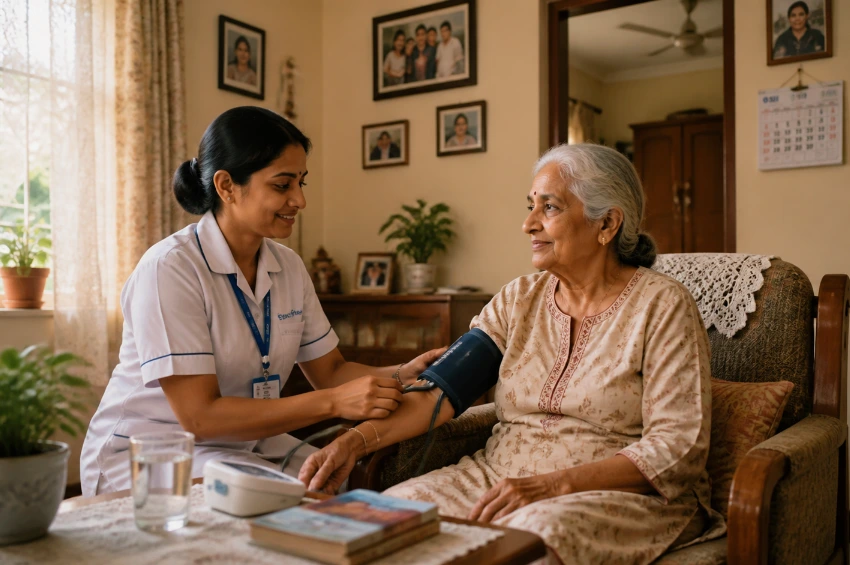
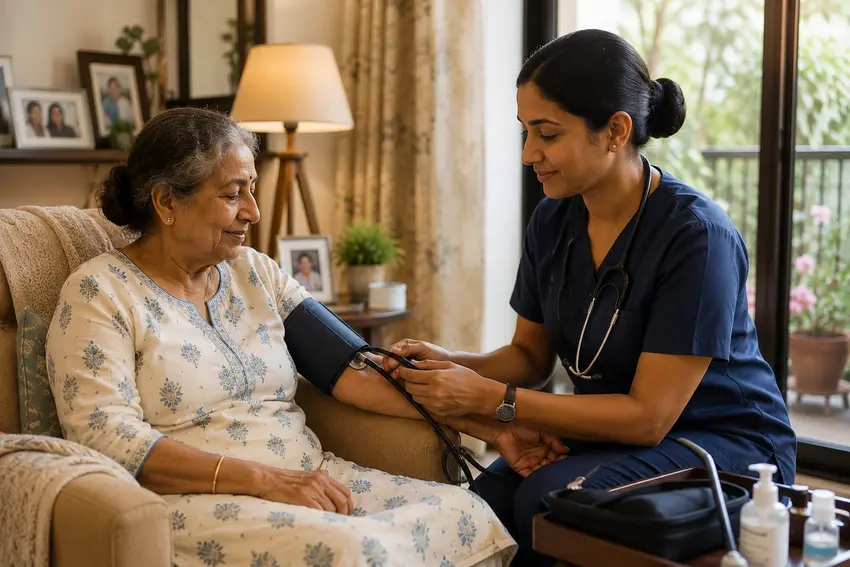
When a senior lives alone, skipped meals can remain unnoticed. In a well-managed senior home, the team can observe whether the resident comes for meals and whether there is a significant change in appetite or food intake.
If a normally active resident begins avoiding meals, the change can be noticed and communicated. This does not mean taking away the resident’s independence. It means ensuring that important changes do not remain invisible.
2. Fresh Food Is Regularly Available
A structured senior-living environment can provide:
- Morning and evening tea
- Breakfast
- Lunch
- Healthy snacks
- Dinner
- Drinking water and other suitable fluids
Regular availability reduces dependence on cooking, ordering food or reheating leftovers.
Menus can provide variety while taking into account the needs and preferences of seniors. Where medically advised, individual requirements can also be considered in consultation with the family and healthcare professionals.
3. Meals Come with Company
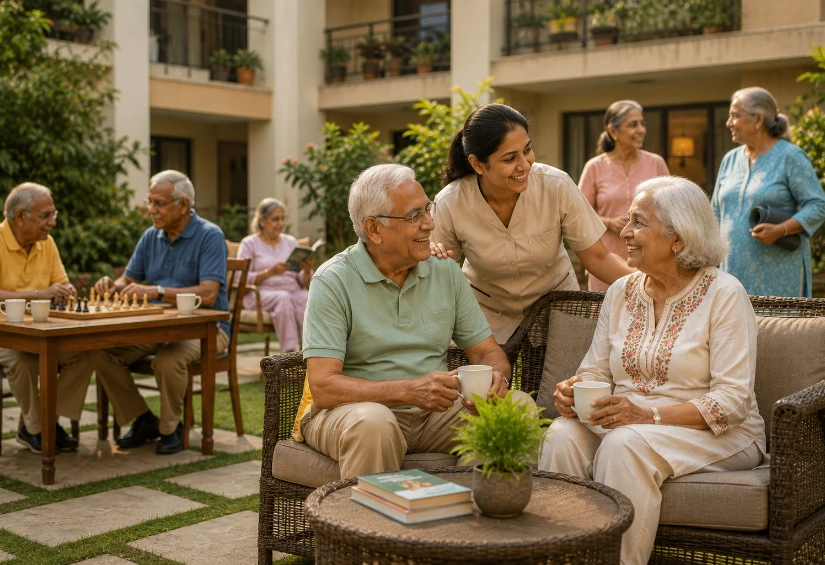
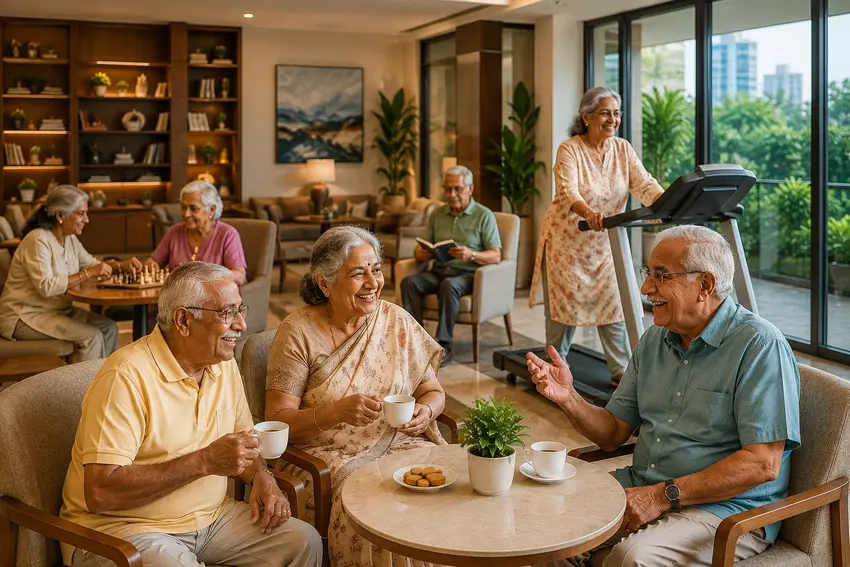
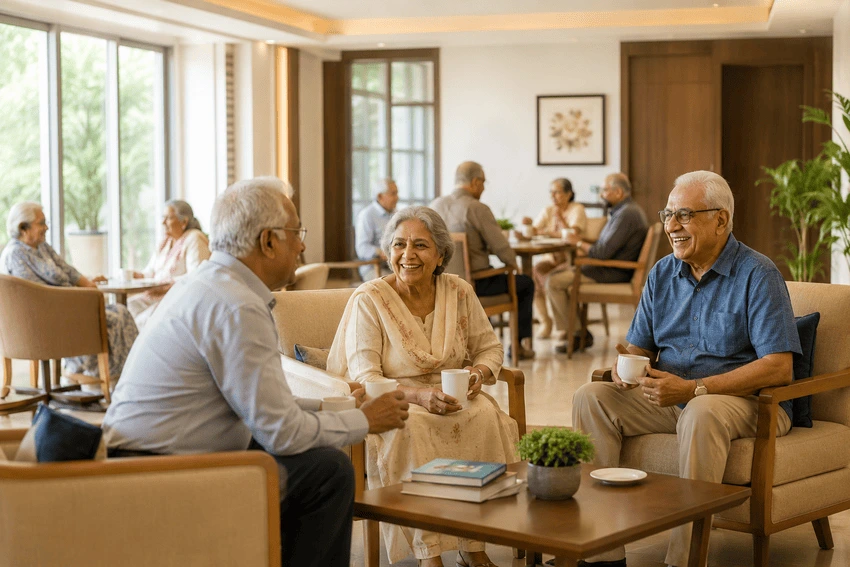
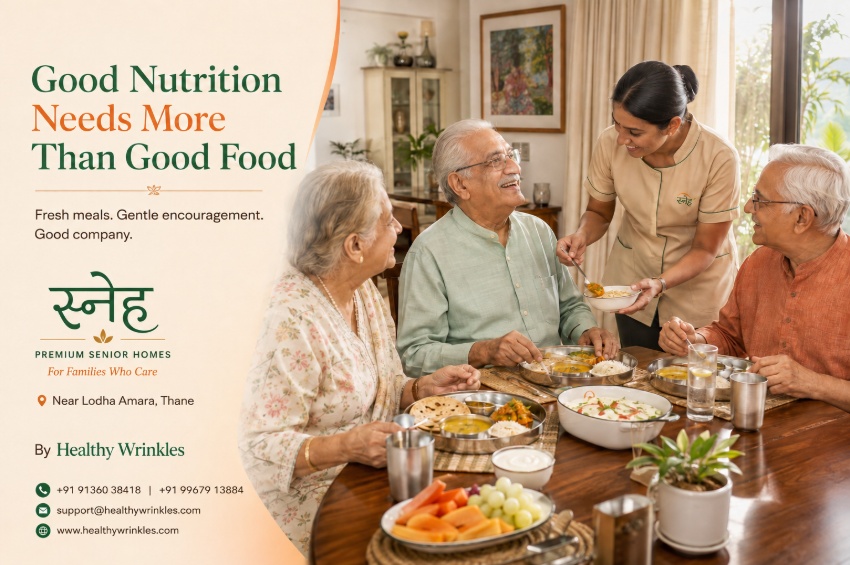
A shared dining area allows residents to eat with others.
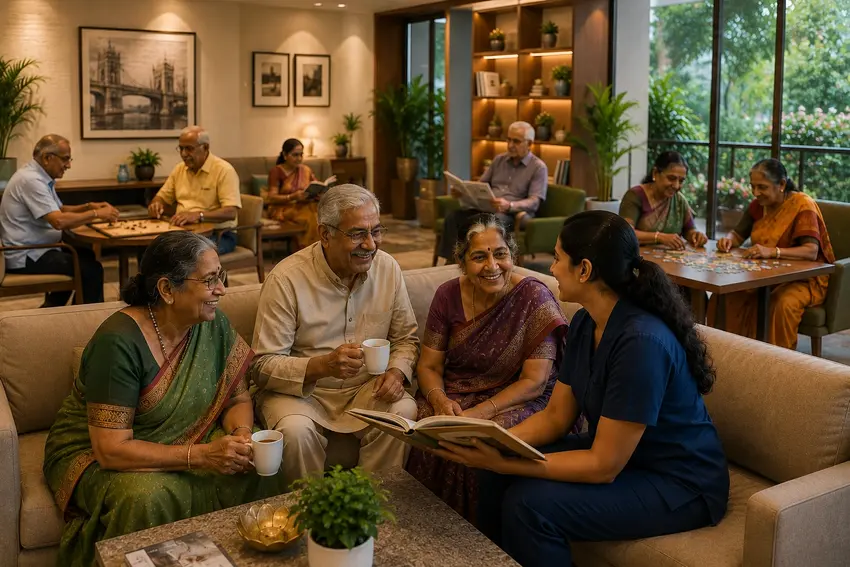
The meal becomes part of the day rather than a task to be completed alone. Seniors can talk, exchange stories and enjoy familiar food together. This sense of companionship can improve interest in meals and add structure to everyday life.
Good Nutrition Still Requires Personal Attention
Simply serving three meals does not automatically ensure good nutrition.
A quality Senior Assisted Living facility should understand that every resident is different.
One senior may prefer soft food. Another may need assistance cutting rotis or opening a container. Someone may eat slowly. A resident with diabetes, kidney disease or another medical condition may need a diet recommended accordingly.
Families should ask:
- How are menus planned?
- Is fresh food prepared regularly?
- Is there adequate protein in the daily menu?
- Are medical dietary instructions followed?
- What happens when a resident repeatedly leaves food unfinished?
- How is weight loss identified?
- How are families informed about a change in appetite?
- Is medical advice obtained when poor eating continues?
A premium environment should combine good food with observation, responsiveness and respect for individual preferences.
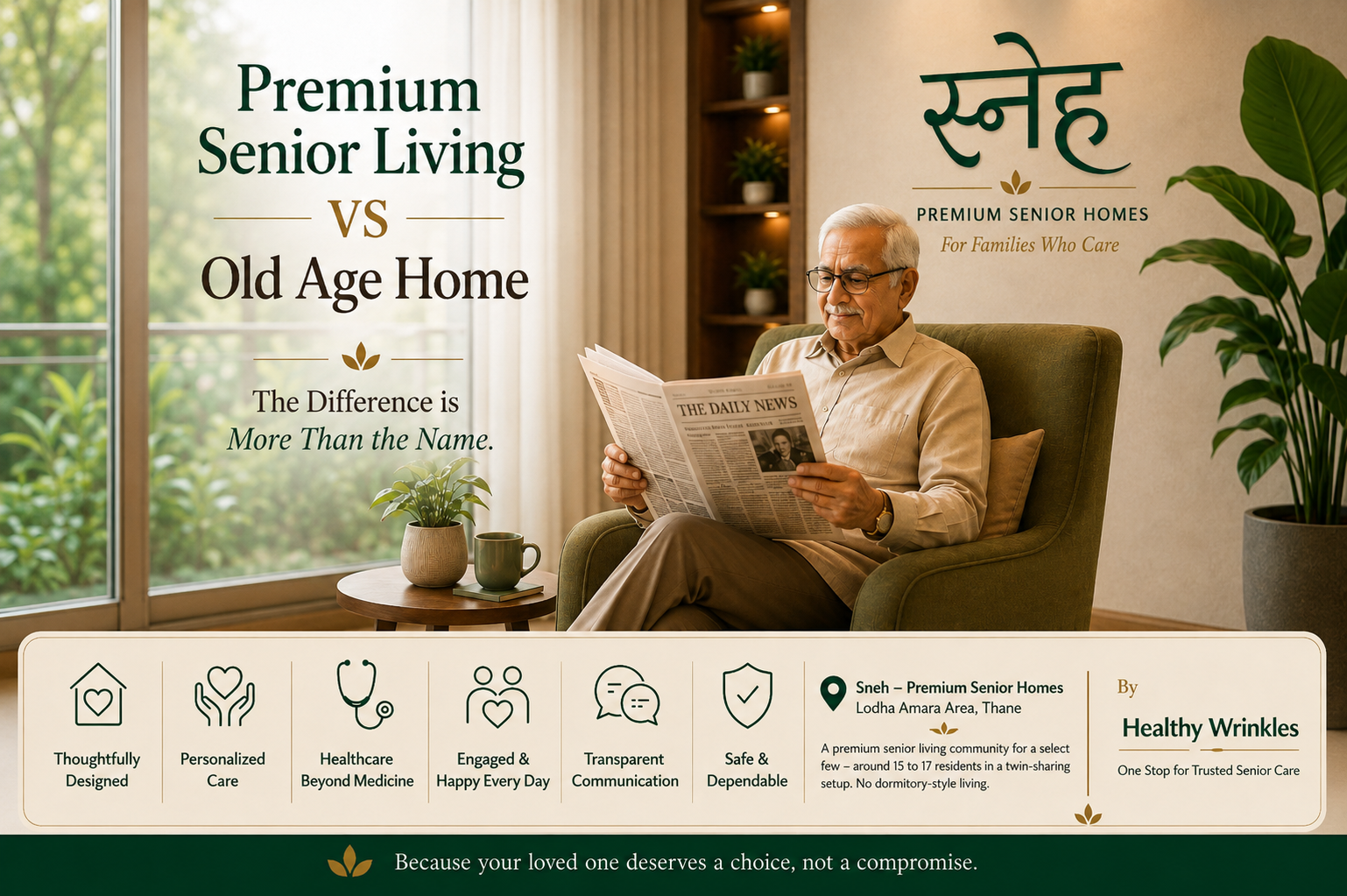
Sneh – Premium Senior Homes Near Lodha Amara, Thane
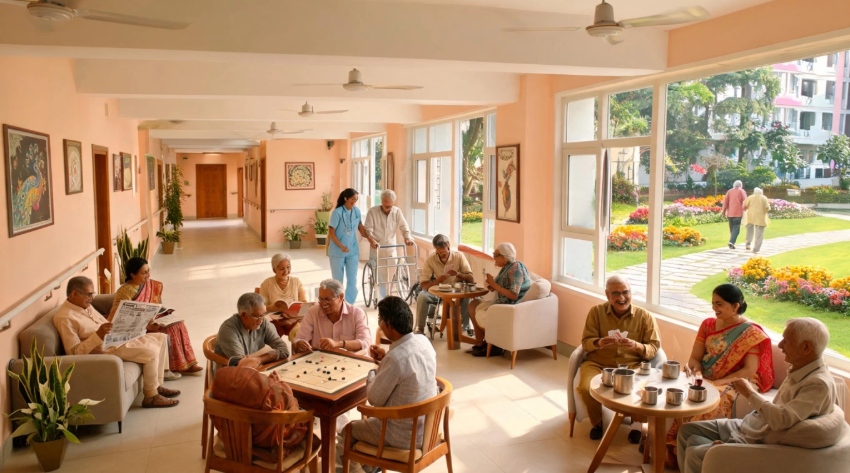
Sneh – Premium Senior Homes is designed around the understanding that seniors need more than accommodation.
They need a warm home, dependable support, meaningful company and a daily routine that promotes better living.
At Sneh, residents have access to regular meals, tea and snacks within a comfortable, homelike environment. The shared dining experience can encourage seniors to eat with greater interest while enjoying conversation and companionship.
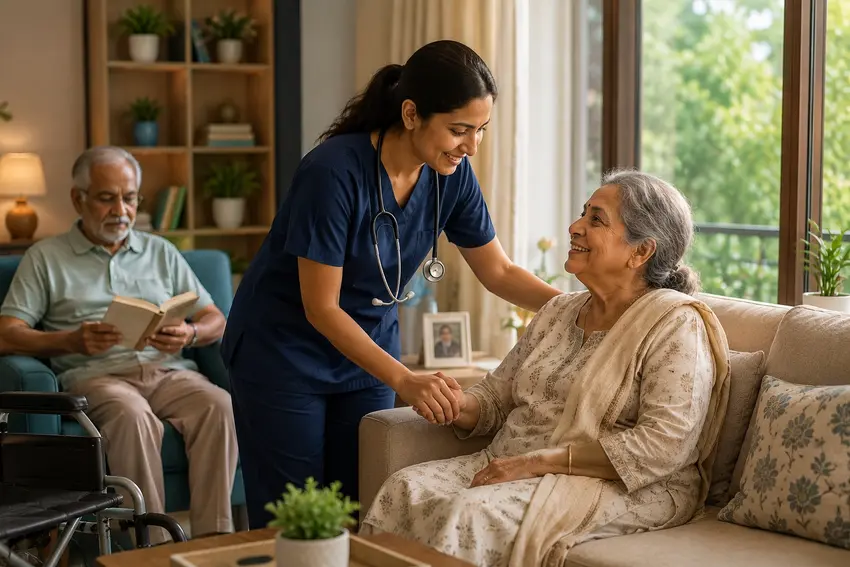
The aim is not to control what an independent senior eats. It is to make fresh food easily available, offer gentle attention and ensure that concerning changes do not go unnoticed.
Located Near Lodha Amara, Thane, Sneh can be considered by families searching for:
- Premium Senior Homes in Thane
- Senior Assisted Living in Thane
- Premium Assisted Living near Mumbai
- Premium Assisted Living near Mulund
- Senior Old Age Homes near Mumbai
- Senior Homes accessible from Navi Mumbai
- Premium senior living for parents staying alone
Healthy Wrinkles – One Stop for Trusted Senior Care can also help families understand whether home-based services or a professionally managed senior home would be more appropriate for their parent.
How Ananya Could Discuss the Change with Her Father
Ananya’s conversation with her father should not begin with: “You are not eating properly, so you cannot live alone.”
That may make him defensive or give him the feeling that decisions are being imposed upon him.
She could begin differently:
“Papa, I know you value your independence. I am only concerned that eating alone has become tiring and uninteresting. What if you had fresh meals without having to plan them - and people to share the dining table with?”
The focus should remain on comfort, convenience, companionship and better health.
Good Food. Gentle Attention. Good Company.
For Ananya, peace of mind would not come merely from knowing that a food container had reached her father’s home.
It would come from knowing that:
- Fresh meals are available
- Someone notices whether he eats
- He receives gentle encouragement
- Health changes are not ignored
- He does not have to eat alone
- Mealtimes once again become enjoyable
Nutrition in later life is not only about calories, proteins and vitamins. It is also about routine, attention, dignity and companionship.
Food can be delivered to a home. But sometimes, it takes a caring home to bring back the desire to eat.
Contact Healthy Wrinkles
To understand whether home care or premium senior living may be suitable for your parent, contact:
Sneh – Premium Senior Homes
Near Lodha Amara, Thane
For Families Who Care
By Healthy Wrinkles – One Stop for Trusted Senior Care
Phone: +91 91360 38418 | +91 99679 13884
Email: support@healthywrinkles.com
Website: www.healthywrinkles.com