









Shatayushi Living Movement Is Medicine
14-04-26
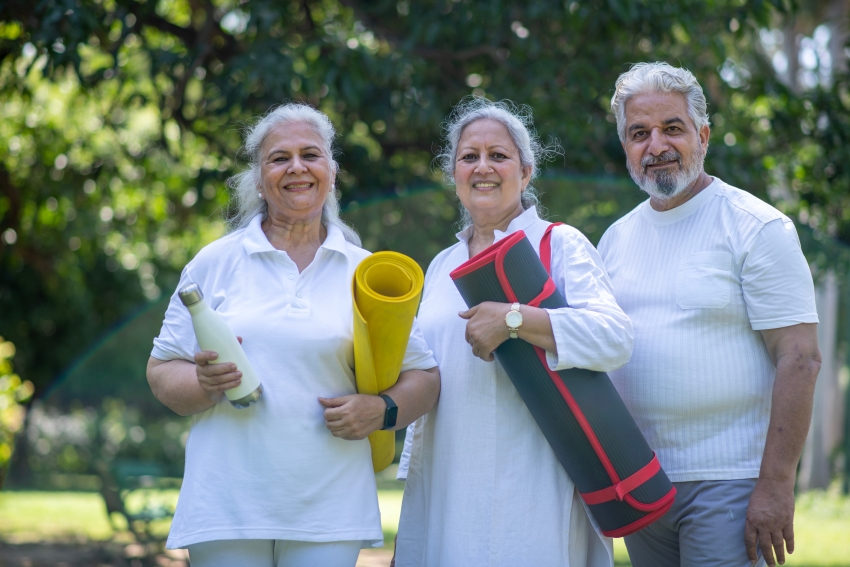
The Human Body Was Designed to Move
Modern life has made us more comfortable than ever before. We travel in cars, work on computers, and spend long hours sitting. While technology has improved convenience, it has also reduced the amount of daily physical movement in our lives. However, the human body was never designed for prolonged inactivity. From an evolutionary perspective, humans survived by walking, lifting, climbing, and moving constantly. Movement was part of daily life. Today, research in longevity science confirms an important truth: Regular movement is one of the most powerful factors for maintaining HealthSpan. It supports not only physical health but also mental and emotional well-being.
Muscle: The Body’s Metabolic Medicine
One of the most important insights from modern health science is the role of muscle mass in long-term health. Muscles do much more than help us move. They are deeply involved in the body’s metabolism.
Healthy muscles help:
- Regulate blood sugar
- Support healthy body weight
- Improve insulin sensitivity
- Strengthen bones
- Protect joints
For this reason, many experts now describe muscle as “metabolic medicine.” The more muscle we maintain, the better the body can manage metabolic diseases such as diabetes and obesity.
The Challenge After Age 50
After the age of 50, the body naturally begins to lose muscle mass. This condition is known as sarcopenia. Without regular strength-building activity, adults may lose 3–5% of muscle mass every decade after midlife.
Loss of muscle can lead to several problems:
- Reduced strength
- Poor balance
- Increased risk of falls
- Reduced mobility
- Slower metabolism
This is why maintaining muscle mass becomes critically important in later life. Even simple strength exercises can make a meaningful difference.
Activities such as:
- Light dumbbell exercises
- Resistance bands
- Push-ups against a wall
- Chair squats
can help preserve muscle strength and independence.
Walking Is Good — But Not Enough
Walking is often recommended as the simplest form of exercise. And rightly so. Regular walking supports:
- Heart health
- Lung capacity
- Circulation
- Mood and mental well-being
However, modern research suggests that walking alone may not be sufficient for complete physical fitness. A balanced movement routine should include three types of activity.
Three Types of Exercise for Longevity
1. Cardiovascular Exercise
These exercises strengthen the heart and lungs. Examples include:
- Brisk walking
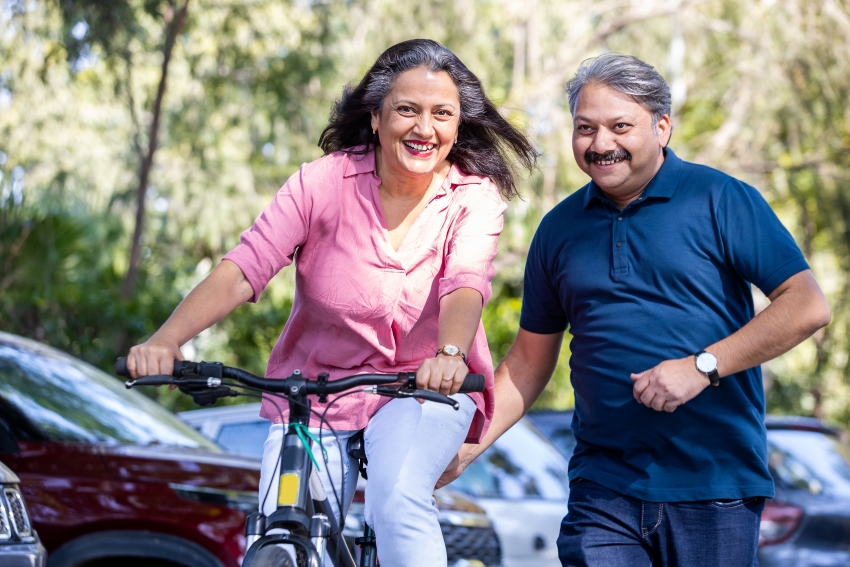
- Cycling
- Swimming
- Light aerobic exercises
Cardiovascular activity improves circulation and reduces the risk of heart disease.
2. Strength Training
Strength training helps maintain muscle mass and bone density. It can include:
- Body-weight exercises
- Resistance bands
- Light dumbbells
- Gym-based training
Strength training is especially important after the age of 50. It helps preserve mobility and metabolic health.
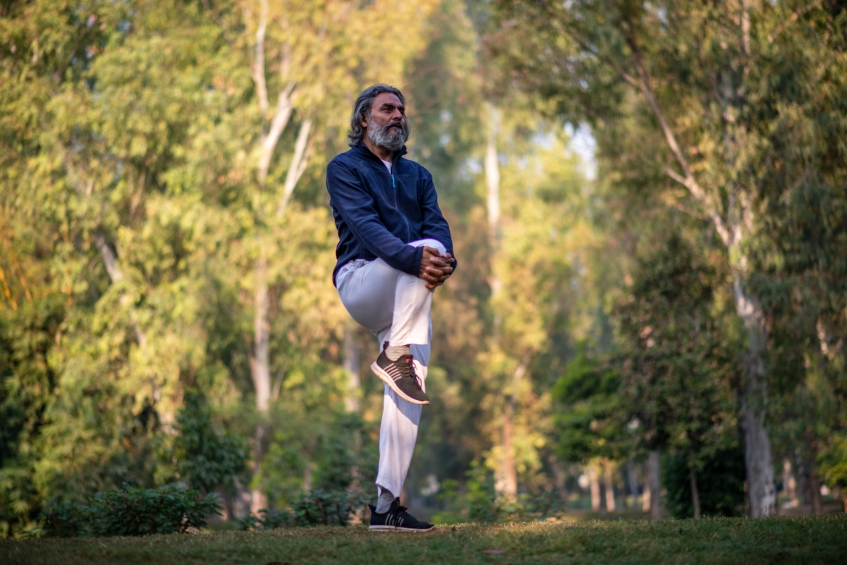
3. Balance and Stability Exercises
Balance exercises are often overlooked but extremely important for seniors. Falls are one of the leading causes of injury among older adults.
Simple balance practices such as:
- Yoga poses
- Standing on one leg
- Tai chi
- Stability exercises
can significantly reduce the risk of falls. Improving balance improves confidence and independence in daily life.
Exercise Is Good for the Brain Too
Exercise does not benefit only the body. It also supports brain health. Research shows that physical activity improves:
- Blood flow to the brain
- Memory and cognitive function
- Mood and emotional health
Many doctors summarize this relationship in a simple statement: “What is good for the heart is also good for the brain.” Regular exercise may also help reduce the risk of cognitive decline and dementia.
Consistency Matters More Than Intensity
Many people believe exercise must be intense to be effective. This is not true.The most important factor is consistency. Moderate daily activity is far more beneficial than occasional intense workouts. Experts often recommend 30–40 minutes of movement each day.
This can include a mix of:
- Walking
- Stretching
- Strength exercises
- Yoga
- Light sports
Even simple daily tasks such as gardening, household chores, or climbing stairs contribute to healthy movement.
The key is to stay active regularly.
Start Slow and Progress Gradually
For people who have been inactive for a long time, starting exercise can feel difficult. The best approach is simple. Start slowly. Begin with small steps such as:
- 10–15 minutes of walking
- Gentle stretching
- Basic mobility exercises
Gradually increase intensity over time. The goal is not perfection. The goal is sustainable movement habits.
Movement and Senior Independence
Maintaining mobility is one of the most important aspects of healthy ageing. Seniors who remain physically active are more likely to:
- Maintain independence
- Avoid falls
- Recover faster from illness or surgery
- Retain mental sharpness
- Maintain emotional well-being
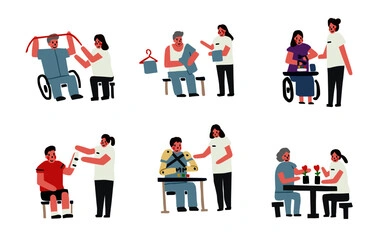
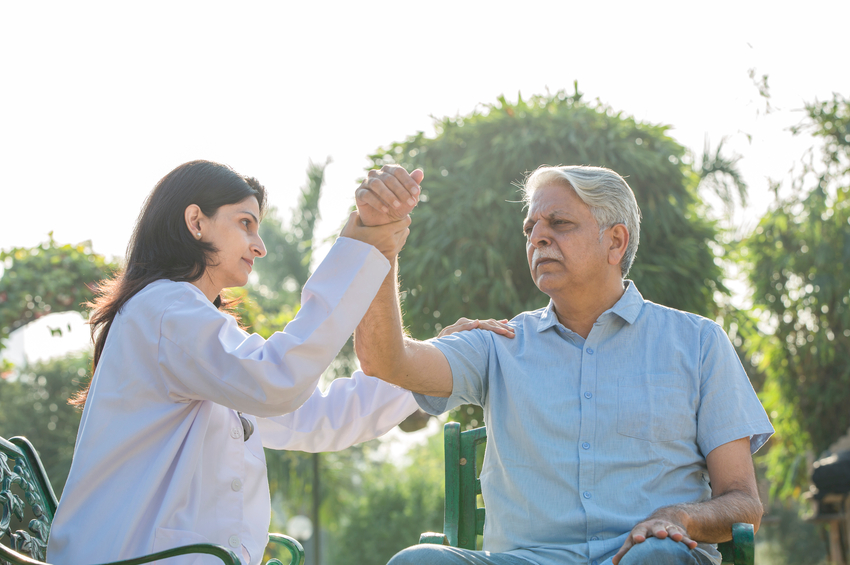
In many situations, professional support can help seniors maintain safe and effective exercise routines. Services such as physiotherapy, rehabilitation support, and trained caregivers can guide seniors in performing exercises safely. Platforms like Healthy Wrinkles help families connect with trusted providers offering these services. These services ensure that seniors remain active, mobile, and confident in their daily lives.
Movement Is an Investment in Longevity
Exercise is sometimes seen as an optional activity. In reality, it is one of the most powerful tools for healthy ageing. Regular movement strengthens the body, protects the brain, and improves overall quality of life. In the journey toward Shatayushi living, movement is not simply about fitness. It is about preserving strength, independence, and vitality for as long as possible. Because in the end, longevity is not only about living longer. It is about living actively and fully.
Author: Shrihari Shidhaye
Founder – Healthy Wrinkles | Secretary General – AISCCON
About the Author
Shrihari Shidhaye is the Founder of Healthy Wrinkles, a platform focused on trusted senior care services, and the Secretary General of AISCCON, a national federation representing senior citizens across India. With more than three decades of experience in healthcare and the pharmaceutical sector, he works actively in the areas of healthy ageing, longevity awareness, senior care systems, and advocacy for the elderly. Through the Shatayushi series, he aims to bring scientific thinking and practical guidance together in a simple and useful form.