























Shatayushi Living Why Sleep Is Essential for a Long and Healthy Life
07-04-26
The Silent Pillar of Longevity
When people think about living a long and healthy life, they usually think of diet and exercise. Sleep rarely appears at the top of the list. Yet modern research shows that sleep may be one of the most powerful drivers of healthy ageing. In fact, many longevity experts say that consistent, high-quality sleep is essential for maintaining HealthSpan. Without adequate sleep, even the best diet and exercise routine cannot fully protect long-term health. Sleep is the time when the body repairs, restores, and resets itself. For this reason, sleep can be considered one of the foundations of Shatayushi living.
Why Sleep Matters More Than We Think
Sleep is not simply a period of rest. It is an active biological process. During sleep, the body performs several important functions:
- Repairing tissues and muscles
- Regulating hormones
- Strengthening the immune system
- Consolidating memory and learning
- Restoring energy levels
However, one of the most fascinating discoveries about sleep involves the brain itself.
The Brain’s Night Cleaning System
Scientists have discovered that the brain has a special waste-removal system known as the glymphatic system. This system becomes highly active during sleep. During deep sleep, the brain clears out toxic waste that accumulates during the day. Research shows that the brain can remove up to 60% more waste during sleep than when awake. Among the substances removed during this process is amyloid beta, a protein linked to Alzheimer’s disease. This discovery has led scientists to believe that poor sleep over many years may increase the risk of neurodegenerative diseases. In other words, sleep is not only about feeling refreshed the next morning. It may also play a major role in protecting long-term brain health
Understanding Sleep Stages
Sleep occurs in different stages. The two most important categories are:
NREM Sleep (Non-Rapid Eye Movement)
This includes deep sleep stages where the body performs most of its repair and recovery. During this stage:
- Muscles relax and repair
- Blood pressure drops
- Immune function improves
- The brain clears toxins
REM Sleep (Rapid Eye Movement)
REM sleep is associated with:
- Dreaming
- Emotional processing
- Memory consolidation
- Learning
A healthy night of sleep cycles through these stages several times. Both REM and deep sleep are necessary for overall physical and mental health.
How Much Sleep Do We Really Need?
Many studies suggest that adults need around seven hours of sleep per night for optimal health. Sleeping significantly less than this over long periods can lead to increased risk of:
- Heart disease
- Diabetes
- Obesity
- Depression
- Cognitive decline
At the same time, consistently sleeping far beyond nine hours may also be associated with health problems. For most adults, the ideal range lies between 7 and 8 hours of quality sleep. Longevity studies have repeatedly shown that people who maintain consistent sleep patterns tend to have better long-term health outcomes.
Sleep and Healthy Ageing
Sleep becomes even more important as we grow older. With ageing, several sleep-related challenges appear:
- Lighter sleep patterns
- More frequent waking at night
- Changes in circadian rhythm
- Reduced deep sleep
These changes can affect:
- Memory
- Mood
- Immunity
- Overall vitality
Therefore, maintaining good sleep habits is essential for preserving both physical and cognitive health in later years.
Practical Habits for Better Sleep
The good news is that many sleep problems can be improved through simple lifestyle adjustments. Here are some practical habits that support healthy sleep.
Maintain a Consistent Sleep Schedule
Go to bed and wake up at the same time every day.
This helps regulate the body’s internal clock.
Reduce Screen Time Before Bed
Exposure to mobile phones, tablets, and television screens can interfere with sleep hormones.
It is best to reduce screen use at least two hours before bedtime.
Create the Right Sleep Environment
A good sleep environment includes:
- A dark room
- Minimal noise
- Comfortable bedding
- Slightly cooler room temperature
These factors help the body enter deeper sleep.
Allow a Gap Between Dinner and Sleep
Try to finish dinner two to three hours before bedtime.
Heavy meals late at night can disturb sleep.
Limit Late-Evening Fluid Intake
Reducing water intake shortly before sleep can help avoid frequent waking during the night.
Stay Physically Active During the Day
Regular physical activity improves sleep quality.
Even simple activities like walking can make a significant difference.
Avoid Long Daytime Naps
Short naps may be refreshing, but long daytime sleep can disrupt nighttime sleep patterns.
Natural Ways to Support Sleep
Some natural habits can help support the body’s sleep hormones. These include:
- Warm milk before bedtime
- Nuts such as almonds or walnuts
- Exposure to natural daylight during the day
- Moderate physical activity
In some situations, doctors may recommend melatonin supplements, but these should only be used under medical guidance.
When Seniors Need Sleep Support
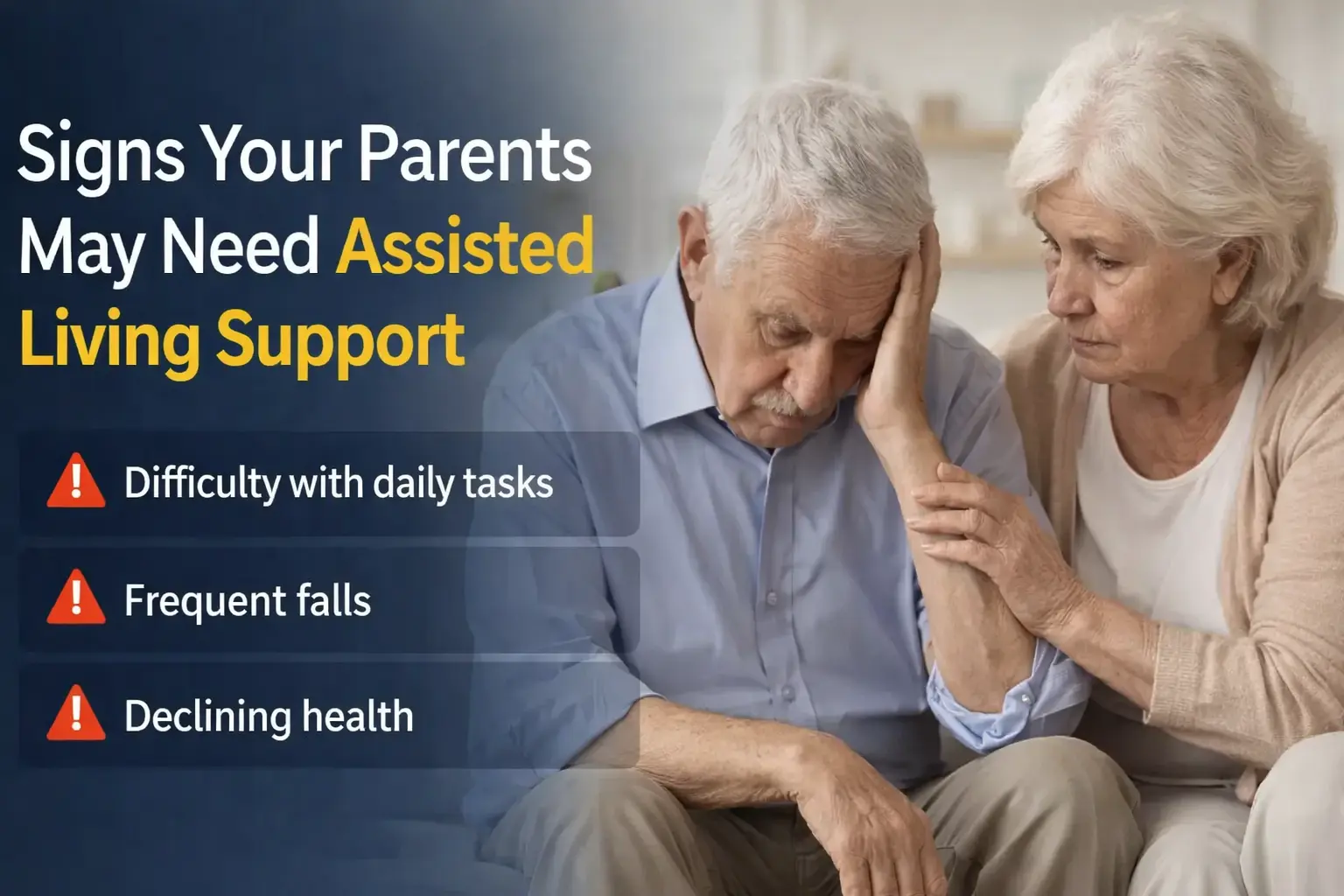
Sleep disturbances sometimes become more frequent in older adults. They may be associated with:
- Chronic illness
- Medications
- Stress or loneliness
- Reduced mobility
In such situations, supportive care can make a meaningful difference. Services such as home nursing support, physiotherapy for mobility, and caregiver assistance can help seniors maintain better daily routines and healthier sleep patterns. Platforms like Healthy Wrinkles help families connect with trusted providers offering these services. Maintaining good sleep routines is often easier when seniors receive the right physical and emotional support.
Sleep Is an Investment in Longevity
Sleep may appear passive. But in reality, it is one of the most active processes in maintaining health. Every night, the body performs essential maintenance. Cells repair themselves. The brain clears toxins. The immune system strengthens. Hormones rebalance. All of this supports long-term health. In the journey toward Shatayushi living, sleep is not a luxury. It is a biological necessity. Seven hours of quality sleep every night may be one of the most powerful investments we can make in our HealthSpan.
Author: Shrihari Shidhaye
Founder – Healthy Wrinkles | Secretary General – AISCCON
About the Author
Shrihari Shidhaye is the Founder of Healthy Wrinkles, a platform focused on trusted senior care services, and the Secretary General of AISCCON, a national federation representing senior citizens across India. With more than three decades of experience in healthcare and the pharmaceutical sector, he works actively in the areas of healthy ageing, longevity awareness, senior care systems, and advocacy for the elderly. Through the Shatayushi series, he aims to bring scientific thinking and practical guidance together in a simple and useful form.