











Shatayushi Living Social Fitness Relationships Add Years to Life
21-04-26
The Hidden Pillar of Longevity
When people think about healthy ageing, they usually focus on:
- Diet
- Exercise
- Sleep
- Medical care
All of these are important. But research shows there is another powerful factor that strongly influences longevity.
Human relationships.
Longevity researchers increasingly use the term social fitness to describe the health benefits of meaningful relationships and social engagement. Social fitness refers to the ability to build and maintain warm, supportive, and trusting relationships with others. These relationships help regulate stress, improve emotional health, and even influence physical wellbeing. In simple terms:
Good relationships are good medicine
What Science Says About Relationships and Health
One of the most important studies on human wellbeing is the Harvard Study of Adult Development.
This remarkable research project began in 1938 and continues even today. The study initially followed 724 young men from different social backgrounds and later included their families and children. Over time, researchers tracked more than 2000 individuals across their entire lives.
They studied many aspects of life including:
- Health
- Career
- Family life
- Happiness
- Relationships
After more than eight decades of research, one conclusion stands out clearly. Warm relationships are the strongest predictors of health and happiness in later life.
Participants who maintained strong social connections tended to:
- Live longer
- Stay physically stronger
- Maintain sharper brains
- Mecover faster from illness
- Experience less depression
These findings strongly support the idea that social fitness is a key component of HealthSpan.
What Happens When People Become Socially Isolated
Human beings are social creatures. When relationships disappear, the body reacts in powerful ways. Loneliness and isolation often lead to chronic stress. Long-term stress triggers biological changes in the body. These changes may include:
- Higher levels of stress hormones
- Increased inflammation
- Higher risk of cardiovascular disease
- Weakened immunity
Studies show that chronic loneliness can increase the risk of conditions such as:
- Heart disease
- Depression
- Cognitive decline
In simple terms, social isolation is not just emotionally painful. It can also damage physical health.
Relationships Regulate Stress
Strong relationships work like natural stress regulators. When people have someone to talk to during difficult moments, their stress levels tend to drop faster.
Even simple social interactions can help. Interestingly, experiments have shown that even brief conversations with strangers can increase feelings of well-being.
For example, researchers studying commuters on public transport found that passengers who spoke with others during travel reported greater happiness compared with those who remained silent. These small interactions remind us that human connection itself is therapeutic.
The Blue Zones Lesson
Research on Blue Zones—regions of the world where many people live beyond 90 or 100—also highlights the importance of community.
These regions include places such as:
- Okinawa (Japan)
- Sardinia (Italy)
- Ikaria (Greece)
- Nicoya (Costa Rica)
- Loma Linda (USA)
Across these diverse cultures, researchers observed one common feature. People maintain strong social networks and community bonds. Friends, family members, neighbours, and community groups remain closely connected.
These relationships provide:
- Emotional support
- Practical help
- Shared activities
- A sense of belonging
Such community ties appear to play a major role in promoting long and healthy lives.
Social Fitness After Retirement
Social fitness becomes especially important after retirement. During working years, many relationships are built around the workplace. After retirement, those connections may gradually reduce. If a person does not actively maintain social engagement, loneliness can slowly develop. Maintaining social fitness requires intentional effort.
Some helpful practices include:
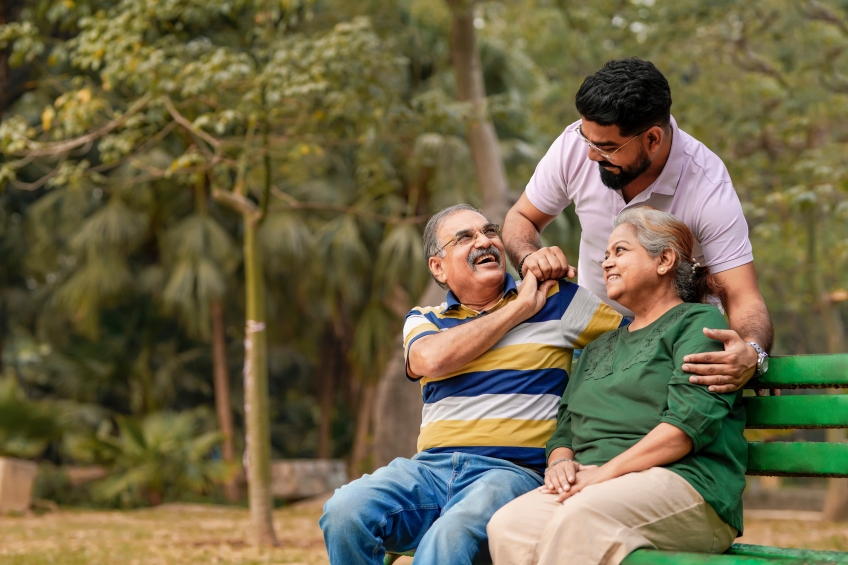
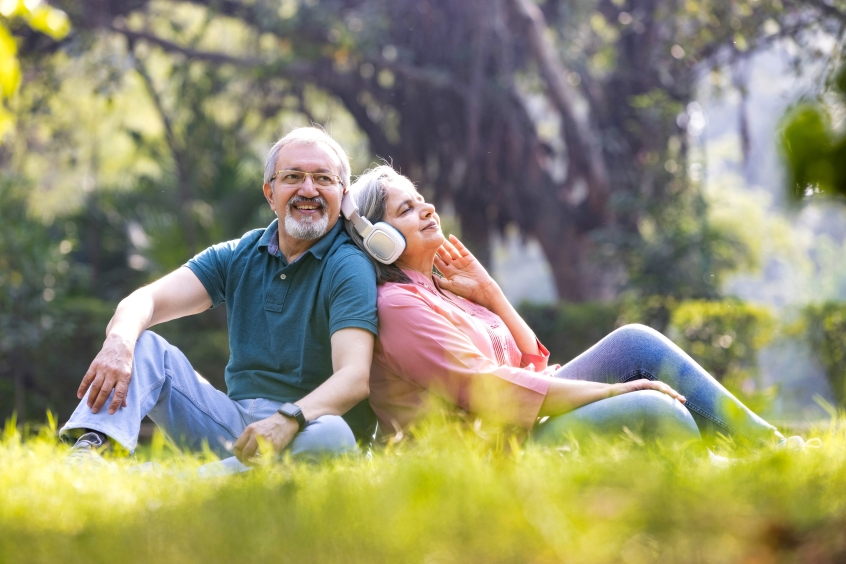
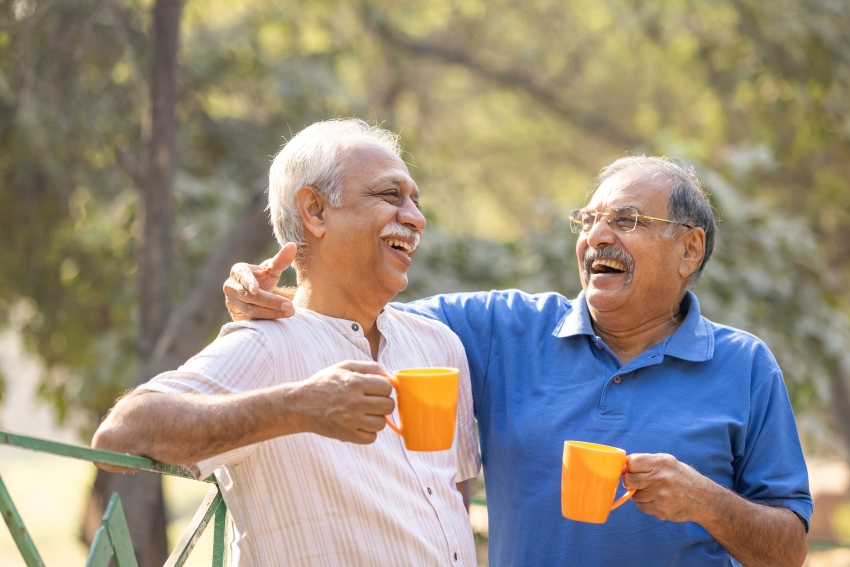
- Meeting friends regularly
- Participating in community groups
- Joining senior citizen associations
- Volunteering for social causes
- Attending cultural or spiritual gatherings
- Learning new hobbies in group settings
Even small social routines can make a big difference.
The Health Benefits of Social Connections
Strong relationships influence health in several ways.
Emotional Wellbeing
Talking with trusted people reduces anxiety and emotional distress.
Cognitive Health
Regular conversations stimulate the brain and help maintain memory and thinking ability.
Physical Health
People with strong relationships often maintain healthier lifestyles.
Faster Recovery
Patients with supportive family and social networks often recover faster from illness.
In many ways, social connection acts as a protective layer around health.
Creating Social Fitness in Later Life
Building social fitness does not require a large social circle. What matters most is quality rather than quantity. A few trusted relationships can provide strong emotional support. Experts often recommend maintaining at least three close relationships with people one can call during difficult times. These connections create emotional safety and resilience.
Simple habits can strengthen social fitness:
- Regular phone calls with friends or relatives
- Weekly social gatherings
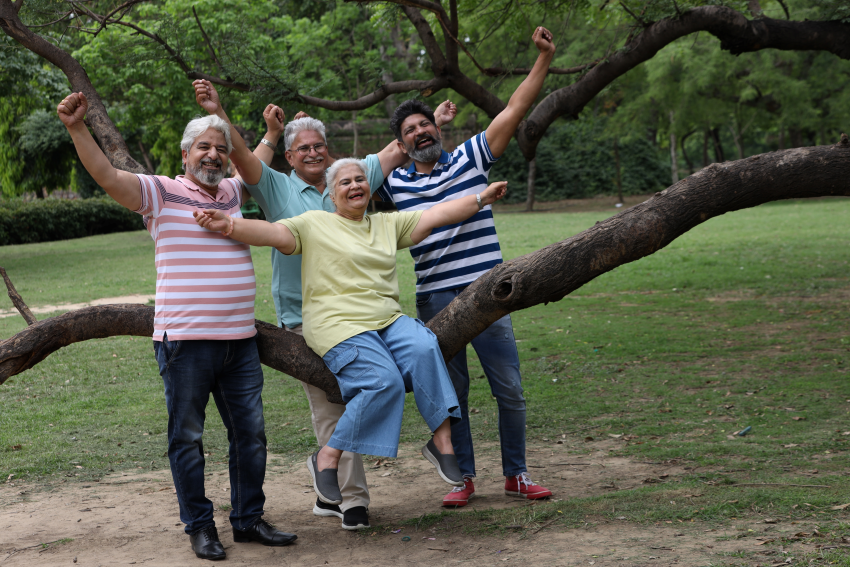
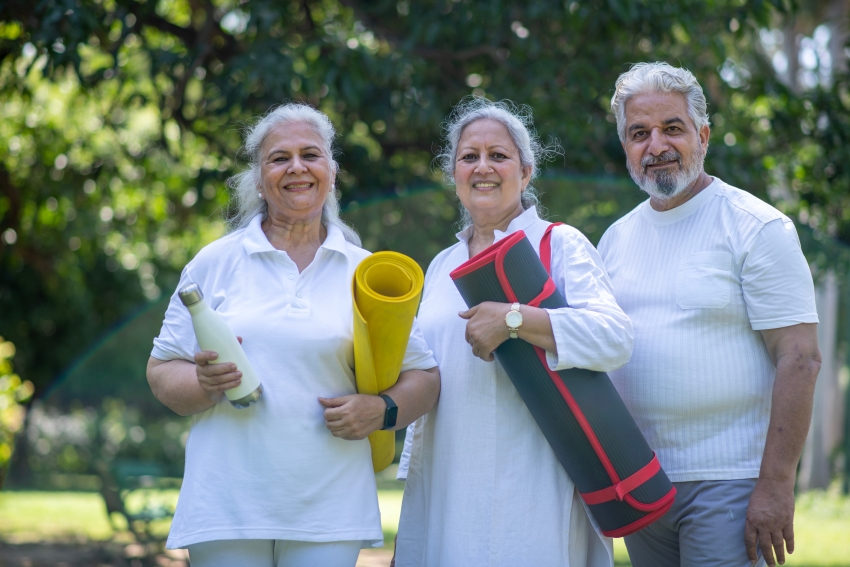
- Group walks or yoga sessions
- Community volunteering
- Participation in religious or spiritual groups
These activities help maintain both mental vitality and emotional balance.
When Support Systems Become Important
Sometimes seniors want to stay socially active but face barriers such as:
- Mobility limitations
- Illness or recovery from surgery
- Living alone
- Lack of nearby family
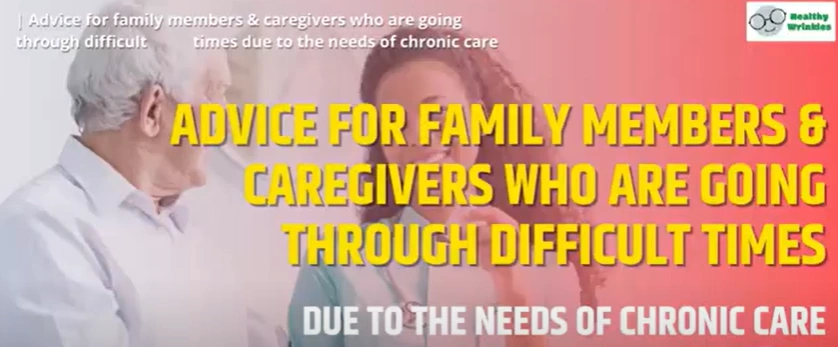
In such situations, professional support services can make a significant difference.
For example:
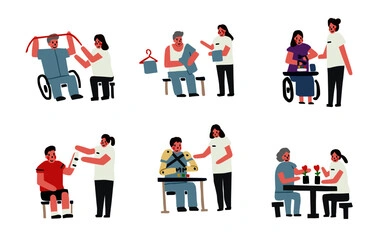
- Trained caregivers can help seniors remain socially engaged
- Physiotherapy can restore mobility and confidence
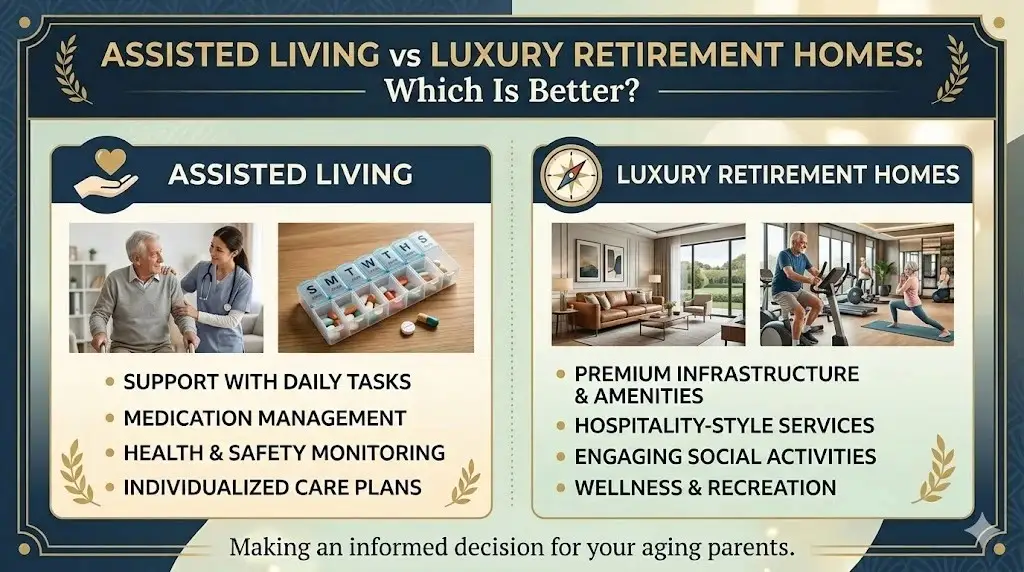
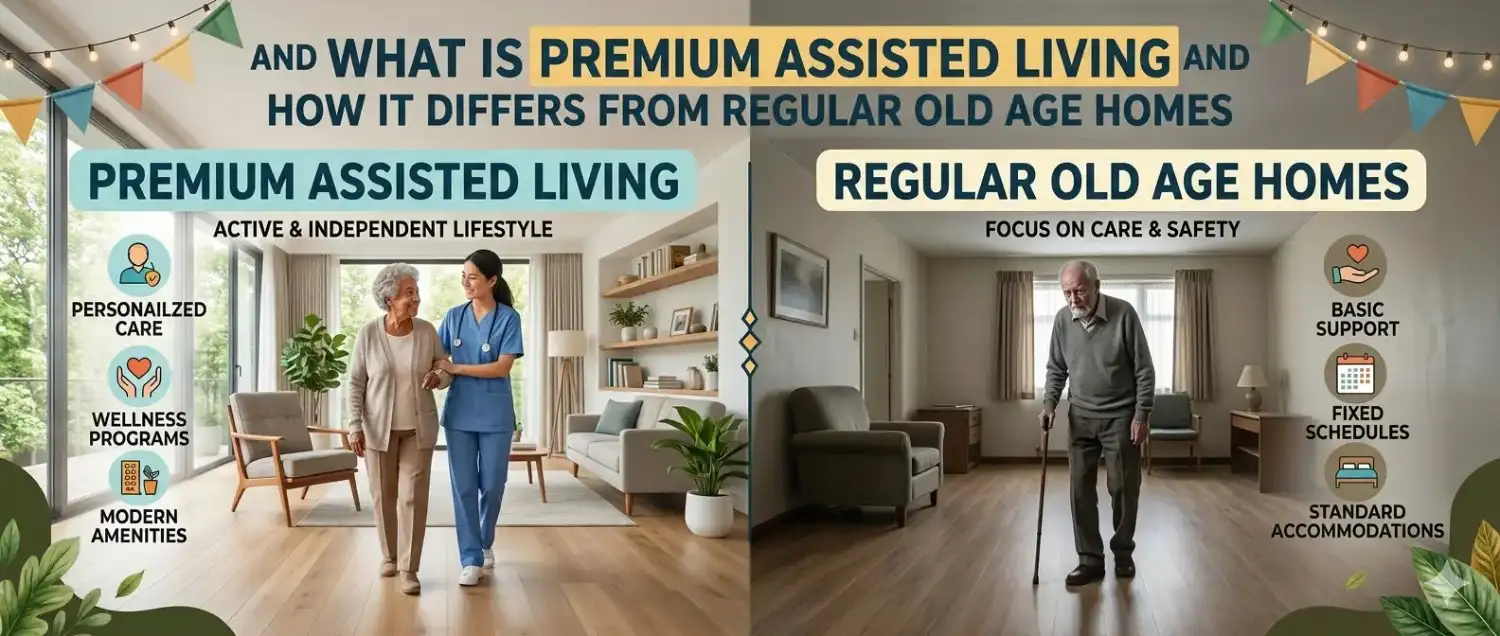
- Assisted living communities provide companionship and structured social activities
- Home nursing support helps seniors maintain health while staying socially connected
Healthy Wrinkles works with trusted providers to help families access these services.
The goal is not only to provide care but also to help seniors remain connected, active, and emotionally supported.
Relationships May Be the Real Secret of Longevity
Modern science continues to explore the many factors influencing longevity. But one lesson appears consistently across studies. People who maintain warm relationships and strong social connections tend to live healthier and happier lives.
Social fitness protects both the mind and the body. It reduces stress, supports emotional wellbeing, and strengthens resilience.
For those pursuing Shatayushi living, the message is simple. Take care of your relationships.Because sometimes, the most powerful medicine is simply human connection.
Author: Shrihari Shidhaye
Founder – Healthy Wrinkles | Secretary General – AISCCON
About the Author
Shrihari Shidhaye is the Founder of Healthy Wrinkles, a platform focused on trusted senior care services, and the Secretary General of AISCCON, a national federation representing senior citizens across India. With more than three decades of experience in healthcare and the pharmaceutical sector, he works actively in the areas of healthy ageing, longevity awareness, senior care systems, and advocacy for the elderly. Through the Shatayushi series, he aims to bring scientific thinking and practical guidance together in a simple and useful form.