







Shatayushi Living Ikigai Discover Purpose for living
17-04-26
The Most Important Longevity Question
Many people say they want to live to 90 or 100. But a deeper question comes before that. Why do you want to live to 100? For what purpose? This is not a philosophical question alone. It is also a health question. Longevity is not only about adding more years. It is also about making those years worth living. This becomes especially important after retirement. The extra 20, 30, or 40 years that modern medicine has added are usually not added to youth. They are added largely to the senior years. So purpose becomes even more important in later life.
What Is Ikigai?
In Japanese culture, there is a beautiful idea called Ikigai. It is often understood as a reason to get up in the morning or a reason for living. Ikigai does not have to be something grand. It can come from simple but meaningful things:
- Caring for family
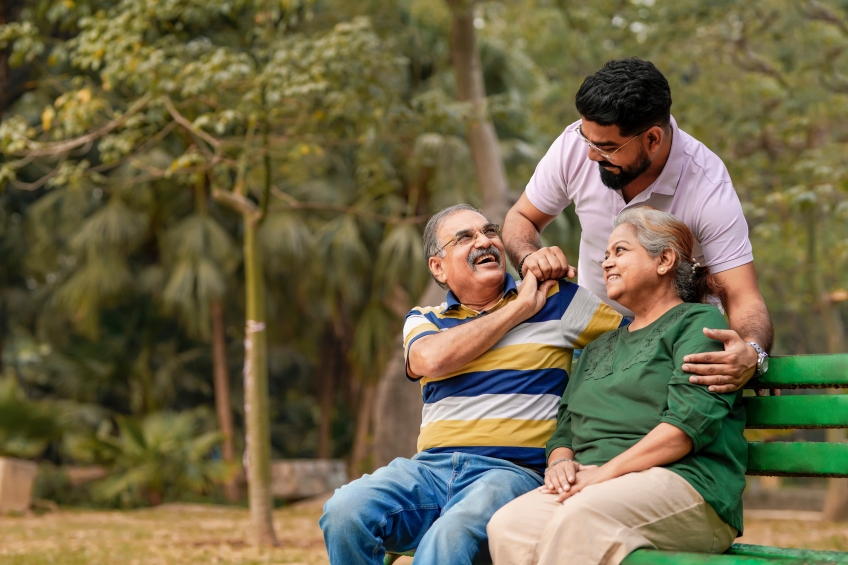
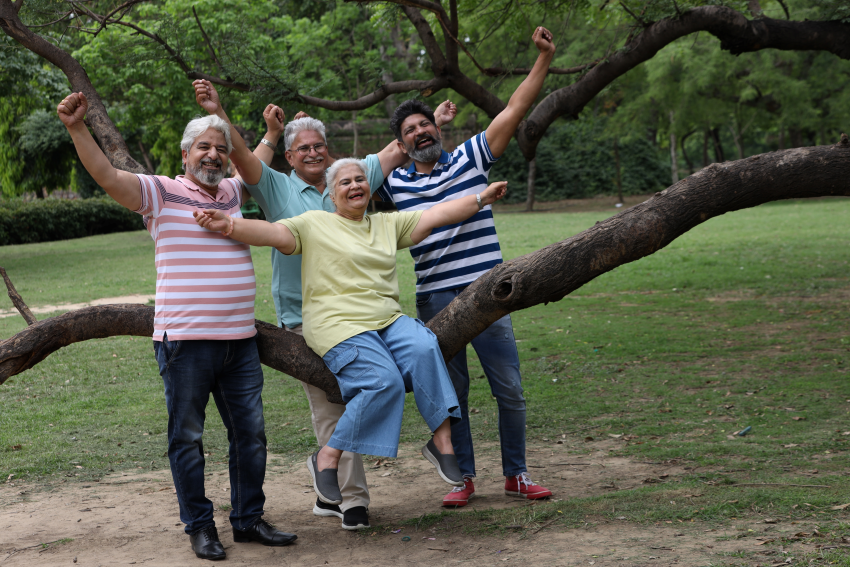
- Spending time with friends
- Community work
- Teaching
- Hobbies
- Travel
- Spirituality or bhakti
- Helping others
Your Ikigai is what gives your day direction. It gives energy to the mind and resilience to the heart. Research on purpose in life shows that a stronger sense of purpose is associated with lower mortality and better health outcomes in older adults. (JAMA Network)
Purpose Is Not a Luxury. It Is a Health Asset.
We usually think of health in physical terms.
- Blood pressure.
- Sugar.
- Weight.
- Mobility.
- All of these matter.
But purpose also matters. Studies have found that people with a stronger sense of purpose tend to have better long-term outcomes, including fewer chronic conditions, less disability, and lower risk of premature death. (PubMed)
There is also evidence linking purpose in life with lower risk of stroke and lower likelihood of developing weak grip strength and slow walking speed in older adults. (PubMed)
This means purpose is not just “good for the mind.” It may influence physical health too.
The Retirement Challenge Nobody Explains Properly
Before retirement, many people imagine freedom.
No office.
No deadlines.
No alarm clock.
That dream is real—but only partly. There is a journey from 60 to 100 with multiple phases.
Phase 1: The Vacation Phase
This is how many people imagine retirement.
No fixed routine.
More rest.
Travel.
Relaxation.
This phase feels pleasant.
But for many people, it does not last very long.
Phase 2: Feeling Loss and Feeling Lost
This phase will come suddenly.
A person may begin to feel:
- loss of routine
- loss of identity
- loss of relationships
- loss of influence
- loss of purpose
This is often unexpected. A person may be financially stable and still feel empty.
Phase 3: Trial and Error
At this stage, many people start looking for meaning again.
They try new things.
Some efforts work.
Some do not.
This phase can be confusing, but it is important. It prevents people from remaining stuck in helplessness.
Phase 4: Reinvent and Rewire
This is the most meaningful phase.
A person starts answering difficult but important questions.
What matters now?
Who needs me?
What can I still give?
Many people discover that service to others becomes deeply satisfying in this stage. Through this path, one may recover much of what felt lost earlier in phase 2.
Why Purpose Supports Healthy Ageing
A sense of purpose can improve healthy ageing in several ways.
First, it creates structure. People with purpose tend to maintain routines. They wake up with intent. They stay engaged.
Second, purpose supports emotional health. It reduces the feeling of emptiness and social withdrawal.
Third, purpose often improves healthy behavior. People who feel their life has meaning are more likely to stay active and maintain better habits over time. (PubMed)
Fourth, purpose encourages connection.
Many sources of Ikigai involve relationships, service, teaching, mentoring, prayer, and community participation. In Japanese cohort data, having Ikigai has been associated with better health and wellbeing outcomes, and earlier work also found associations between Ikigai and longevity. (PubMed)
Ikigai After 60: What Can It Look Like?
Many seniors think purpose must mean a big mission. That is not necessary. Ikigai can be modest, personal, and deeply human. It can be:
- Helping grandchildren with studies
- mentoring younger professionals
- Teaching music, language, or values
- Volunteering in a local group
- Guiding other seniors
- Writing, gardening, or devotional study
- Supporting a social cause
- Becoming active in community organisations
Purpose does not need applause. It needs meaning. It should make you feel that your presence still matters. And it does.
A Practical Way to Discover Ikigai
If someone is entering retirement or already feeling lost, these questions may help:
- What gives me joy?
- Who depends on me?
- What knowledge or experience can I share?
- What kind of service feels meaningful to me?
- What do I look forward to each week?
- What would make me feel useful again?
The answers may not come in one day. That is fine. Ikigai is often discovered gradually. The important thing is to begin the search.
Purpose Needs Support Too
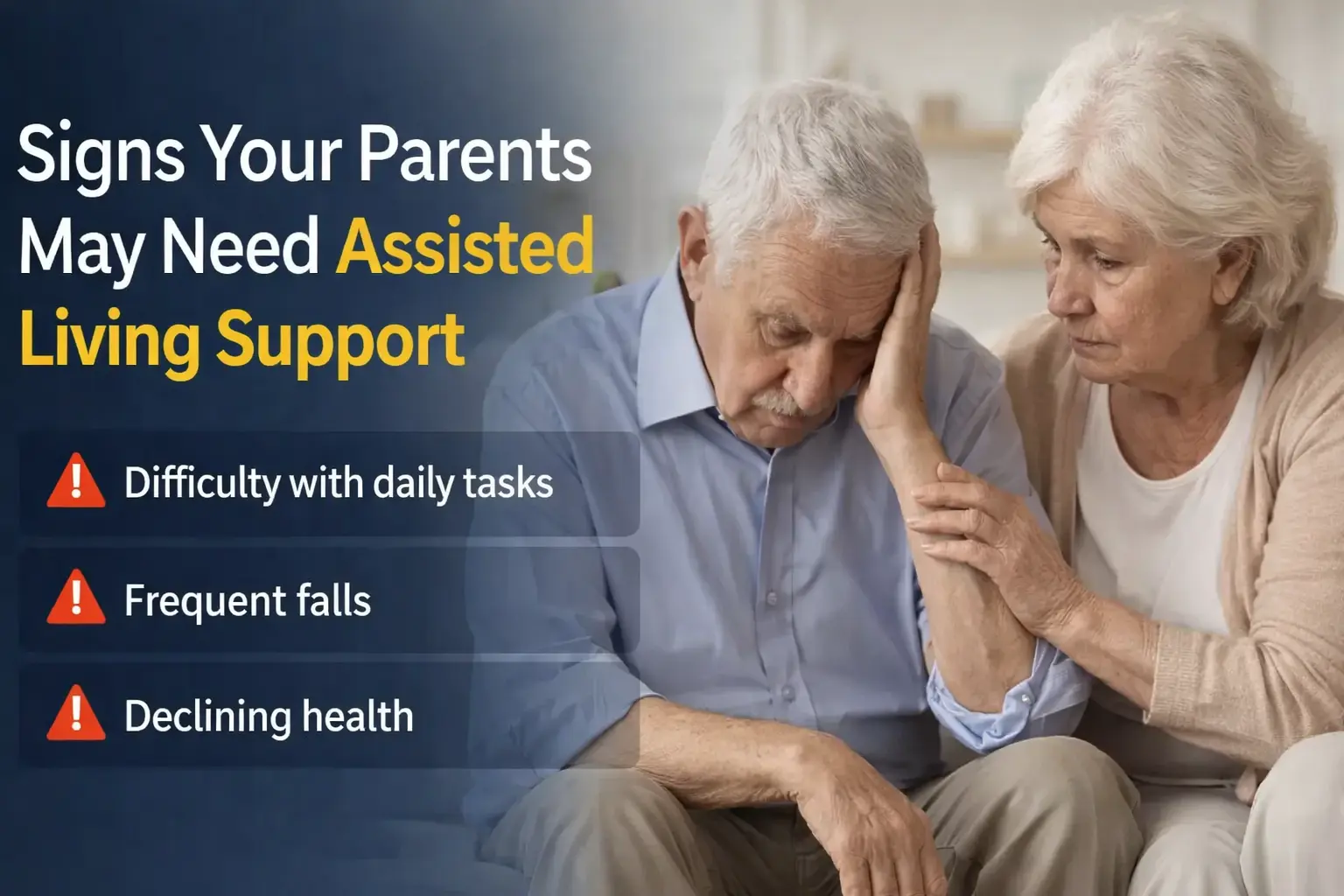
Sometimes seniors know what they want to do, but practical barriers stop them.
- Health issues.
- Mobility limitations.
- Fear of falling.
- Fatigue.
- Lack of support at home.
This is where senior care services become important. If a person receives the right help, they can continue to live with purpose for much longer. For example:
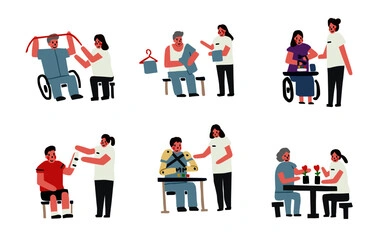
- Physiotherapy can improve mobility and confidence
- Trained caretakers can support daily routines
- Home nursing can assist during recovery or chronic illness
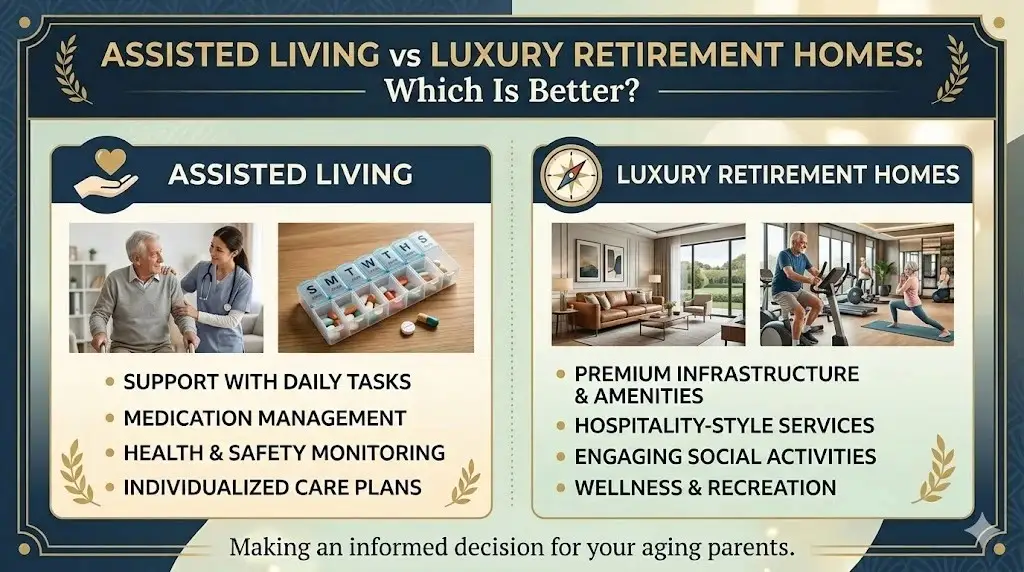
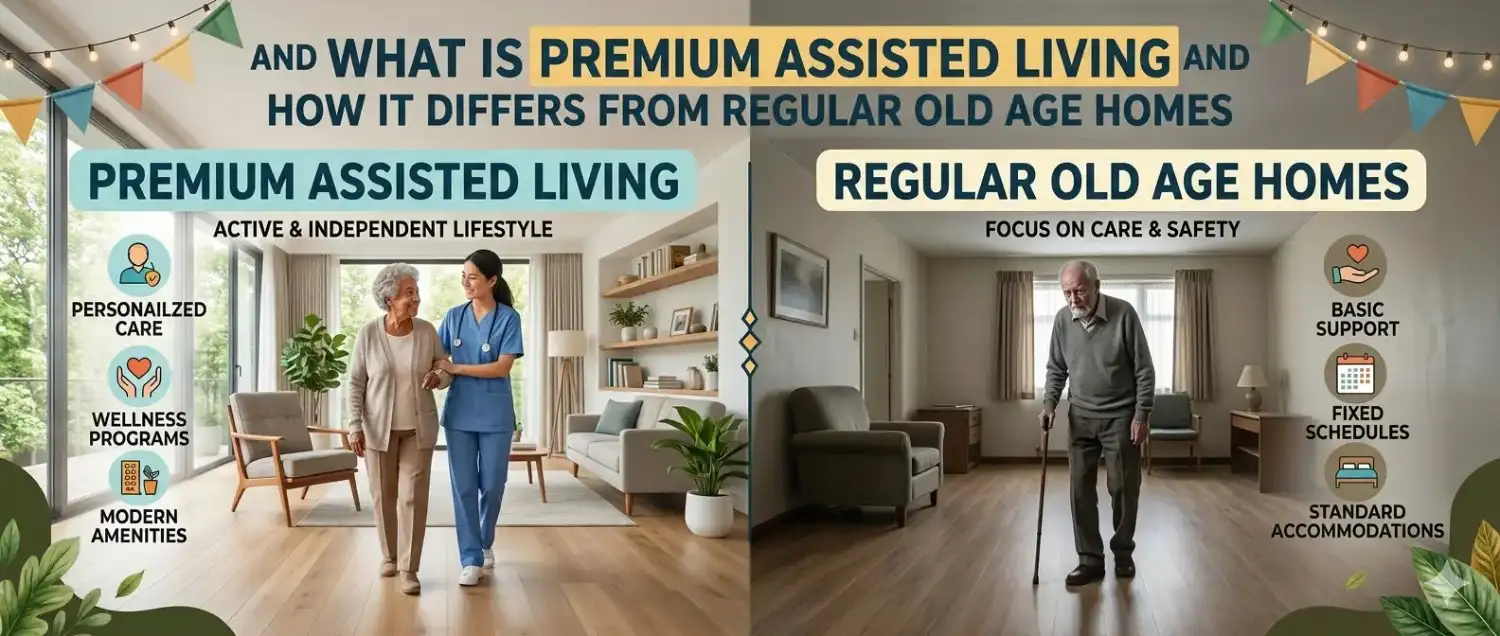
- Assisted living communities can provide structure, companionship, and participation
Healthy Wrinkles works in exactly this space—helping families find trusted support systems so seniors can continue living with dignity, engagement, and meaning.
Because purpose is easier to sustain when daily life is supported well.
Living to 100 Is Easier When Life Has Meaning
The desire to live long becomes stronger when life still feels meaningful. That is the essence of Ikigai.
Not merely surviving.
Not merely passing time.
But waking up with a reason.
As longevity science evolves, one lesson is becoming clearer. Purpose is not separate from healthy ageing. It is one of its pillars. So if we want to become truly Shatayushi, we must ask not only:
How long do I want to live?
But also:
Why do I want to live?
That answer may become one of the strongest medicines for the years ahead.
Author: Shrihari Shidhaye
Founder – Healthy Wrinkles | Secretary General – AISCCON
About the Author
Shrihari Shidhaye is the Founder of Healthy Wrinkles, a platform focused on trusted senior care services, and the Secretary General of AISCCON, a national federation representing senior citizens across India. With more than three decades of experience in healthcare and the pharmaceutical sector, he works actively in the areas of healthy ageing, longevity awareness, senior care systems, and advocacy for the elderly. Through the Shatayushi series, he aims to bring scientific thinking and practical guidance together in a simple and useful form.