






















Shatayushi Living Balanced Nutrition Eating for Longevity
08-05-26
Why Diet Matters for Healthy Ageing
Food is one of the most powerful influences on human health. Every meal we eat provides signals to the body. These signals influence:
- Metabolism
- Inflammation
- Energy levels
- Immune function
- Long-term disease risk
In longevity research, diet consistently appears as one of the central pillars of HealthSpan. People who maintain balanced eating habits throughout life tend to experience lower rates of chronic disease and better quality of life during ageing. The goal is not extreme dieting. The goal is balanced nutrition.
Lessons from Longevity Research
Studies of regions where people regularly live beyond 90 or even 100 years often called Blue Zones reveal interesting dietary patterns.
These populations typically consume diets that are:
- Rich in vegetables
- Rich in whole grains
- High in legumes and plant-based foods
- Moderate in calories
- Limited in processed foods and excess meat
These dietary patterns provide a combination of nutrients that support long-term metabolic health.
Such diets help maintain stable body weight and reduce the risk of chronic diseases such as diabetes and cardiovascular disease.
Calorie Balance: The Foundation of Metabolic Health
One of the most important principles of healthy eating is calorie balance. Consuming more calories than the body needs over long periods can lead to overnutrition.
This can contribute to:
- Obesity
- Insulin resistance
- Diabetes
- Cardiovascular disease
Managing calorie intake does not require complicated rules. It often involves three practical approaches:
1. Total Calorie Reduction
Reducing overall calorie intake when necessary can help maintain healthy body weight.
2. Dietary Restrictions
Reducing or avoiding foods that contribute little nutritional value—such as highly processed foods or excessive sugars.
3. Eating Time Window
Some people benefit from maintaining a defined eating window during the day, allowing the body sufficient time to metabolize food and maintain metabolic balance.
These strategies help maintain energy balance and support metabolic stability.
Protein: A Key Nutrient for Ageing
Adequate protein intake becomes increasingly important with age. Protein supports:
- Muscle maintenance
- Metabolic function
- Tissue repair
- Immune health
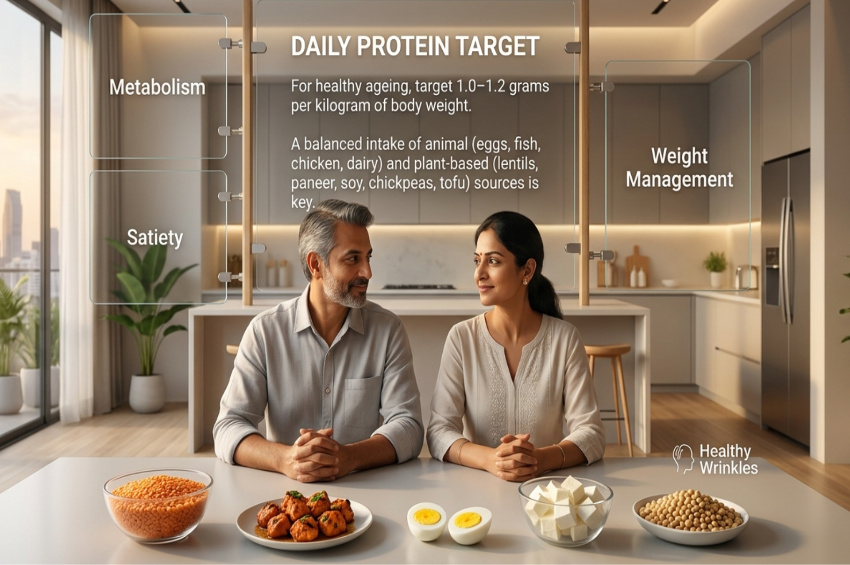
Experts generally recommend approximately 1.0–1.2 grams of protein per kilogram of body weight per day for healthy ageing adults.
Protein can come from both plant and animal sources.
Vegetarian sources include:
- Lentils and pulses
- Chickpeas and beans
- Paneer
- Tofu and soy products
- Milk and dairy products
Ensuring adequate protein intake helps preserve muscle mass and mobility during ageing.
Choosing the Right Carbohydrates
Carbohydrates are an important source of energy. However, the type of carbohydrates consumed makes a significant difference. One useful concept in nutrition science is the Glycemic Index (GI). The glycemic index measures how quickly a food raises blood sugar levels. Foods with a high glycemic index cause rapid spikes in blood sugar.
Examples include:
- White bread
- Refined rice
- Sugary beverages
- Cakes and pastries
- Processed snacks
Frequent blood sugar spikes may increase the risk of metabolic diseases. On the other hand, low glycemic index foods release energy more gradually.
These include:
- Whole grains such as millets and oats
- Legumes such as lentils and chickpeas
- Vegetables and leafy greens
Choosing low GI foods helps maintain stable energy levels and better metabolic health.
The Role of Antioxidants
Ageing is influenced partly by a process known as oxidative stress. During normal metabolism, the body produces molecules called free radicals. These molecules can damage cells over time. Antioxidants help neutralize these free radicals and protect tissues. Fortunately, many traditional foods contain powerful antioxidants.
Examples include:
- Vitamin C found in fruits such as amla
- Curcumin found in turmeric
- Flavonoids present in fruits and vegetables
- Carotenoids found in carrots and pumpkin
- Polyphenols present in legumes, berries, and certain plant foods
Many components of traditional Indian cuisine naturally contain these protective compounds. A diet rich in vegetables, fruits, and spices can therefore support cellular health and reduce inflammation.
Healthy Fats Also Matter
While excessive fats can be harmful, the right types of fats are important for health. Healthy fats support:
- Brain function
- Hormone balance
- Heart health
Examples of healthier fats include:
- Nuts and seeds
- Moderate use of oils such as mustard oil or olive oil
- Fatty fish (for those who consume non-vegetarian diets)
Rotating cooking oils and avoiding excessive processed fats can help maintain balanced nutrition.
The Importance of Hydration
Water is often overlooked when discussing nutrition. However, hydration plays a vital role in metabolism and overall health.
Water supports:
- Digestion
- Circulation
- Temperature regulation
- Cellular processes
Ageing often reduces the body's natural thirst signal, meaning seniors may drink less water than needed. A practical guideline is to consume at least around 1.5 litres of water per day, although individual needs may vary. A useful indicator is urine color. Healthy hydration usually produces colourless / pale yellow urine. To avoid frequent night-time bathroom visits, fluid intake may be reduced slightly two to three hours before sleep.
Balanced Nutrition Supports Healthy Ageing
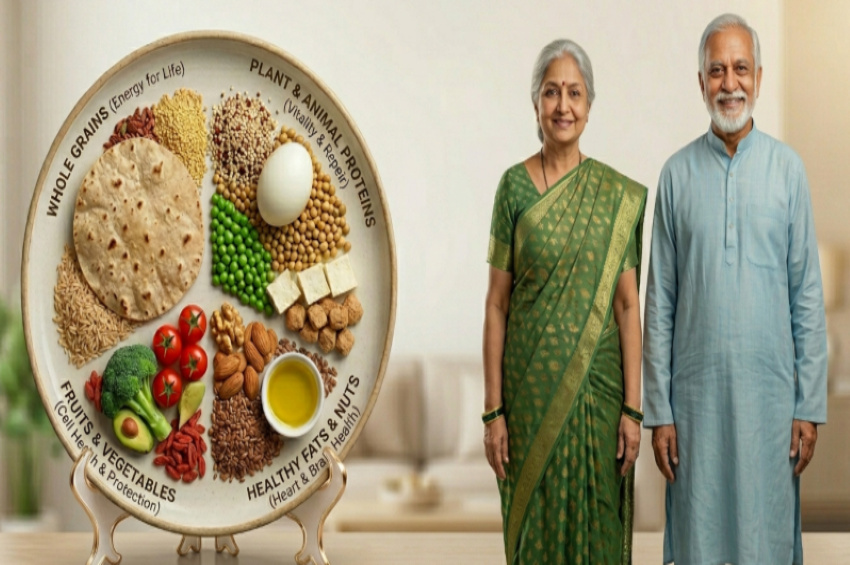
Healthy ageing does not depend on a single nutrient. It depends on a balanced combination of many dietary factors.
These include:
- Adequate protein
- Complex carbohydrates
- Healthy fats
- Antioxidant-rich foods
- Proper hydration
- Balanced calorie intake
Together, these elements help maintain metabolic health, support immunity, and protect long-term wellbeing.
Nutrition and Support Systems
For many seniors, maintaining proper nutrition can become challenging due to:
- Reduced appetite
- Illness or recovery
- Difficulty cooking meals
- Mobility limitations
In such situations, supportive services may help. Examples include:
- Trained caregivers assisting with meal preparation
- Home nursing support for patients recovering from illness
- Physiotherapy programs that improve metabolism through physical activity
Healthy Wrinkles connects families with trusted providers offering such services so seniors can maintain healthy routines and independence
Eating for HealthSpan
Longevity is not determined by one meal or one habit. It is shaped by consistent choices over many years. Balanced nutrition is one of the most powerful tools for protecting long-term health. For those seeking Shatayushi living, the message is clear.
Eat thoughtfully.
Eat moderately.
Eat a variety of nutrient-rich foods.
Because the right diet does not just nourish the body. It helps protect the years ahead.
Author: Shrihari Shidhaye
Founder – Healthy Wrinkles | Secretary General – AISCCON
About the Author
Shrihari Shidhaye is the Founder of Healthy Wrinkles, a platform focused on trusted senior care services, and the Secretary General of AISCCON, a national federation representing senior citizens across India. With more than three decades of experience in healthcare and the pharmaceutical sector, he works actively in the areas of healthy ageing, longevity awareness, senior care systems, and advocacy for the elderly. Through the Shatayushi series, he aims to bring scientific thinking and practical guidance together in a simple and useful form.