



















Shatayushi Living Protein The Essential Nutrient for Healthy Ageing
05-05-26
Why Nutrition Matters for Longevity
Diet and nutrition play a central role in determining how long and how well we live. What we eat influences many aspects of health including:
- Metabolism
- Muscle strength
- Immunity
- Inflammation
- Energy levels
Longevity studies across the world show that people who maintain balanced and thoughtful eating habits tend to experience better HealthSpan. Among all nutrients, one stands out as particularly important for healthy ageing. That nutrient is protein.
Why Protein Becomes More Important with Age
Protein is the building block of the human body. It plays a key role in maintaining:
- Muscles
- Skin
- Enzymes
- Hormones
- Immune system
During younger years, the body naturally maintains muscle mass. However, after the age of around 50 years, muscle mass gradually begins to decline. This condition is known as sarcopenia.
Loss of muscle mass can lead to:
- Reduced strength
- Slower metabolism
- Increased risk of falls
- Reduced mobility
Adequate protein intake helps slow this process. For healthy ageing, maintaining muscle strength is extremely important because muscle acts as metabolic medicine.
Protein Is Non-Negotiable
Carbohydrates and fats are important nutrients. But they can be adjusted depending on diet patterns. Protein, however, is different. It is non-negotiable. The body requires protein every day to maintain tissues and support essential biological functions. If protein intake is too low, the body may begin to break down muscle tissue to meet its needs.
This can accelerate muscle loss and reduce physical strength. Unfortunately, many diets especially in India often contain lower protein than required, particularly among vegetarian populations.
How Much Protein Do We Need?
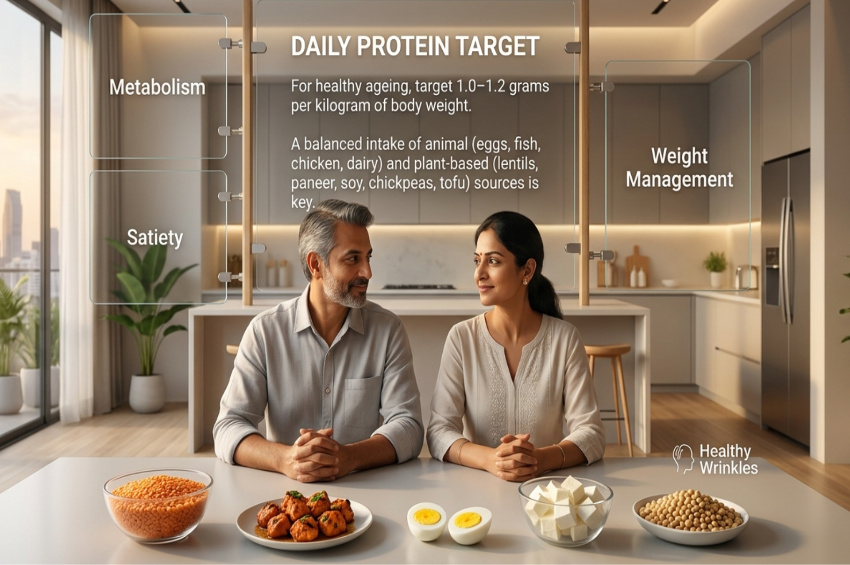
Most experts recommend that adults consume approximately: 1.0 – 1.2 grams of protein per kilogram of body weight per day
For example:
If a person weighs 70 kg, the recommended protein intake would be:
70 – 84 grams of protein per day. Protein intake below 1.0 gram per kilogram body weight may be insufficient for maintaining muscle health, especially in older adults.
Higher protein intake may be beneficial for people who are:
- Physically active
- Recovering from illness
- Undergoing rehabilitation
- Trying to maintain muscle mass in later life
Protein Sources in Everyday Diet
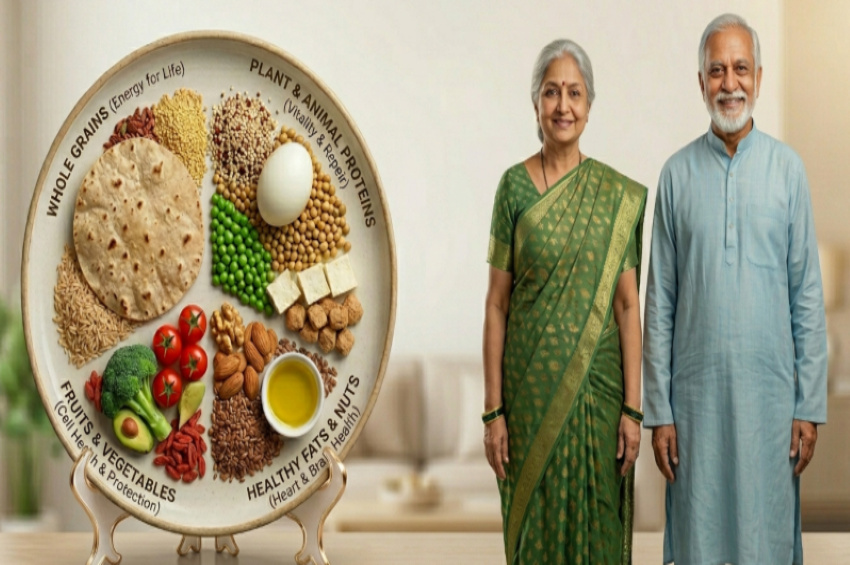
Protein can come from both animal and plant sources. Both types can contribute to a balanced diet.
Animal Protein Sources Examples include:
- Eggs
- Fish
- Chicken
- Dairy products such as milk and yogurt
Animal proteins generally contain all essential amino acids required by the body.
Plant Protein & Vegetarian Sources
Vegetarian diets can also provide good protein when planned carefully.Examples include:
- Pulses and lentils (dal)
- Chickpeas and beans
- Soy products
- Tofu
- Paneer
- Milk and dairy products
Combining different sources throughout the day helps ensure adequate amino acid intake.
This is particularly important in vegetarian diets common in India.
Protein and Muscle Health
Protein works together with physical activity to maintain muscle mass. Strength exercises and resistance training stimulate muscle growth. Protein provides the raw material needed to rebuild and strengthen muscle tissue. This is why nutrition experts often emphasize a combination of:
- Adequate protein intake
- Regular physical movement
Together, these help preserve mobility and independence during ageing.
Protein and Metabolic Health
Protein also plays an important role in metabolism. Adequate protein intake helps:
- Regulate blood sugar levels
- Support weight management
- Increase satiety (feeling of fullness)
- Stabilize energy levels
Balanced protein consumption may therefore support prevention of metabolic conditions such as diabetes and obesity.
The Challenge of Protein Deficiency in Indian Diets
Many traditional Indian meals focus heavily on carbohydrates such as:
- Rice
- Wheat
- Chapatis
- Potatoes
While these foods provide energy, they often contain limited protein. As a result, daily protein intake may remain lower than recommended. Increasing protein intake does not require radical dietary changes.
Simple adjustments can help.For example:
- Including dal or beans in every meal
- Adding yogurt or paneer to the diet
- Incorporating soy products or tofu
- Consuming nuts and seeds in moderation
These small changes can gradually improve protein intake.
Protein Intake Across the Day
Another important principle is distribution of protein intake.
Instead of consuming protein in only one meal, it is beneficial to include moderate amounts of protein in each meal of the day.
For example:
- Breakfast
- Lunch
- Dinner
This helps maintain stable energy levels and supports continuous muscle repair.
When Seniors Need Nutritional Support
Some seniors face challenges in maintaining proper nutrition. These may include:
- Reduced appetite
- Difficulty cooking meals
- Chronic illness
- Recovery from surgery
In such situations, supportive services can help maintain healthy nutrition habits.
Examples include:
- Trained caregivers assisting with meal preparation
- Home nursing support for patients recovering from illness
- Physiotherapy programs that improve appetite and metabolism through activity
Healthy Wrinkles works with trusted partners to help families access such services so seniors can maintain healthy routines and independence.
Protein as a Longevity Nutrient
Longevity research continues to highlight the importance of balanced nutrition. Among all nutrients, protein plays a central role in maintaining muscle strength, metabolic health, and resilience during ageing. Adequate protein intake supports mobility, energy, and overall wellbeing.
For those pursuing Shatayushi living, the message is simple. Ensure your diet contains enough protein every day. Because strong muscles support strong bodies—and strong bodies support long, healthy lives.
Author: Shrihari Shidhaye
Founder – Healthy Wrinkles | Secretary General – AISCCON
About the Author
Shrihari Shidhaye is the Founder of Healthy Wrinkles, a platform focused on trusted senior care services, and the Secretary General of AISCCON, a national federation representing senior citizens across India. With more than three decades of experience in healthcare and the pharmaceutical sector, he works actively in the areas of healthy ageing, longevity awareness, senior care systems, and advocacy for the elderly. Through the Shatayushi series, he aims to bring scientific thinking and practical guidance together in a simple and useful form.